 Gabriella
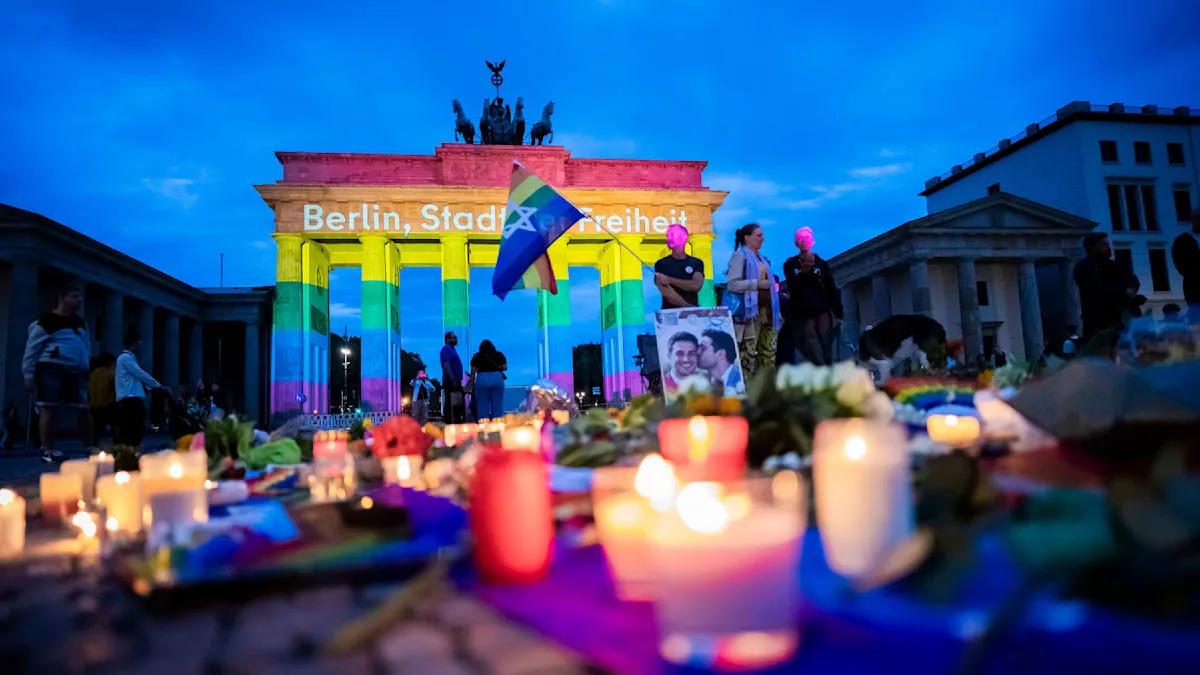
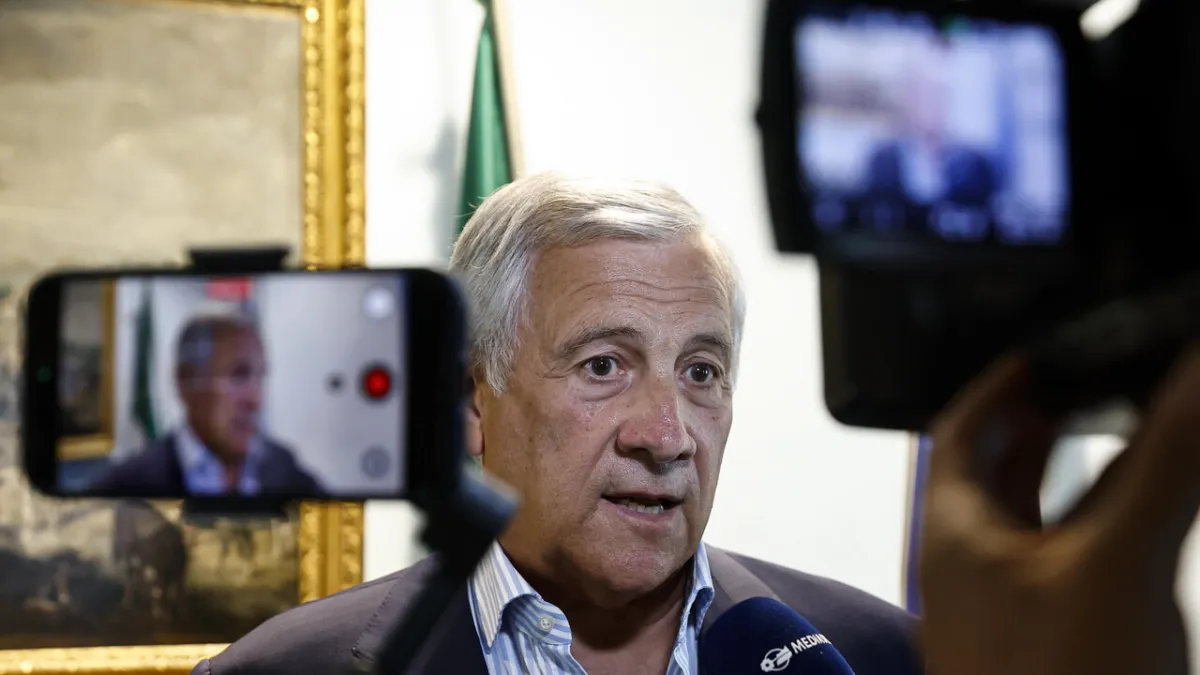
BERLIN — The handling of the aftermath of the Islamist attack on Berlin’s Christopher Street Day (CSD) celebration in 2026 is drawing sharp criticism. Hans-Jakob Schindler, a prominent terrorism expert, has openly stated that there were significant anomalies. One crucial point he criticized was the judiciary’s decision to release the suspected perpetrator from custody, a move he believes indicates systemic failure in safeguarding public security.
Schindler, with a long track record in analyzing global extremism threats, emphasized that the incident should not have occurred if the security and law enforcement systems had functioned optimally. “If an an attack is successfully carried out, something has gone wrong, by definition,” Schindler remarked, highlighting fundamental preventive failures.
The release of the suspected perpetrator, whose identity remains undisclosed by authorities, has become a major question amidst public concerns about the potential for repeat threats. This decision has sparked intense debate regarding the effectiveness of detention procedures and investigations into terrorism cases in Germany.
Schindler’s criticism aligns with growing calls from various parties. Previously, the German Police Union urged the removal of Islamist figures deemed potentially destabilizing. This event also reinforces the narrative that Germany may have failed to protect CSD 2026 from ISIS terrorists, as highlighted in several analyses.
These handling anomalies not only damage the image of law enforcement but also foster apprehension among the public, especially the LGBTQ+ community, who were targets of the attack. The CSD celebration, meant to be an arena for expressing freedom and diversity, was marred by acts of violence and the shadow of state failure to guarantee the safety of its citizens.
Schindler’s analysis points to a series of events indicating a lack of coordination or intelligence weaknesses. How an individual allegedly linked to an attack plan could be released, especially after a major incident like the CSD attack, remains a significant question for many observers.
The German government now faces pressure to provide transparent and accountable explanations. The discussion to stop downplaying Islamist threats after CSD 2026 is gaining momentum, pushing for reforms in counter-terrorism policy and the justice system.
This incident also rekindles discussions about the increasing danger posed by Islamist groups strengthening ahead of the German elections, an issue that has been a serious concern in previous years. The perpetrator’s connection to ISIS was also discussed, highlighting the fact that the Berlin CSD terror perpetrator had twice attempted to join ISIS, indicating a worrying record.
This situation compels authorities to re-evaluate their approach to individuals with a history of involvement or sympathy towards extremist organizations. Balancing human rights and national security presents a complex challenge that must be carefully addressed.
Experts like Schindler call for law enforcement and intelligence agencies to learn from these mistakes. Transparency and accountability are key to rebuilding public trust and preventing similar incidents in the future. German security, especially amidst large-scale public celebrations, must be a top priority with more adaptive and responsive prevention systems.