 Chris Robert
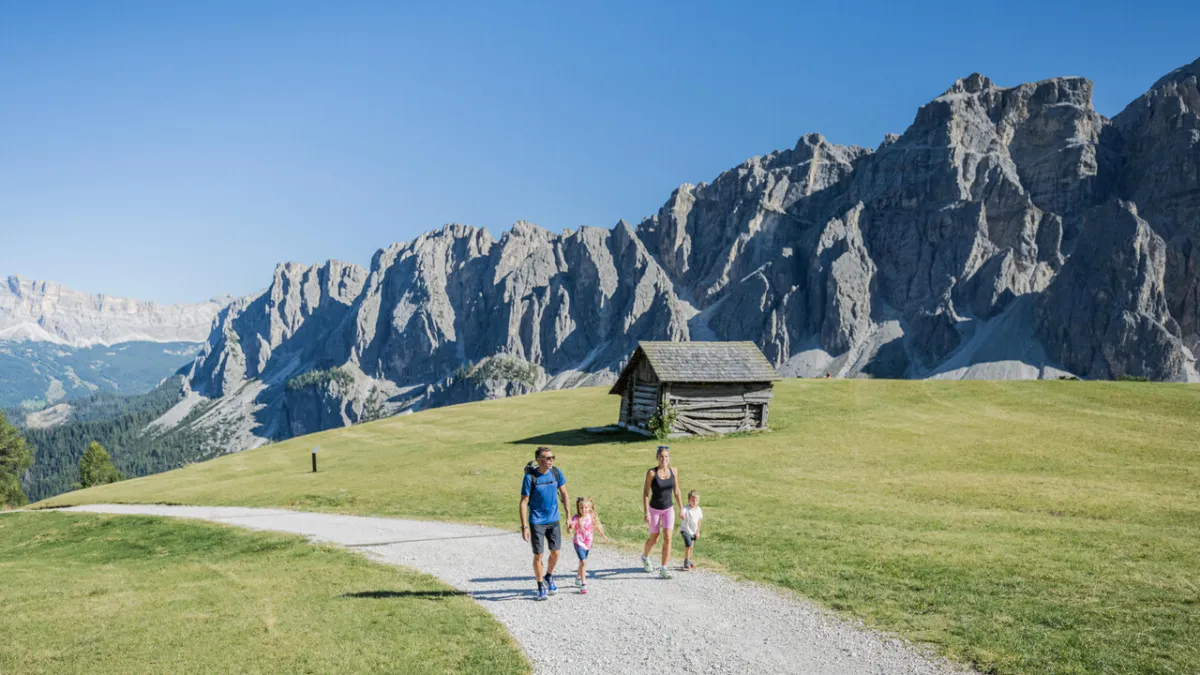
ROME – The extreme heatwave that struck Italy during the Ferragosto 2026 celebrations spurred a massive migration phenomenon, with approximately 1.6 million tourists flooding into mountainous regions. Latest data from Assoturismo indicates a significant increase in visitor numbers during the long holiday weekend, highlighting the strategic role of mountains as a getaway destination from scorching temperatures.
This phenomenon solidifies August as the most crucial month for the mountain tourism sector in Italy, a trend that has steadily strengthened in recent years. Many families and individuals seek the natural coolness of the highlands, avoiding the oppressive heat of coastal areas and major cities exposed to intense sun.
Assoturismo reported that this surge in visitors was not limited to domestic tourists. Several international tourists also opted for the mountains as an alternative, driven by Italy's reputation for natural beauty.
Mountainous regions such as the Dolomites, the Alps, and the Apennines became prime attractions. Hotels, lodges, and hiking trails were bustling, creating exceptional economic activity for local communities there.
This increased flow of tourists to the mountains during Ferragosto brought a breath of fresh air to businesses in the hospitality and related service sectors. They reported high occupancy rates, far exceeding expectations for the same period in previous years.
August has long been an important month for mountain tourism, but this year's heatwave truly pushed it to an unprecedented level, stated an Assoturismo representative. People are seeking an oasis of coolness, and the mountains offer the perfect solution.
The economic impact was profoundly felt across the entire tourism value chain. From local restaurants and souvenir shops to outdoor equipment providers, all experienced a substantial surge in revenue. This demonstrates the resilience of Italy's tourism sector in facing climatic challenges.
The Italian government and regional tourism authorities are now seriously considering long-term strategies to further develop the potential of mountain tourism. Infrastructure improvements and promotional efforts need to be intensified to attract more tourists sustainably, while also preserving natural environments.
Furthermore, this success also opens discussions on diversifying tourism offerings. Dependence on coastal tourism, which is vulnerable to climate change, makes alternative destinations like mountains increasingly relevant as a primary choice for travelers.
Similar phenomena have occurred in previous years, but the scale during Ferragosto 2026 shows a different intensity. Global weather pattern changes appear to have fundamentally altered public holiday preferences, shifting from beaches towards the highlands.
Nevertheless, challenges also arise with the increased number of visitors. This surge demands stricter environmental management, waste prevention, and the maintenance of mountain ecosystems to remain pristine amidst heightened human activity.
Further details from Assoturismo indicated that peak visits occurred on the Saturday and Sunday of the Ferragosto weekend, with an average stay ranging from 2-3 nights. Popular activities included hiking, mountain biking, and enjoying rich local cuisine.
This confirms that tourists are not only seeking coolness but also the authentic experiences offered by the Italian mountains. The blend of beautiful nature, rich local culture, and comfortable temperatures is an undeniable main attraction.
Editorial Insight: The extreme heatwave during Ferragosto 2026 is not merely a weather incident, but an accelerator of fundamental shifts in Italy's tourism preferences. The data of 1.6 million mountain visitors indicates untapped economic potential and urges the government to invest more deeply in infrastructure and sustainability. This phenomenon also serves as an early indicator of how global tourism will adapt to future climate challenges, demanding more dynamic strategies and diversification of destinations.