 Angel Doris
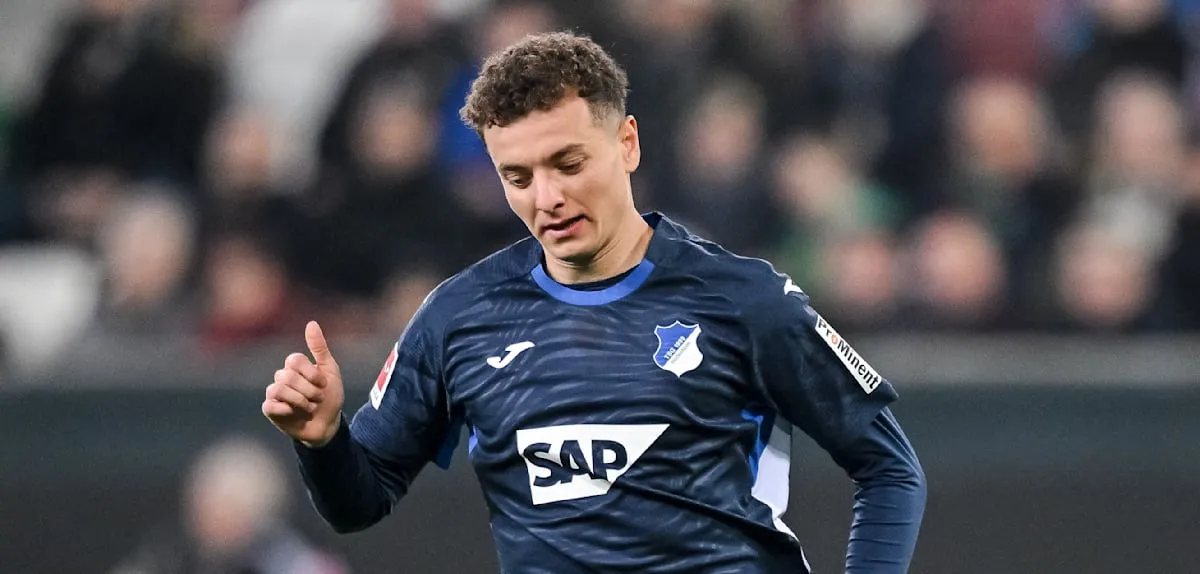
LEIPZIG – The 2026 Bundesliga transfer window has been rocked by a rare incident where a 25 million euro transfer deal between RB Leipzig and Hoffenheim suddenly collapsed. This surprising cancellation occurred at the last minute, just steps away from finalization, after the player's medical examination results raised serious concerns for the Leipzig camp. The incident sparks major questions regarding player health standards and financial implications for both clubs.
This massive deal, anticipated to be one of the largest transfers this season in Germany, had previously reached the final stages of negotiation. All parties, including the player's agent and club management, appeared to have reached a principled agreement, awaiting only the customary final formalities in professional football.
However, the euphoria surrounding the agreement crumbled after RB Leipzig's medical team submitted its report. Specific details regarding the medical findings were not disclosed publicly, but they were substantial enough to prompt Leipzig management to cancel the player's acquisition process. This decision demonstrates a high degree of caution from the club nicknamed Die Roten Bullen when making large investments.
RB Leipzig management emphasized the importance of a player's long-term health and fitness as a top priority. “An investment of 25 million euros requires full confidence in the player's physical condition. We cannot take risks that could potentially harm the club in the future,” stated an internal club source who requested anonymity.
On the other hand, the Hoffenheim camp expressed their bewilderment at the sudden decision. “We had conducted our internal medical evaluation and found no significant issues. Leipzig's decision is very regrettable and leaves us perplexed,” explained a Hoffenheim representative, indicating a difference in interpretation of the medical examination results.
For the player, this incident is undoubtedly a major blow. The dream of competing at a higher level with an ambitious club like RB Leipzig has unexpectedly been dashed. The future of their career is now uncertain, forcing them to review available options amidst this lack of clarity.
This transfer cancellation also carries significant financial implications for Hoffenheim. The fresh funds of 25 million euros, expected to flow into the club's coffers to strengthen the squad or balance the financial statements, have suddenly vanished. This may force Hoffenheim to seek alternative sales or adjust their transfer strategy in the remaining transfer window.
In the Bundesliga arena, such incidents, though rare, are not without precedent. The medical examination process serves as the final bastion determining the validity of a transfer, reaffirming that on-field performance must be supported by prime physical condition. It also serves as a reminder that not all deals that are close to completion will always succeed.
Fierce competition in the Bundesliga, coupled with ever-increasing physical demands in modern football, makes clubs increasingly selective in choosing players. An old injury or potential future health risk can be a more dominant decisive factor than mere technical ability on the field. This reflects German clubs' commitment to sustained team performance and their investments.
The incident could also affect the market perception of the player, even if medical details are not publicized. Other clubs may conduct more thorough examinations if they intend to recruit them, adding complexity to the search for a new club. The football transfer market is indeed full of unexpected dynamics. This story is similar to how unexpected incidents in the Bundesliga previously, such as “Magdeburg's Bitter Start: Fans Abandon Stadium After Tragic Debacle”, show the vulnerability in every aspect of this sport.
Editorial Insight: This failed transfer incident is not merely a financial loss, but also highlights the complexity and risks within the modern football transfer market. The credibility of the medical examination process is crucial, and this failure can impact the player's reputation as well as the clubs' future transfer strategies. It also serves as an important reminder that not every deal, no matter its value, will proceed smoothly to completion. Clubs must be more meticulous in risk assessment and have contingency plans to avoid greater losses. This event also serves as an alarm for clubs to always maintain transparency and professionalism, especially with sensitive financial issues in the sports world that often arise, as once highlighted in “UEFA DERAILLED BY FUND SCANDAL: FANTASTIC COMPENSATION FOR INFANTINO'S CLOSE STAFF SUSPECTED”