 Angela Stefani
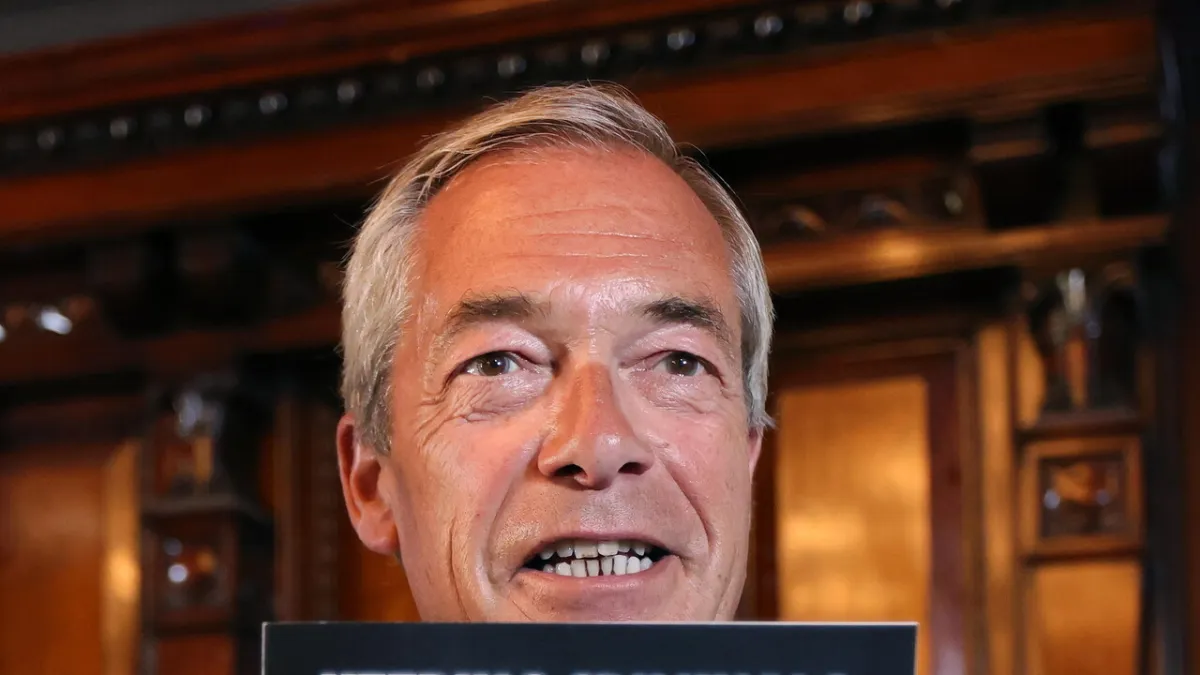
CLACTON – British right-wing leader Nigel Farage recently secured a sensational victory in the by-election in Clacton, England. With over 22,000 votes, Farage solidified his dominance over various political opponents, including the well-known satirical candidate, Count Binface, who garnered less than 10,000 votes. This event has shaken the political landscape of Great Britain, highlighting shifting public support dynamics ahead of upcoming general elections.
Farage's victory marks a significant return for one of the most controversial figures in British politics. Clacton, a constituency that has previously been a stronghold of Farage's support, once again demonstrated its loyalty to a figure who steadfastly champions an anti-establishment and pro-British sovereignty agenda.
The by-election campaign was marked by intrigue and humor, particularly with the participation of Count Binface. This satirical character, known for his witty manifesto and unique appearance, successfully garnered media attention but failed to threaten Farage's solid position among voters.
Political analysts believe that Farage's victory is more than just an ordinary by-election result. It is a strong signal of the anti-establishment sentiment still simmering within parts of British society. Farage's consistent message on immigration and sovereignty appears to resonate strongly with voters in the area.
The striking vote count also raises questions about the strategies of mainstream parties. Their failure to effectively counter Farage's appeal indicates a gap in their understanding of the aspirations of a segment of the electorate, particularly in traditional areas.
For the right-wing movement in Great Britain, this result is a significant morale boost. The victory in Clacton could act as a catalyst for consolidating power and devising a more aggressive strategy ahead of the national general election, which is expected to be highly competitive.
Farage himself stated in his speech that this victory is the beginning of a larger political revolution. He vowed to continue voicing the interests of British people who feel ignored by the political elite in Westminster. His sharp and direct rhetoric proved to be highly effective in garnering sympathy.
Farage's achievement also impacts the dynamics of Great Britain's relationship with the European Union post-Brexit. Although Brexit is a reality, issues related to sovereignty and border control remain hot topics continuously exploited by Farage and his allies.
Other candidates from major parties, not specifically mentioned in the initial data, are expected to undergo deep introspection. They need to re-evaluate their approach in dealing with populist figures who can so effectively capitalize on public disillusionment.
Farage's victory in Clacton in 2026 demonstrates that the appeal of populist politics, especially those rooted in nationalism and sovereignty issues, remains highly relevant and capable of shaking the existing political order. This is a warning to all parties not to underestimate the power of voices seeking radical change.
Editorial Insight: Nigel Farage's victory in Clacton is not just a political anecdote, but a crucial indicator of shifting sentiments in Great Britain. His dominance over a satirical candidate reflects that while there is room for humor in politics, the substantive issues Farage champions, particularly concerning sovereignty and national identity, hold deep appeal. This result will most likely provide significant momentum for the right-wing movement and could influence the direction of British domestic and international policy in the medium term, sparking further debate about the future of traditional political parties.