 Robert Andrison
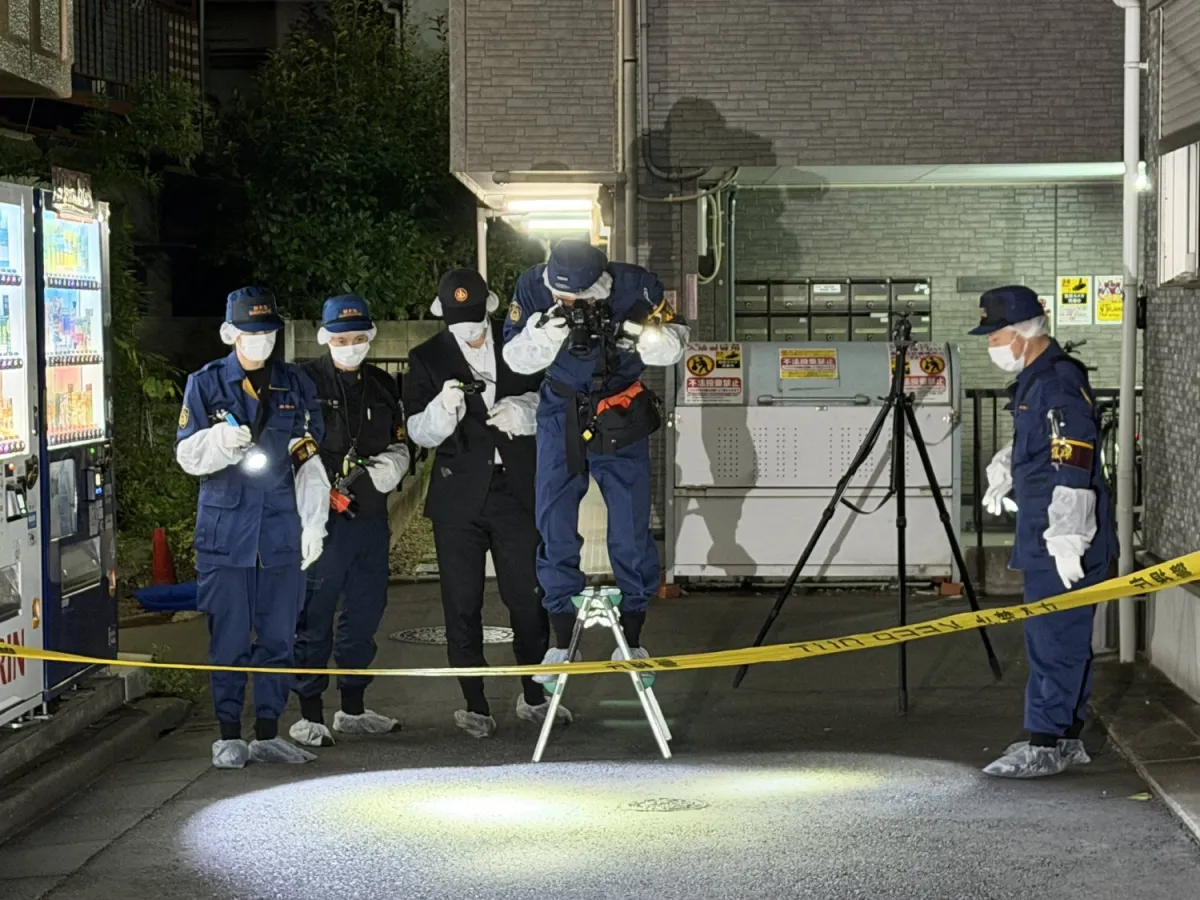
TOKYO – Police in Tokyo recently apprehended Kazunori Kiyotake on suspicion of murdering a woman. The arrest followed a fatal stabbing incident that has shocked the public. Kiyotake, who investigators believe harbored unrequited feelings for the victim, reportedly confessed to planning the heinous act if his romantic overtures were rejected.
The tragic event came to light after the woman's body was discovered with severe stab wounds at a location in Tokyo. Initial investigations indicate that the motive behind this crime was an unfulfilled romantic obsession. Kiyotake informed authorities that he had considered killing the victim and then himself if his request for a relationship was not accepted.
This case highlights the complexities and dangers of obsession escalating into extreme acts of violence. Psychologists and sociologists often identify this pattern as part of a spectrum of behaviors that can lead to horrific tragedies, especially when individuals fail to manage emotions associated with rejection.
Police moved swiftly after the report was received, gathering evidence at the scene and tracing the perpetrator's movements. Kazunori Kiyotake's arrest was the result of intense investigations, including witness testimonies and forensic evidence.
The Japanese public, which generally experiences a relatively low rate of violent crime, has been stunned by the details of this case. Incidents such as this raise concerns about the phenomenon of 'one-sided love' culminating in criminality.
Rejection is a natural part of human relationships, yet extreme responses like Kiyotake's constitute a serious violation of law and human values. This case serves as an important reminder for all parties regarding the importance of mental health and proper emotional management.
Legal proceedings against Kiyotake are currently underway. Investigators continue to delve into the suspect's statements and collect additional evidence to strengthen the indictment. The court is expected to deliver justice for the victim and her family.
This tragedy also sparks a broader discussion concerning the prevention of obsession-based violence. The necessity for education on personal boundaries and early warning signs of risky behavior becomes crucial.
Government and non-governmental organizations are urged to enhance support programs for individuals who might exhibit signs of unhealthy obsession or difficulty coping with rejection. A proactive approach could help prevent similar incidents in the future.
Editorial Insight: The Tokyo murder case is not merely an ordinary crime; it is a dark reflection of uncontrolled obsession allowed to fester into violence. It demonstrates that beneath the surface of an orderly society, the potential for extreme emotional conflict persists. The handling of this case will set an important precedent in law enforcement against crimes driven by deep psychological motives in Japan, while also demanding serious attention to the public's mental health.