 Angela Stefani
ANDORA – The coastal city of Andora, Italy, has become a cultural magnet during the Ferragosto 2026 celebrations. A spectacular art exhibition has opened, specifically highlighting the representation of women in art from the 16th to the 20th century. This curatorial initiative presents a rare blend of works by the master documentary photographer, Dorothea Lange, and the revolutionary textile artist, Franca Sonnino, alongside numerous other pieces that record the evolution of women's roles and images in art history.
The exhibition, initiated by local cultural authorities, aims to celebrate artistic power and the changing visual narratives surrounding women. Visitors are invited to embark on a profound visual journey, discovering how artists over five centuries have depicted the identity, struggles, and contributions of women.
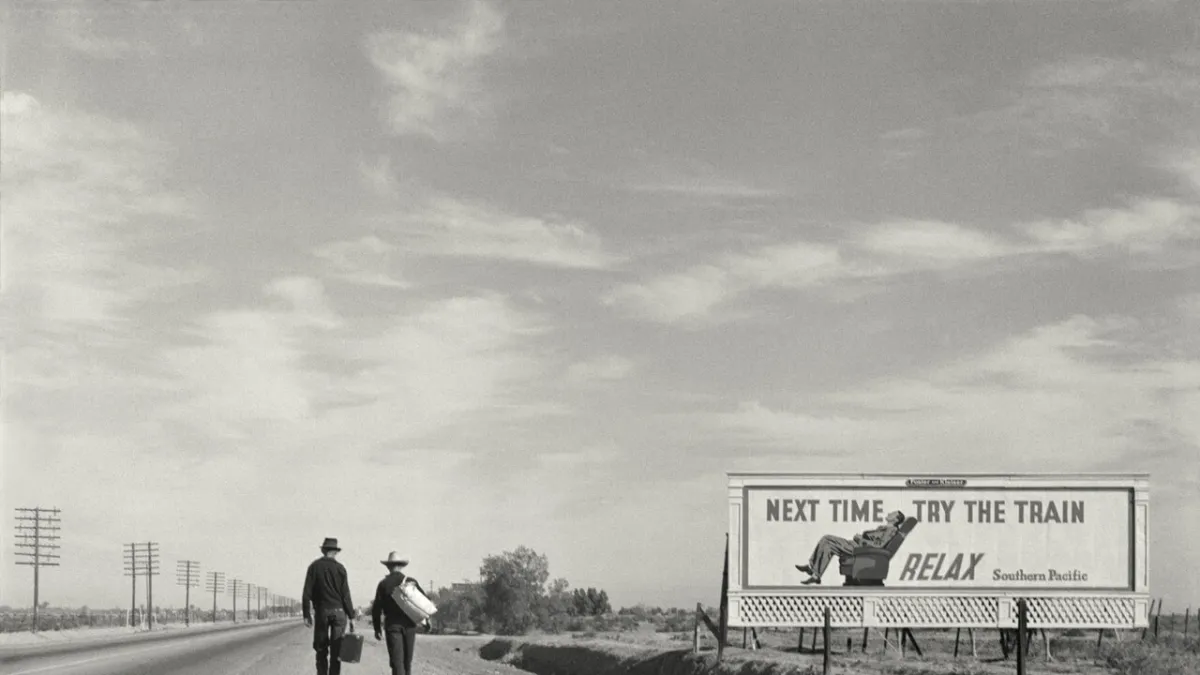
Dorothea Lange, an American photographer renowned for her work during the Great Depression, contributes an unparalleled humanist perspective. Her iconic photographs, rich in empathy and realism, capture the essence of women's resilience amidst hardship, adding a powerful dimension to the exhibition's narrative of courage and dignity.
Meanwhile, Franca Sonnino, an Italian artist known for her innovations in contemporary textile art, brings a different nuance. Her work reflects a modern sensibility towards form, color, and material, reinterpreting the representation of women through a medium often considered 'traditional' but which she elevates into an avant-garde artistic expression.
This exhibition not only features these two prominent names but also explores works by anonymous and lesser-known artists from various eras. This allows the audience to witness a broad spectrum of female representation, from Renaissance noble portraits to depictions of factory workers in the early 20th century.
The exhibition curators explained that the primary goal is to provoke dialogue about women's roles in society and how art has been both a mirror and a shaper of these views. 'We want to show that the image of women in art is not static, but dynamic, evolving with changing times and artists' perspectives,' she stated at the opening press conference.
Public enthusiasm for the exhibition is very high, especially as it coincides with the Ferragosto holiday, a national festival typically celebrated with various cultural events. The exhibition is expected to be a major attraction for tourists and locals seeking to enrich their holiday with an illuminating and meaningful experience.
The presence of such a women-centric art exhibition marks a progressive step in the Italian art scene. It aligns with global efforts to re-examine the art canon, which has historically been dominated by masculine narratives, giving wider space to women's voices and visions.
This exhibition also serves as a reminder that art has the power to document social and cultural history. Through every brushstroke, camera click, or woven thread, we can gain a deeper understanding of women's journey in society.
This cultural event in Andora adds to the long list of vibrant Ferragosto 2026 celebrations across Italy. Various cities are also hosting festivals, performances, and exhibitions, making August a month rich in artistic and cultural expression. In this regard, also find out how Italian theater stars enliven the national Ferragosto 2026 celebration.
Overall, this exhibition in Andora is not merely an aesthetic appreciation event, but a powerful statement about the historical relevance and future of female representation in the art world. It is an invitation to reflect, learn, and celebrate the invaluable legacy carved by women.
Editorial Insight: Exhibitions of this nature are crucial in shaping public awareness regarding women's roles in history and art. Its emphasis on cross-century representation demonstrates a complex narrative evolution, moving beyond superficial portrayals. Andora's initiative has the potential to become a model for other cultural institutions to reconstruct and enrich our collective understanding of art history from a more inclusive and representative perspective.