 Edward DP Situmorang
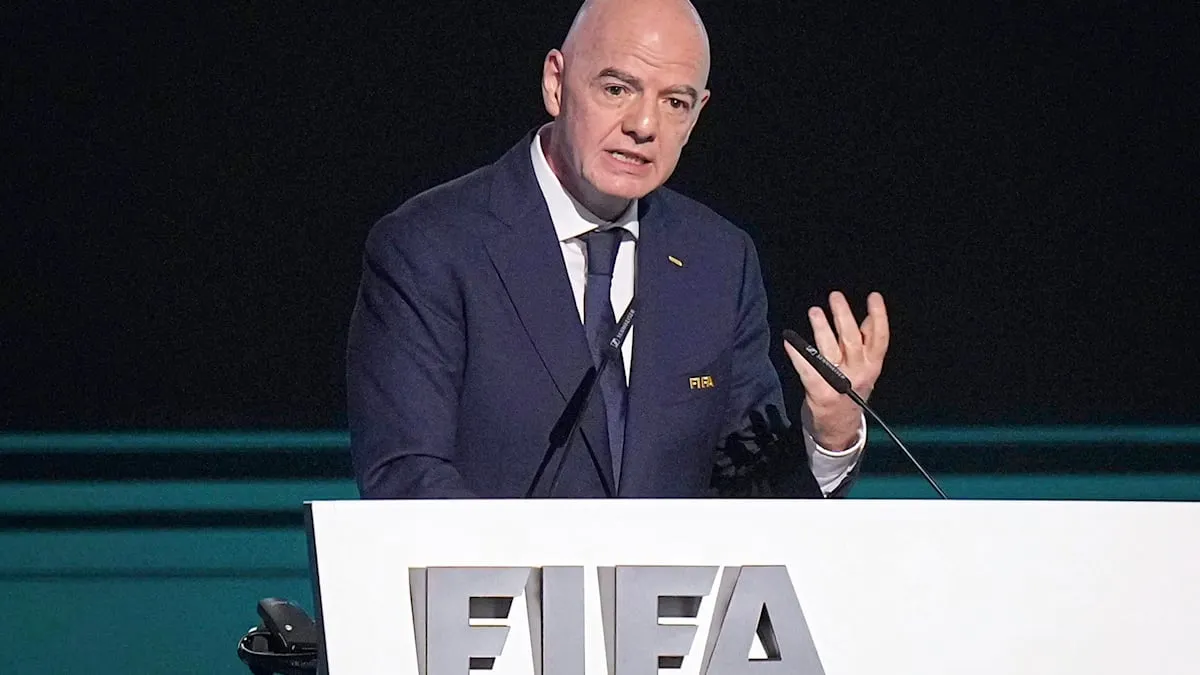
ZURICH – The International Federation of Association Football (FIFA) in 2026 has unequivocally declared its full support for President Gianni Infantino, addressing persistent criticism against his leadership. The world’s highest football governing body announced its intention to take serious legal action against parties spreading false allegations, marking an escalation in global sports governance tensions. This move comes amidst public and football stakeholders’ demands for transparency and accountability.
FIFA’s statement of support follows various media reports and internal voices highlighting decisions and policies Infantino has implemented since taking office. Criticism often revolves around financial management aspects, decision-making processes, and a leadership style perceived as centralized. However, for FIFA, these criticisms represent a systematic attempt to damage the reputation of a leader who has brought significant reforms.
While FIFA strengthens its ranks, the Union of European Football Associations (UEFA), on the other hand, is not standing idly by. The European football governing body is intensifying an internal investigation into several payments and personnel decisions made during Infantino’s tenure as FIFA president. UEFA’s investigation could have broad implications, considering Infantino previously held significant positions within UEFA before transitioning to FIFA’s leadership.
Since his election as FIFA President in 2016, Gianni Infantino has faced various challenges, from efforts to restore FIFA’s image after major corruption scandals to the implementation of ambitious projects such as a new World Cup format and the expansion of club competitions. Every step he has taken has always been under sharp scrutiny, both from the media and member federations.
The tension between FIFA defending its president and UEFA conducting an investigation has the potential to create significant upheaval in the relationship between global football governing bodies. Such a conflict could affect cooperation in the international match calendar, player transfer regulations, and joint efforts to address integrity issues in the sport.
A FIFA spokesperson affirmed that the federation is fully committed to integrity and transparency. "We will defend the reputation of President Infantino and the institution of FIFA from all forms of slander and destabilization attempts," said the spokesperson in a written statement. They emphasized that all allegations must be based on strong facts, not speculation or hidden motives.
At its headquarters in Nyon, Switzerland, UEFA’s investigative team is reportedly working diligently to collect data and evidence. Internal sources indicate that the primary focus is on specific financial transactions and the appointment of key individuals who may have conflicts of interest. UEFA has not yet provided official comments on the details of this investigation but has confirmed that the process is underway according to established procedures.
The wave of criticism against Infantino is not new. Various parties have repeatedly questioned FIFA’s transparency and accountability under his leadership, especially regarding fund management and crucial decision-making that appears to involve the executive council less collectively. These issues now find a new stage with FIFA’s strong response and UEFA’s actions.
If UEFA’s investigation uncovers strong incriminating evidence, Infantino’s leadership future could be in jeopardy. Conversely, if the allegations prove unfounded, this will further solidify his position and deliver a counterblow to critics. This situation demonstrates the crucial importance of leadership integrity in maintaining public trust in football institutions.
The football world now closely awaits the further developments of this governance drama. How FIFA and UEFA will navigate this turbulence will set a significant precedent for the future of sports leadership on a global scale. The big question that arises is, who will win this battle of narratives, and what will be its impact on millions of football fans worldwide.
Editorial Insight: The tension between FIFA and UEFA regarding Gianni Infantino’s leadership reflects a perennial struggle between centralized power and demands for decentralization and accountability. FIFA's firm support for Infantino, coupled with legal threats, indicates an aggressive defensive strategy. Meanwhile, UEFA’s investigation signals that internal control mechanisms are still functional, albeit separate from FIFA. The outcome of this inquiry will not only determine Infantino’s fate but also reshape the power dynamics among football's governing bodies and the standards of governance expected from them in the future. This is an integrity test the world will be watching.