 Chandra Wijayanto
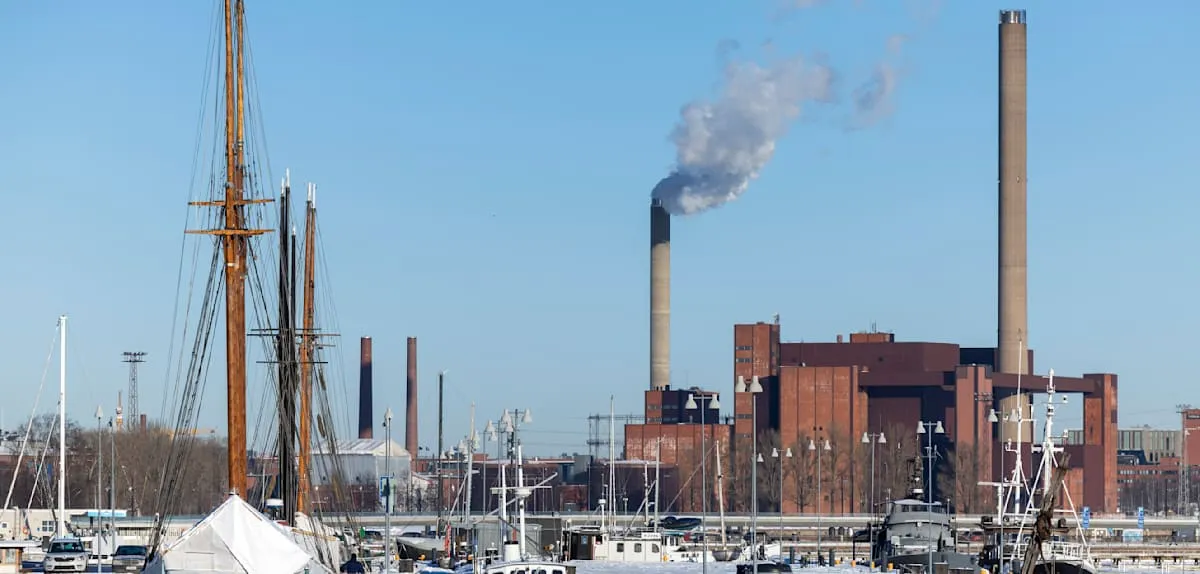
HELSINKI – Finland is once again charting a radical innovation in the global energy landscape. The Nordic nation is constructing a prototype nuclear heating reactor in the heart of Helsinki, a move that could potentially halve household heating costs. This ambitious initiative, strategically located just two kilometers from the Finnish Parliament building, is attracting widespread attention from various countries seeking sustainable and affordable energy solutions amidst the climate crisis.
The pioneering project in Helsinki is not merely a conventional power plant. This small-scale nuclear reactor is specifically designed to meet district heating needs, supplying hot water to urban networks without generating massive amounts of electricity. This concept leverages modified Small Modular Reactor (SMR) technology, claiming significantly higher safety and operational efficiency compared to previous generation reactors.
The development of this nuclear heating technology has become a major focus in Europe, especially due to its impact on energy prices. With the potential to slash heating prices by up to 50 percent, this Finland project offers new hope for millions of citizens burdened by high energy costs, a critical issue in many European countries today.
Finland's audacity in implementing this project also opens an intriguing discussion in countries that have phased out nuclear energy, such as Germany. Although Germany has officially closed all its nuclear power plants, existing regulations surprisingly permit the operation of such nuclear heating facilities. This regulatory flexibility provides an opening for Germany to consider similar technology as part of its energy strategy.
Interest in Finland's innovation is not limited to Germany. Several other nations are also reportedly showing deep interest in this technology, viewing it as a shortcut to energy independence and carbon emission reduction. The concept of this heating reactor offers a more compact and modular solution, allowing faster implementation and more flexible siting compared to conventional nuclear power plants that require vast land.
Another advantage of this nuclear heating system is its extremely low carbon footprint. In the global effort to combat climate change, energy sources that do not produce greenhouse gas emissions are a priority. This project aligns with Finland's goal to achieve carbon neutrality and provides a concrete example of how nuclear energy can play a vital role in the clean energy transition.
Despite its significant potential benefits, challenges undoubtedly remain. Public perception of nuclear energy, radioactive waste management, and stringent safety standards are aspects that must continue to be managed transparently. However, Finland has a long history in nuclear safety and is committed to ensuring the highest standards in the construction and operation of this new facility.
If this prototype proves successful and economically viable, Helsinki could become a model for other cities worldwide. This nuclear heating reactor technology could be exported, making a significant contribution to the diversification of global energy sources and reducing reliance on volatile fossil fuels.
This development also highlights a paradigm shift in nuclear energy utilization. From an exclusive focus on large-scale electricity generation, it is now moving towards more decentralized and specific applications, such as district heating. This demonstrates an evolution in how atomic energy can be integrated into modern urban infrastructure.
Editorial Insight: Finland's initiative with the nuclear heating reactor in Helsinki represents a bold step, pushing the boundaries of clean energy solutions in 2026. The success of this project will not only transform Finland's energy landscape but could also trigger a re-evaluation of nuclear energy policies across Europe and globally, especially within the context of energy crises and climate ambitions. The potential to halve heating prices could be a revolutionary appeal for a global economy striving to curb inflation and living costs.