 Demian Sahputra
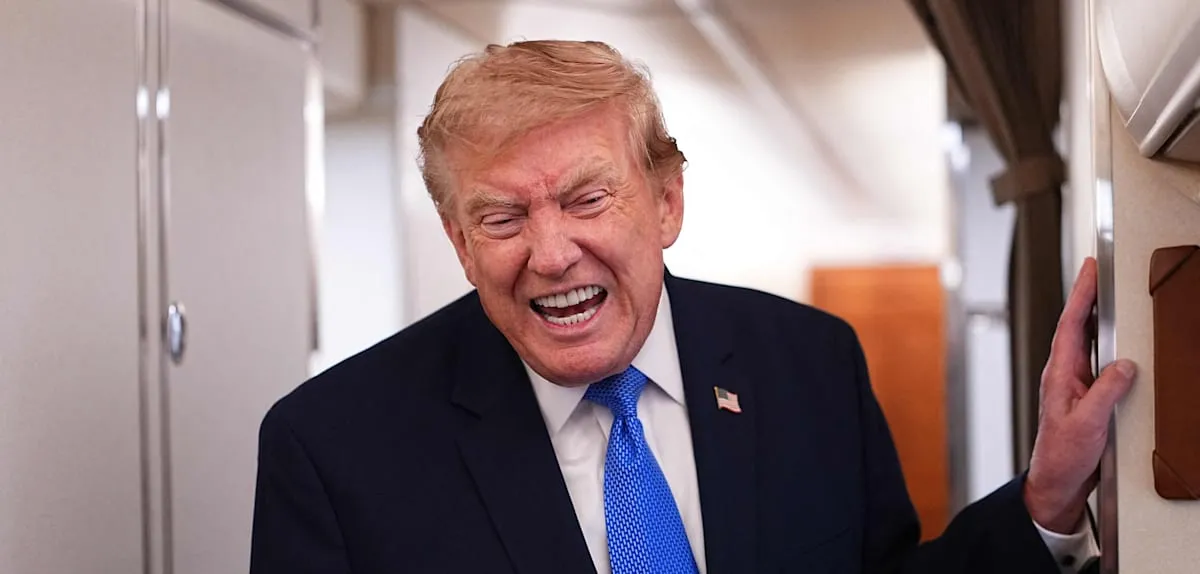
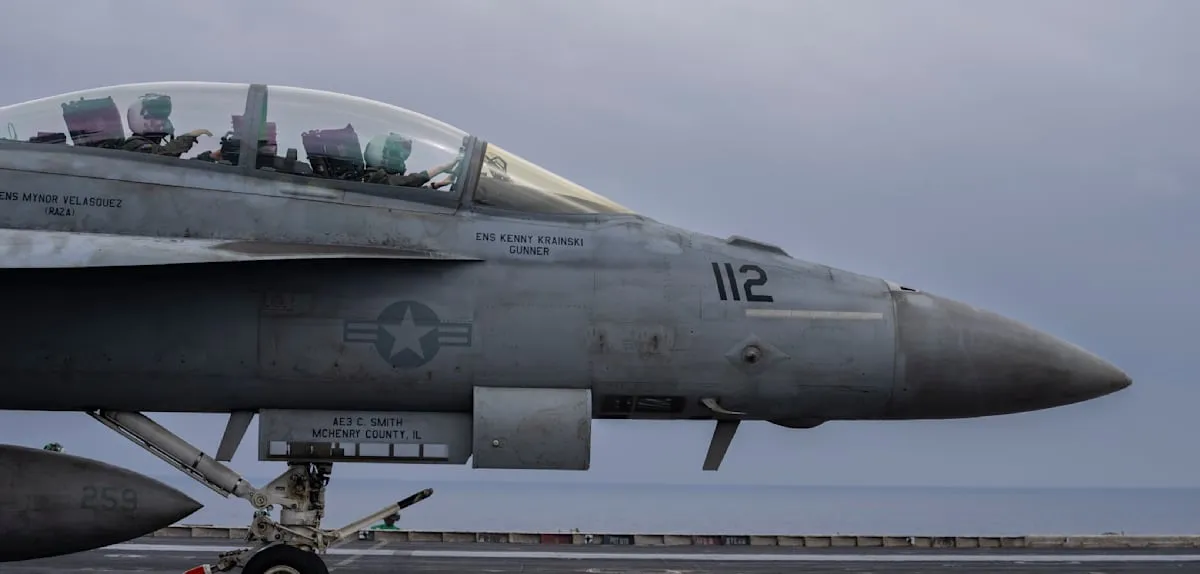
WASHINGTON – US President Donald Trump has taken a surprising step by announcing the suspension of a wave of military attacks against Iran. This decision, announced in 2026, is based on significant diplomatic progress claimed to have reached the outlines of an agreement between the two nations. However, the suspension is not unconditional; President Trump asserted that a full agreement must be reached swiftly to avoid further escalation.
This progressive move marks a potential turning point in the often-tense US-Iran relations. The threat of military confrontation that previously loomed over the Gulf region has temporarily receded, opening a window of hope for conflict resolution through negotiation. The announcement immediately drew global attention, sparking various speculations about the future of diplomacy in the Middle East.
Details regarding the outlines of the agreement remain vague, but the White House statement indicates that intensive discussions have yielded initial results substantial enough for national security advisors to recommend delaying military aggression. The negotiation process appears to involve several mediators and closed forums, moving away from the confrontational rhetoric that often dominates the public stage.
The geopolitical conditions in the Gulf region, particularly in the Strait of Hormuz, often serve as a barometer of tension between Washington and Tehran. This suspension of attacks is expected to reduce the risk of maritime or aerial incidents that could at any time trigger a larger-scale conflict. This is a much-anticipated development after a long period of instability. For readers seeking deeper context, the article "Trump Tunda Serangan Iran: Jalur Damai Hormuz Terbuka Lebar?" provides relevant analysis.
International political observers view President Trump's decision as a bold negotiation strategy, combining military pressure with a diplomatic overture. This approach seeks to compel Iran to engage more seriously in talks, while also demonstrating US flexibility on the global stage. The credibility of diplomacy is now at stake to prove its effectiveness.
Tehran's official response has not yet been publicized, but diplomatic circles indicate room for cautious optimism. Iran itself faces significant economic pressure from international sanctions, so the prospect of an agreement that could ease that burden is certainly a major consideration. Regional stability is also a shared interest, though often difficult to achieve.
Many hope this suspension is not merely a temporary tactic but a foundation for a long-term peace architecture. The greatest challenge lies in the speed and substance of the final agreement. Washington demands a swift response from Tehran, indicating that this window of opportunity could close at any time if progress does not meet expectations.
US allies in Europe and the Middle East welcomed the news with hope. Germany, France, and the United Kingdom, who previously advocated for de-escalation, are likely to play a facilitating role in maintaining this diplomatic momentum. They have crucial interests in regional stability and the smooth flow of global energy supplies.
The Israeli Prime Minister, who always closely monitors developments concerning Iran, is expected to issue an official statement soon after analyzing the security implications of this US move. Israel's security is a vital factor in any negotiations related to Iran's nuclear program and regional ambitions.
This decision to suspend attacks also sparked debate within the US. Critics of Trump's foreign policy may question the long-term effectiveness of this approach, while supporters will praise the President's ability to simultaneously leverage power and diplomacy. Public opinion remains divided on this sensitive issue.
The future of US-Iran relations now stands at a crossroads. Will this be the beginning of a new era of dialogue and peace, or merely a brief pause before a larger confrontation? The world watches with bated breath, hoping diplomacy can carve out new history in one of the world's most volatile regions.