 Dorry Archiles
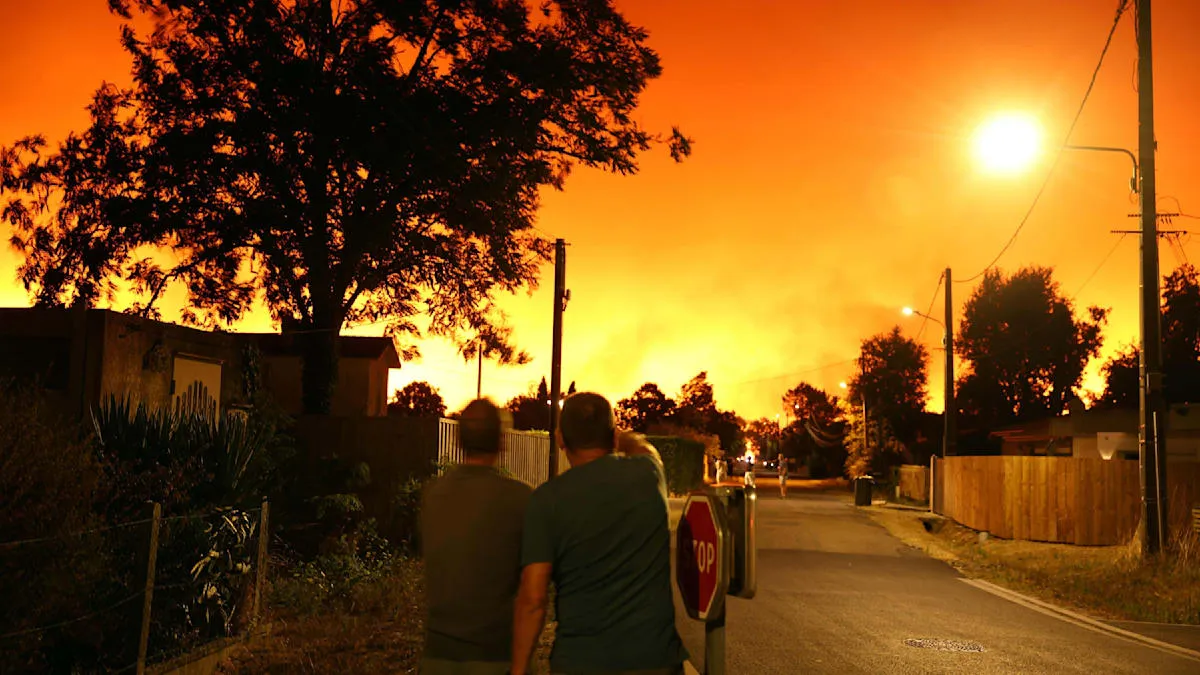
Atlantic Coast of France — Devastating wildfires have swept across France's Atlantic coast, triggering the evacuation of thousands of tourists from campsites and beaches in the summer of 2026. Hundreds of firefighters are battling fiercely to contain the blazes consuming vast forest areas, raising serious concerns about environmental impact and the tourism economy.
This incident unfolds amidst a scorching summer, exacerbating dry conditions already prone to fire disasters. Fire spots spread rapidly, fueled by strong winds and parched vegetation, burning uncontrollably.
Gironde and Landes, two departments within the Nouvelle-Aquitaine region, bear the brunt of the impact. Local authorities promptly issued urgent evacuation orders for residents and tourists in vulnerable areas, including several popular beach resorts.
Thousands of travelers enjoying their summer holidays were forced to abandon their accommodations abruptly, creating scenes of long vehicle queues and minor panic. They were directed to temporary shelters prepared by the regional government.
Firefighting operations involve hundreds of firefighters from various regions, supported by water-bombing aircraft and helicopters. Intensive efforts are focused on isolating the fires and preventing them from spreading to densely populated residential areas and vital facilities.
The French government, through a statement from the Ministry of Interior's spokesperson in mid-2026, expressed deep concern over the escalating disaster. They pledged to deploy all available national resources to bring the situation under control and restore conditions.
The economic repercussions of these fires are projected to be significant, particularly for the tourism sector, which forms a backbone of France's regional economy. Accommodation booking cancellations and property losses pose a tangible threat to the sustainability of local businesses.
Environmental experts are once again highlighting the urgency of climate change mitigation, which is believed to intensify the frequency and severity of wildfires across Europe. Recurring extreme heatwaves are identified as a primary catalyst for these vulnerable conditions.
Amidst the chaos, community solidarity is evident. Local residents actively assist with evacuations and provide essential logistical support to evacuees and firefighters who are tirelessly working.
Authorities continue to monitor weather conditions, including erratic wind direction and temperature, to anticipate any further spread of the fires. The public is urged to remain vigilant and comply with evacuation instructions for collective safety and operational effectiveness.
This event serves as a stark reminder of ecosystem fragility and the importance of preparedness in the face of increasingly frequent natural disasters, demanding stronger adaptation and environmental policies in the future.