 Angela Stefani
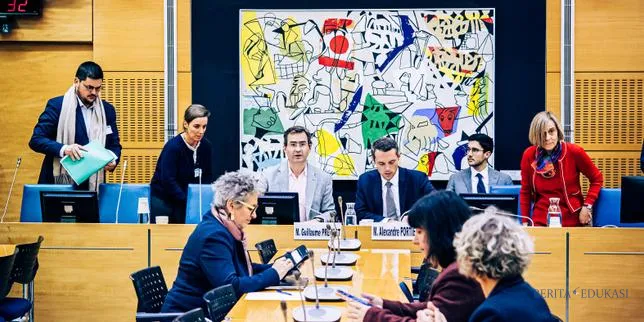
Paris, France – Political tensions are escalating in France following widespread blockades of a dozen high schools (lycees) in the Paris suburbs late last week. This situation has triggered a fierce exchange of accusations between the government and the opposition, with Minister of the Armed Forces Sebastien Lecornu accusing the La France Insoumise (LFI) party of irresponsible overbidding, while LFI leader Jean-Luc Melenchon condemned the government's actions as repression.
The blockade actions, which began on Friday, have spread to several educational institutions in the Parisian suburban area. According to M. Geffray, who spoke to RMC on Monday, approximately ten lycees are now reported to be blocked, disrupting the learning activities of thousands of students.
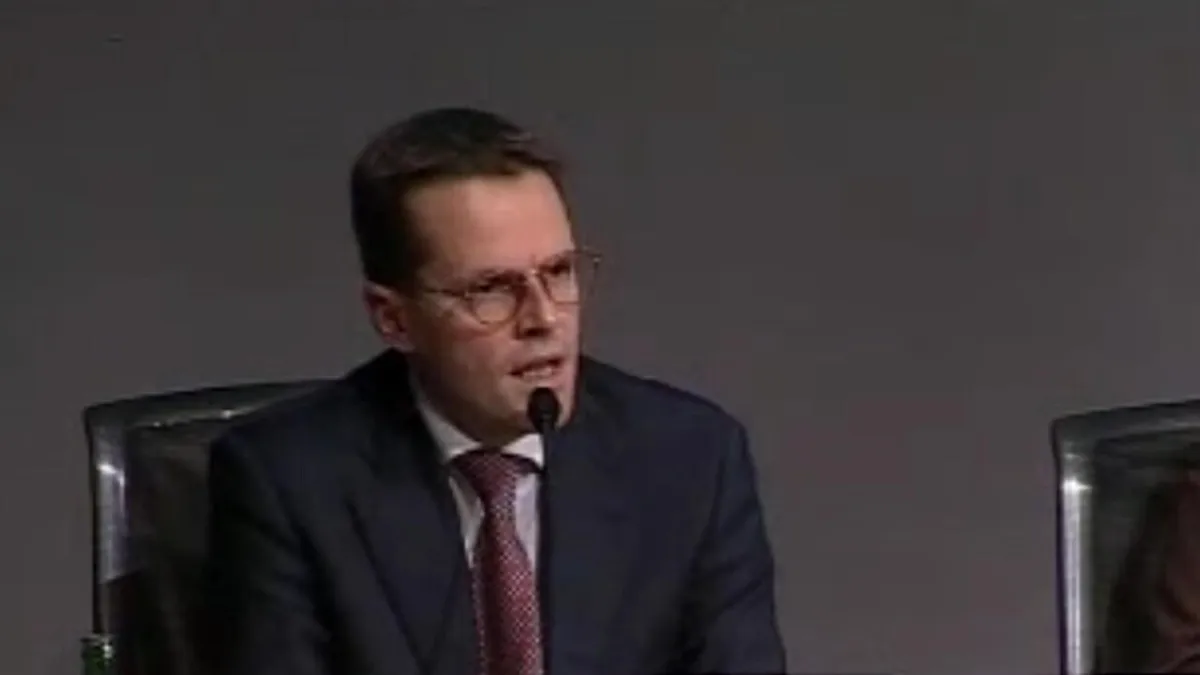
Sebastien Lecornu, representing the government, openly accused LFI of being the mastermind behind this widespread disruption. He believes LFI deliberately incited chaos with rhetoric and actions that crossed reasonable boundaries, especially in the context of issues causing unrest among students and the public. Lecornu's statement reaffirms the executive's view that the main opposition is attempting to exploit the situation for political gain.
However, these accusations were swiftly met with a strong rebuttal from Jean-Luc Melenchon. The charismatic LFI leader rejected all charges and, in turn, attacked the government. Melenchon stated that the blockade actions are a natural response to government policies he described as oppressive and indifferent to the aspirations of the people, especially the youth. He used the phrase government repression to characterize the cabinet's handling of the situation.
This rising tension is more than just an ordinary political debate. It reflects the increasingly deep polarization in the French political landscape of 2026, where social and educational issues often become primary battlegrounds between the government and the opposition. Student actions frequently serve as a barometer of public dissatisfaction with certain policies.
Political observers note that LFI, as a left-wing opposition party, indeed possesses strong support among students and young activists. Therefore, Lecornu's accusation that LFI provoked these actions, although denied, will always be a relevant narrative in the context of French politics.
On the other hand, Melenchon's response accusing government repression is also not without basis. French history shows that governments often use force to disperse demonstrations, including those involving students, which subsequently draws criticism from human rights groups and the opposition.
The blockade of lycees has significant impacts. Thousands of students are forced to miss classes, parents are anxious, and school operations are hampered. Educational authorities now face major challenges to restore normal conditions in the affected schools.
There is no clarity yet regarding the specific demands of the students blocking the schools. However, typically, such actions are motivated by various issues ranging from educational reforms, school facility conditions, to broader social and economic concerns.
This situation in Paris is expected to remain a national focal point. How President Emmanuel Macron's government and the LFI opposition navigate this crisis will determine France's future political and social stability. Both sides appear steadfast in their respective positions, making dialogue and compromise a difficult path.
Dissatisfaction with government policies, particularly in the education sector, has repeatedly sparked mass protests in France. These lycee blockades are not the first, and likely not the last, indicating a deep misalignment between the aspirations of some segments of society and the policy direction taken by the government.
Editorial Insight: The escalating tensions between the government and opposition concerning the lycee blockades demonstrate that France is facing serious challenges in maintaining social harmony. The government's accusation of irresponsible overbidding and the opposition's counter-charge of repression create a counterproductive cycle of blame. The government needs to address the root causes of student dissatisfaction, while the opposition must ensure aspirations are communicated through constructive means that do not infringe upon the right to education of other students. Effective dialogue is absolutely necessary to prevent this crisis from spreading and damaging the future of French education.