 Chandra Wijayanto
FRANKFURT – The city of Frankfurt am Main has been rocked by tragic news with an increase in malaria fatalities. A third patient reportedly died in 2026, sparking deep concern among health authorities. Prominent virologist Jonas Schmidt-Chanasit explicitly stated that this series of deaths is closely linked to a dangerously delayed diagnosis.
This tragic incident highlights the vulnerability of healthcare systems to diseases not considered endemic in Central Europe. The consecutive deaths raise crucial questions regarding the identification protocols and handling of malaria cases that might go undetected initially.
Schmidt-Chanasit, in his statement, emphasized that malaria, though rare in Germany, can be fatal if not identified and treated promptly. 'This accumulation of death cases is certainly unusual,' he remarked, referring to the three incidents that occurred within a short period.
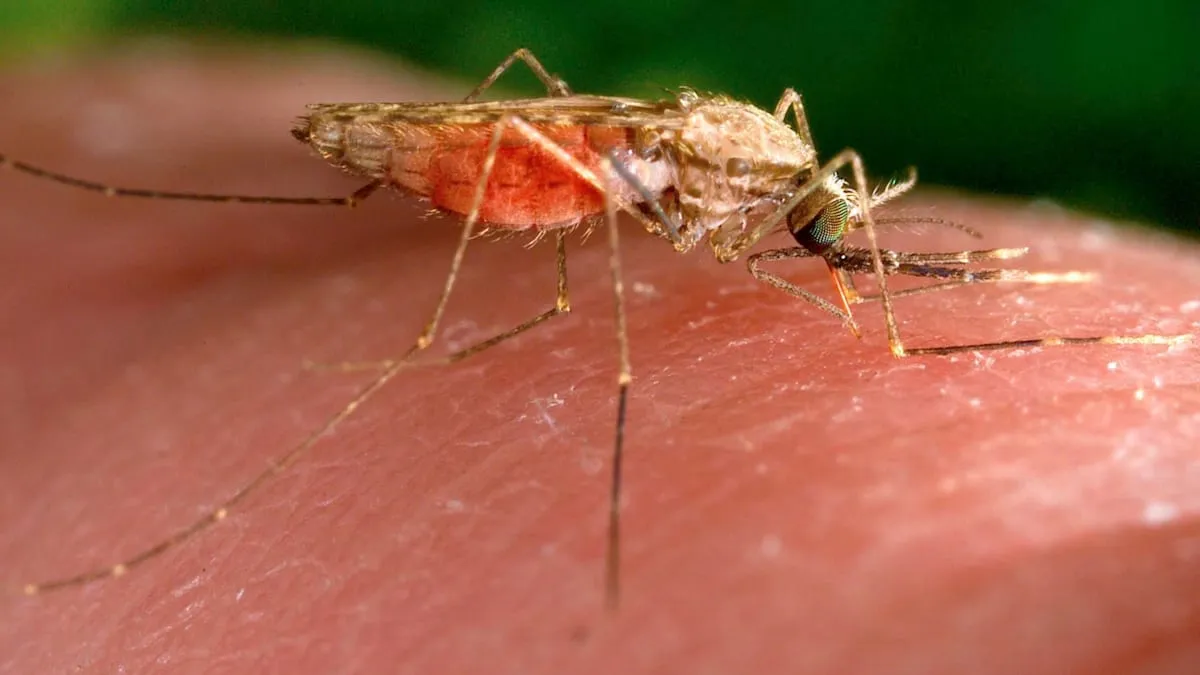
Malaria is typically transmitted through the bite of Anopheles mosquitoes infected with Plasmodium parasites. In Germany, most cases are 'imported malaria,' meaning they occur in individuals recently returned from endemic areas. This suggests that the three victims most likely contracted the infection abroad.
However, the delayed diagnosis domestically proved to be a critical factor. Early symptoms of malaria often resemble common flu, such as fever, chills, headache, and nausea. Without a clear travel history or awareness of the risk, doctors may not immediately suspect malaria, leading to the fatal outcomes for the three patients.
The virologist also urged medical practitioners to be more vigilant with patients exhibiting high fever symptoms, especially if they have a history of travel to high-risk regions. 'Every minute is valuable in the management of acute malaria,' Schmidt-Chanasit stressed.
Local health authorities, responding to the situation, have begun reviewing standard operating procedures for the early detection of infectious diseases. Public education on malaria symptoms and the importance of disclosing travel history to doctors have also become a priority.
This surge in fatalities serves as a stark reminder that globalization and human mobility present new challenges to national healthcare systems. Diseases previously concentrated in specific regions now have the potential to emerge anywhere, demanding adaptive vigilance from the entire healthcare supply chain.
As a preventative measure, the German government will likely intensify health campaigns for travelers, especially those venturing to or from malaria-endemic zones. This includes information on the use of prophylactic antimalarial drugs and self-protection from mosquito bites.
The situation in Frankfurt also fuels a broader discourse on Europe's readiness to face potential health threats from tropical diseases. Climate change and population mobility continue to reshape the global epidemiological landscape, necessitating closer international collaboration to safeguard global public health.
Editorial Insight: The consecutive malaria deaths in Frankfurt are not just individual tragedies but an alarm for global health systems. This incident underscores the importance of continuous training for medical personnel in recognizing rare tropical diseases, as well as the need for comprehensive public education. Without swift response and adaptation, similar cases could recur, threatening the safety of citizens in other non-endemic cities.