 Angel Doris
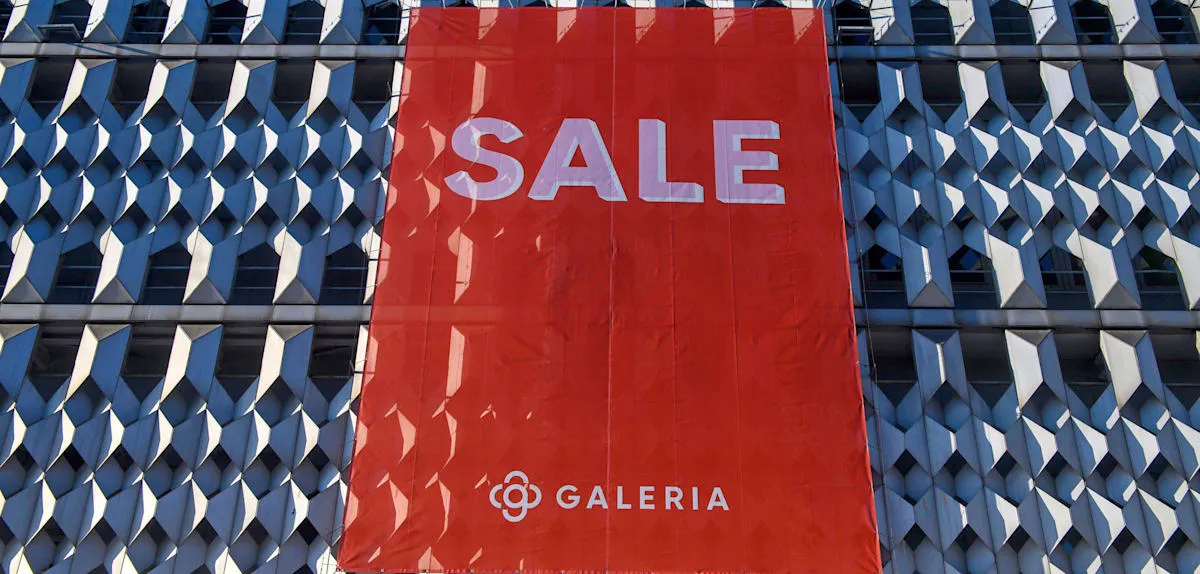
Magdeburg — The city of Magdeburg, capital of the state of Sachsen-Anhalt, is facing significant uncertainty following the announcement of an evaluation for its Galeria Karstadt Kaufhof department store branch and the decision to permanently close a local kindergarten until the end of 2026. This development, a prominent topic in the main news update on July 23, 2026, raises deep concerns about local economic stability and its impact on hundreds of families.
The decision to place the Galeria branch "on trial" or under comprehensive evaluation indicates that its operational future in the city remains a major question mark. Such evaluations are often a preliminary step before major restructuring, downsizing, or even permanent closure, especially given the persistent challenges faced by traditional retail sectors across Germany.
Furthermore, the kindergarten's closure until the end of 2026 exacerbates the situation. While specific details regarding the primary reason for the kindergarten's closure have not been fully disclosed, many suspect it is closely linked to the potential change in status or fate of Galeria, as supporting facilities are often integrated within shopping center ecosystems.
Galeria Karstadt Kaufhof's management itself has not issued an official statement detailing the results or timeline of the evaluation. However, speculation among Magdeburg's business community and residents is rampant, sparking discussions about the sustainability of the department store business model in an increasingly competitive digital era.
Galeria's history in Magdeburg reflects the city's changing dynamics over several decades. As one of the main retail anchors, the store's presence not only provided employment but also attracted visitors from both within and outside the city, contributing vitally to the economic life of the city center.
The threat of closure or downsizing of Galeria Karstadt Kaufhof will directly impact hundreds of workers. For many families in Magdeburg, employment at Galeria is the economic backbone, and this uncertainty creates significant financial and psychological pressure.
Magdeburg's Mayor, Dr. Simone Borris, stated that the city government would make maximum efforts to find the best solutions for the future of the location and its employees. “We understand the existing concerns and are committed to working with all relevant parties to find a sustainable way forward, ensuring the vitality of the city center is maintained,” she said at a press conference some time ago.
The kindergarten's closure, regardless of its primary cause, presents serious logistical challenges for parents in Magdeburg. They now have to seek alternative childcare, adding a burden to daily planning and family budgets, especially with the upcoming 2026/2027 academic year.
Local trade unions have urged Galeria's management to be transparent about the evaluation process and guarantee the protection of employee rights. They call for constructive dialogue to reach a fair agreement for all affected parties.
This situation in Magdeburg is not an isolated incident but a reflection of broader trends in Germany and Europe, where classic department stores are struggling to cope with the shift to online shopping and changing consumer preferences. This case highlights the need for business model adaptation and community support to maintain retail diversity.
The people of Magdeburg now anxiously await the results of the Galeria evaluation, hoping that the city government and company management can find innovative solutions. This uncertainty is expected to continue dominating public discourse until an official announcement regarding the fate of Galeria and the kindergarten at the end of 2026.