 Angel Doris
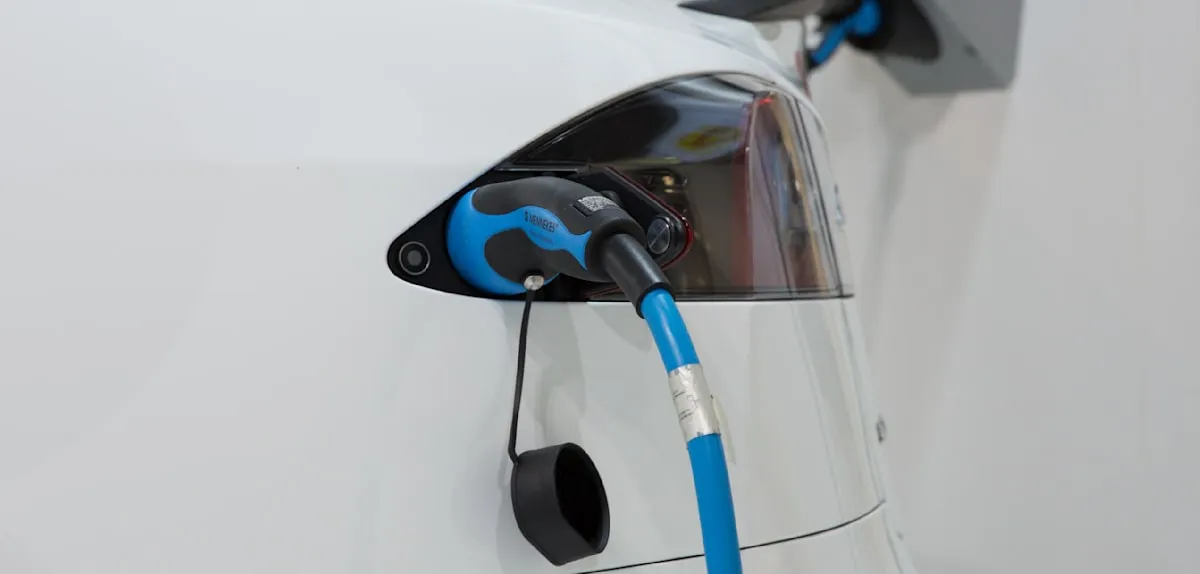
BERLIN – The electric vehicle (E-mobility) subsidy program launched by the German Government faces intense scrutiny after new data from early 2026 revealed its questionable effectiveness. Designed to accelerate the adoption of environmentally friendly cars, the scheme is significantly burdening the state budget, while a substantial portion of the benefits flows to foreign manufacturers, particularly from China. This situation has sparked calls for an urgent re-evaluation, even abolition, of the policy.
This noble initiative, aimed at accelerating the transition towards sustainable mobility and reducing carbon emissions, is now accused of being a waste of taxpayer money. Recent figures indicate that the massive subsidy funds have proven less effective in achieving their initial targets.
According to a report released by a leading economic research institution, billions of euros have been allocated through this program since its inception. The subsidies were provided as purchase incentives for both pure electric vehicles and plug-in hybrids, with the expectation of stimulating German consumer interest.
However, the most striking finding is the dominance of Chinese producers in benefiting from these subsidies. Data shows that brands from the People's Republic of China receive a disproportionate share of this financial aid. German consumers purchasing Chinese-made electric cars are indirectly contributing their taxes to strengthen another nation's automotive industry.
This raises serious questions about the strategic objectives of the subsidies. Instead of strengthening innovation and the competitiveness of the German automotive industry, the policy risks becoming a fast lane for the global market expansion of already highly competitive foreign producers.
Beyond the beneficiary issue, the cost and effectiveness aspects also present significant hurdles. Critics point out that despite the substantial subsidies, their impact on accelerating the energy transition is not commensurate with the investment expended. Many electric car buyers might have purchased them anyway, even without subsidies, or their purchasing decisions were driven more by other factors such as performance and technology.
Members of parliament from various political factions have begun to voice concerns. An economist from an opposition party stated, "We can no longer turn a blind eye to the fact that public money is being used to subsidize already wealthy multinational corporations, especially when state coffers face serious challenges."
This situation becomes even more relevant given the economic challenges Germany faces in 2026, including inflation and the need for investment in other strategic sectors. The government's debt burden is also a focus, as previously discussed in the article "Young Politicians Fume: Mega Government Debt Burdens Germany's Gen Z in 2026".
The federal government is urged to immediately review the entire subsidy framework. Alternative policies more oriented towards local technological development, charging infrastructure, or more targeted tax incentives are being considered as more sustainable solutions.
If the subsidy policy is not adjusted, there are fears that Germany will not only lose billions of euros annually but also risk weakening its automotive industry's global position in the long term. The decisions made will determine the direction of Germany's energy transition and economic sustainability.
Editorial Insight: The controversy surrounding electric car subsidies in Germany highlights the universal dilemma of economic incentive policies. While the intention for the environment is good, imprecise implementation can create market distortions and fiscal waste. This case serves as an important lesson for other countries considering similar schemes. Regular evaluation and policy adaptation based on concrete data are key to ensuring that subsidies truly achieve their strategic goals without detrimental side effects. Germany needs to balance climate ambitions, fiscal sustainability, and the strengthening of its domestic industry.