 Stefani Rindus
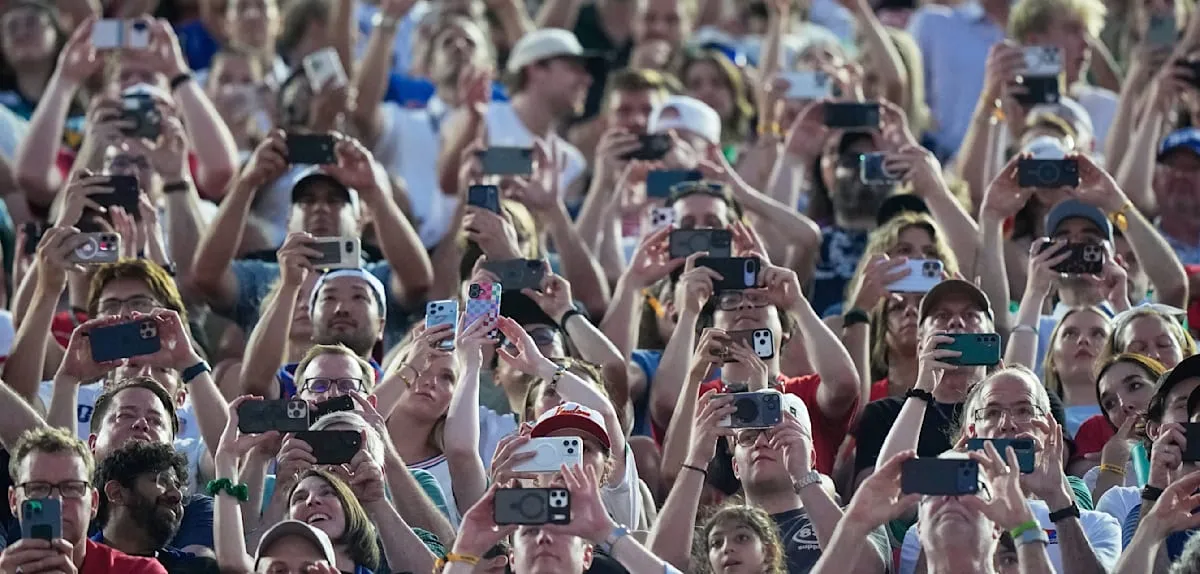
DRESDEN – German second-division football club Dynamo Dresden has initiated a series of firm actions to address the rampant activities of vloggers and influencers within their stadium, often involving the misuse of broadcast rights. This decision comes after months of ongoing debate among German football clubs regarding this phenomenon, prompting Dresden to become the first to implement concrete regulations in early 2026.
This progressive policy aims to regulate digital content creation practices within the stadium area, particularly those with the potential to violate official broadcasting rights. Many clubs have expressed concerns over independent content creators recording and distributing match snippets or stadium atmospheres without permission, despite exclusive broadcast rights having been acquired by television stations or official platforms with significant investment.
The phenomenon of vlogging and influencers in sports arenas is not new. However, the escalation in their numbers, coupled with a tendency to disregard ethics and copyright boundaries, has sparked widespread concern. Dynamo Dresden views this as a serious threat to the integrity of the sports business and the club's revenue from broadcast rights sales.
The measures implemented include restrictions on recording areas, special accreditation requirements for digital media, and potential sanctions for individuals or groups proven to be in violation. The club stated it would tighten supervision in every corner of the stadium, including spectator stands and other public areas, to ensure compliance with these new rules.
Previously, intense discussions on this issue have taken place among the German Football Association (DFB) and professional leagues. However, Dynamo Dresden chose to act swiftly, demonstrating the urgency of the problem and their seriousness in protecting the club's intellectual and commercial assets.
This policy is expected to set a precedent for other clubs facing similar challenges. By doing so, the football industry can maintain a balance between embracing social media trends and protecting traditional business models that form the backbone of clubs' financial sustainability.
It is important to note that these regulations are not intended to hinder creativity or fan participation on social media. Instead, their objective is to create a fair ecosystem where all parties, including content creators, respect established broadcast rights agreements.
Dynamo Dresden's management emphasized that fan interaction remains a priority. They actively encourage positive and supportive content creation, provided it adheres to applicable legal and ethical frameworks. Continuous socialization of the new rules will be conducted to ensure comprehensive understanding among supporters and the digital community.
Several intellectual property law experts have welcomed Dynamo Dresden's move. They consider it a proportional response to the challenges of the digital era, where the line between amateur and professional content is increasingly blurred. Protecting broadcast rights is crucial for maintaining the value of investment in sports, remarked a sports law academic from Leipzig University.
This step also aligns with global efforts to regulate digital content and its platforms. As highlighted in discussions on digital regulations within the European Union, the protection of copyright and the misuse of content are key agendas. Related articles, such as Meta & TikTok War Against Ceuta Hoaxes, Europe Considers Tightening Digital Rules, also underscore the complexity of handling content in the digital realm.
Editorial Insight:
Dynamo Dresden's move warrants close observation as an indicator of a paradigm shift in digital rights management within the sports industry. This is not merely a response to a local issue but a reflection of global challenges faced by traditional content providers amidst the dominance of social media platforms. The successful implementation of this policy will serve as a benchmark for other clubs, not only in Germany but worldwide, in formulating adaptive strategies for the digital age without compromising their core business fundamentals.