 Stefani Rindus
ROME – The persistent surge in energy and fossil fuel prices since early 2026 has prompted Italian society to seek ingenious solutions to alleviate household financial burdens. The 'do-it-yourself recipe' or fai da te phenomenon is now widespread, becoming a collective strategy for citizens facing the ongoing inflation crisis in the country. This movement reflects a pragmatic adaptation to increasingly pressing global economic challenges.
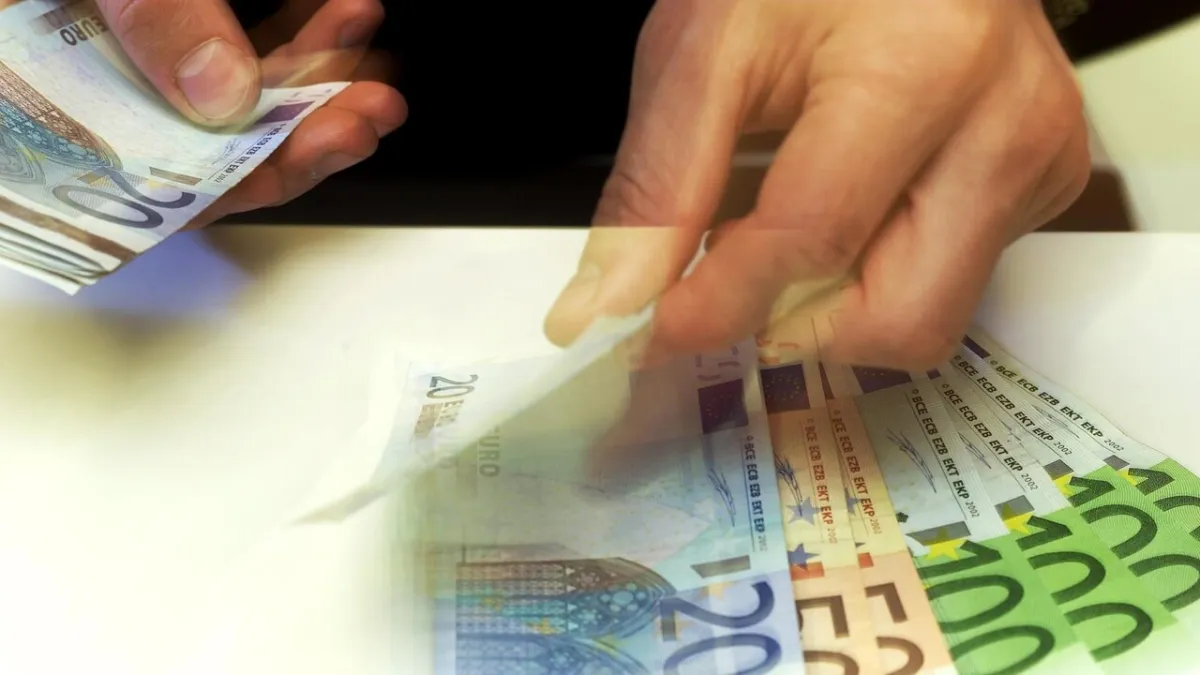
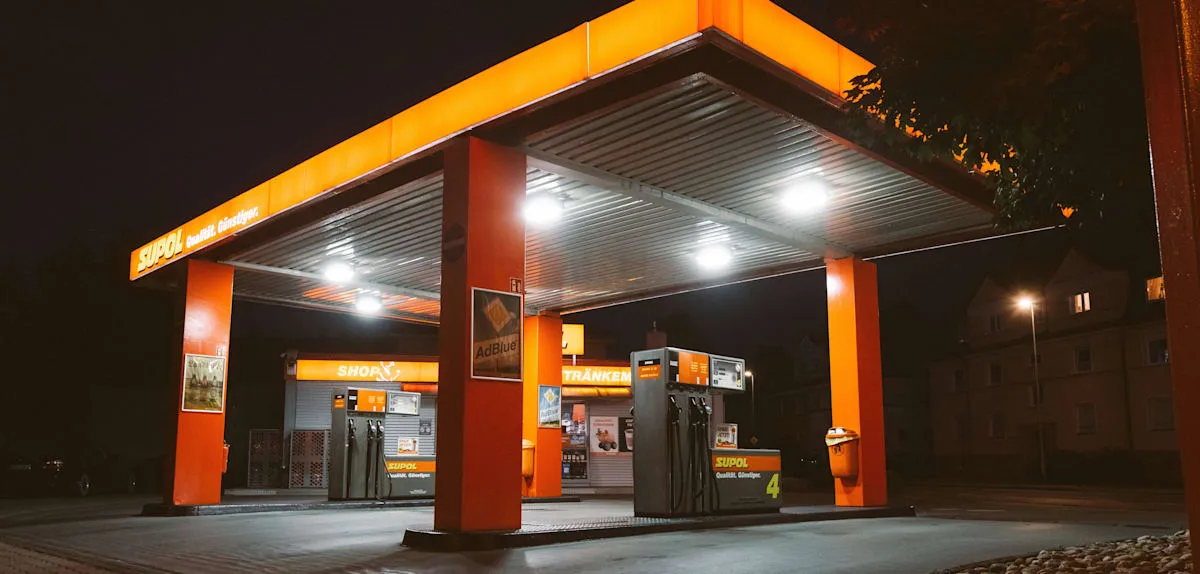
The rising costs of electricity, gas, and vehicle fuels have become a central topic at every family dinner table. Latest data from the Italian National Institute of Statistics (ISTAT) indicates that the consumer price index for energy has soared into double digits. This condition places immense pressure on household budgets, forcing millions of individuals and families to devise ways to cope.
In response to these pressures, the DIY recipe initiative manifests in various forms. It is not merely about conventional savings but about creating innovative solutions. Citizens are actively sharing tips and methods through online platforms and local communities, ranging from simple tricks to more complex technical modifications.
Some popular DIY recipes include:
- Mini Solar Panels: Installation of low-power portable solar panels for basic electricity needs, such as charging gadgets or emergency lighting.
- Creative Thermal Insulation: Using recycled or readily available materials to improve home insulation, reducing the need for heating or cooling.
- Simple Biomass Stoves: Modification of burning stoves by utilizing local biomass such as rice husks or wood waste.
- Light Vehicle Conversion: Experimenting with simple conversion kits for two or three-wheeled vehicles to use cheaper alternative fuels.
The Italian government, under Prime Minister Giorgia Meloni's leadership, has endeavored to provide energy subsidies for vulnerable households. However, the scale of the problem demands active participation from the public. Government aid is important, but self-sufficiency is the long-term key, stated an economist from Bocconi University, Professor Alessandro Ricci.
This movement also fosters the growth of local micro-economies. Many MSMEs and local artisans offer services or products that support these fai da te initiatives, from installing mini solar panels to household energy efficiency consultations. This creates a new economic cycle that, though small, supports a segment of society.
The environmental impact of this trend also warrants attention. With more citizens shifting to alternative energy sources or conserving consumption, the carbon footprint per household has the potential to decrease. This aligns with global sustainability agendas and the emission reduction targets set by the European Union.
However, the long-term effectiveness of these DIY recipes remains a subject of debate. Some circles view these solutions as merely palliative, failing to address the root causes of global energy inflation. Concerns about safety standards and regulations also arise, especially for technical modifications.
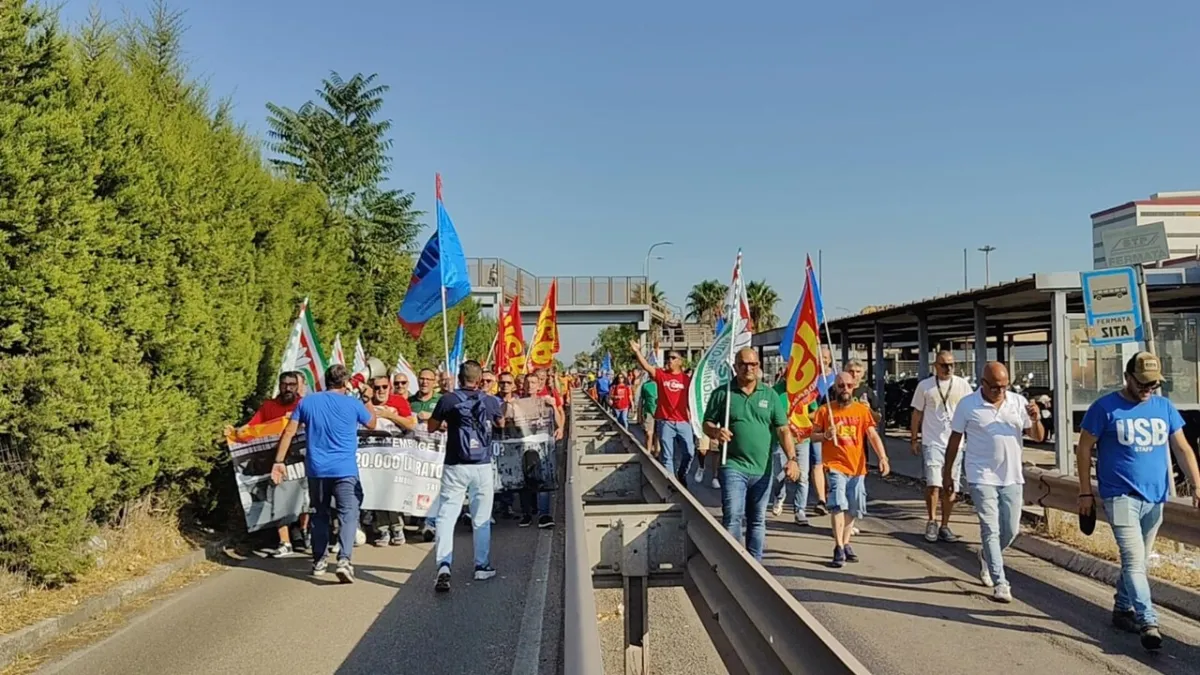
Similar conditions have affected several other European countries grappling with high living costs. Our previous article Italy Paralyzed: 24-Hour Train Staff Strike Cripples Transport highlighted how economic upheaval can trigger social discontent, ultimately pressuring all sectors of public life in Italy.
Citizens like Emilia Rossi, a retiree in Milan, expressed, I never used to think about these things. Now, every watt of electricity and drop of fuel is precious. I learned to make a simple water heater from used plastic bottles, and it helps immensely. Emilia's experience reflects the bitter reality faced by many.
Sociology expert from Sapienza University of Rome, Dr. Sofia Bianchi, highlights this phenomenon as a form of social resilience. Italian society has a long history of adapting to crises. 'Fai da te' is not just about saving, but also about maintaining dignity and control over their lives amidst uncertainty, explained Dr. Bianchi.
Nevertheless, there are undeniable challenges. Technical literacy and access to accurate information are crucial to ensure that DIY solutions do not create new risks. Extensive public education is needed to ensure fai da te practices are carried out safely and effectively.
Editorial Insight: The DIY recipe phenomenon in Italy is a clear indicator of the direct economic pressure felt by the public. It highlights the failure or limitations of macroeconomic policies in protecting citizens' purchasing power, while also demonstrating the significant potential of grassroots innovation. Governments need to respond to this trend with regulatory support, subsidies for safe DIY raw materials, and comprehensive public education, so that the transition towards more sustainable energy independence does not become a burden on society. The long-term impact could be a fundamental change in consumption lifestyles across Europe.