 Edward DP Situmorang
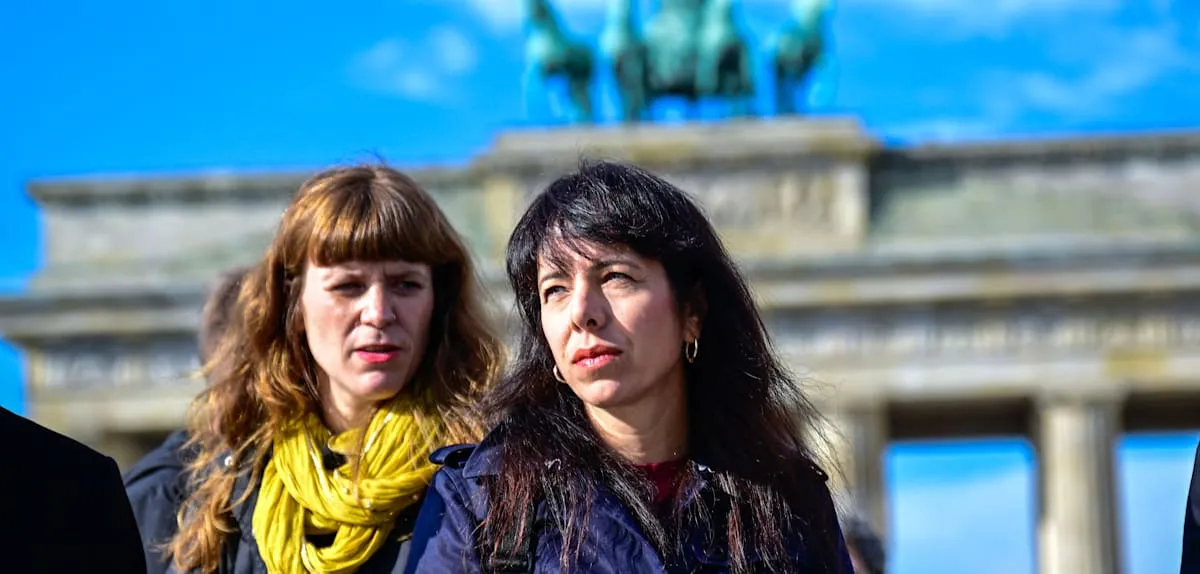
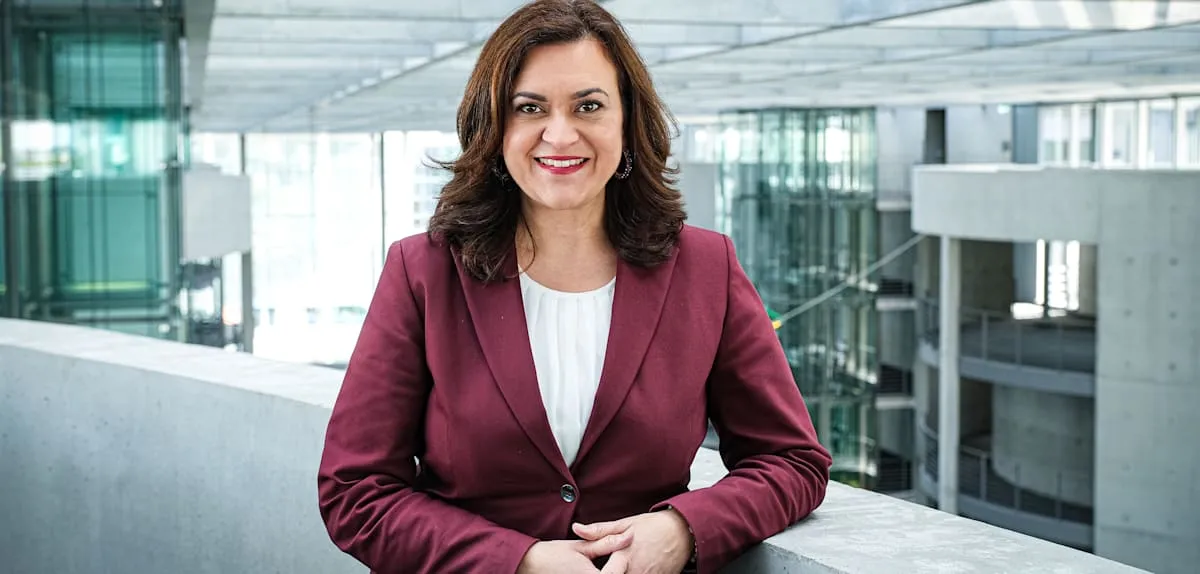
BERLIN – A prominent politician from Germany's Linke Party, Elif Eralp, has surprisingly expressed her profound concerns regarding the potential threat from sympathizers of the Hamas group in Germany. This disclosure emerged through an internal document, reportedly intended for limited circulation, sparking fierce debate about domestic security and political polarization in the country in 2026. The news was first reported by Der Spiegel magazine, highlighting what Eralp described as an 'abyss' opening up within society.
The internal document, a copy of which was leaked to the public, contains Eralp's unsettling admission about an 'abgrund' or abyss now wide open in Germany. This statement explicitly refers to the escalation of support or sympathy for organizations like Hamas, which are categorized as terrorist groups by the European Union and Germany. Eralp's fear underscores a complex reality: how distant geopolitical conflicts can permeate and create significant tensions within Germany.
As a figure within a left-leaning party that historically emphasizes social issues and human rights, Eralp's views are considered quite bold and even controversial within her own ranks. The Linke Party often takes a critical stance on certain foreign policies, yet Eralp's personal admission highlights a deeper moral and security dilemma now faced by German politicians.
The 'abyss' mentioned by Eralp can be interpreted as an increasingly sharp social division, where differing views on global conflicts are no longer just political debates but have fostered the potential for extremism and security threats. This is not merely a personal concern but a reflection of a broader apprehension within German society.
Der Spiegel's report emphasized that the document was intended for internal use, indicating a level of sensitivity and potential political impact recognized by Eralp and her party. The leak has undoubtedly prompted a more open public discussion, forcing the government and society to confront this sensitive issue.
This situation is increasingly relevant given the rise in incidents related to antisemitic sentiment in Germany, as reported in the article Alarming Wave of Antisemitism in Germany, Worst Since Shoah 2026. A politician's fear of certain sympathizer groups indicates that security authorities may face new challenges in mitigating the risk of escalating conflicts beyond national borders spilling into the domestic sphere.
Eralp's statement comes at a time when Germany is striving to balance freedom of expression with the need to maintain public order and combat extremism. Chancellor Olaf Scholz's government continues to call for unity and tolerance, but incidents such as attacks on crowds in Germany, as seen in the article Driver Attacks Crowd in Germany, Five Injured, Perpetrator Apprehended, underscore the country's vulnerability.
The fear of 'terror supporters', as expressed by Eralp, is not solely about Hamas but also reflects concerns about ideological radicalization that could threaten democratic values and pluralism in Germany. This phenomenon presents a significant challenge to social cohesion and political stability.
Responses from across the German political spectrum are likely to vary. Some may criticize Eralp for stirring up trouble, while others will commend her courage in voicing real concerns. The public awaits whether this statement will trigger concrete action from the authorities.
German Interior Minister Nancy Faeser has repeatedly emphasized the government's commitment to combating all forms of extremism, whether originating from right-wing, left-wing, or religiously motivated ideologies. However, the admission from an internal politician like Eralp indicates that the threat is more personal and pressing.
The Linke Party itself may face intense scrutiny. How the party responds to the statement from one of its leading candidates will be an important indicator of their position on complex security and foreign policy issues. It will also test the party's internal solidity.
Elif Eralp's case illustrates the fragile balance between political freedom and national security. Eralp's concern is not just a personal sentiment but a warning about the potential dangers lurking behind increasingly extreme differences in views and ideologies. Germany, as one of Europe's largest economies, must carefully navigate this increasingly volatile political and social landscape.
Editorial Insight:
Elif Eralp's revelation is a crucial moment that uncovers the hidden reality behind Germany's formal political narrative. It is not merely an individual's concern but a clear signal that ideological polarization related to global conflicts has breached party lines and is eroding the sense of security within the country. For the Linke Party, this statement could be a double-edged sword: demonstrating maturity in confronting harsh realities while potentially causing internal divisions. The German government needs to respond to these concerns with a more comprehensive strategy, beyond mere rhetoric, to ease tensions and prevent the 'abyss' Eralp fears from truly widening.