 Demian Sahputra
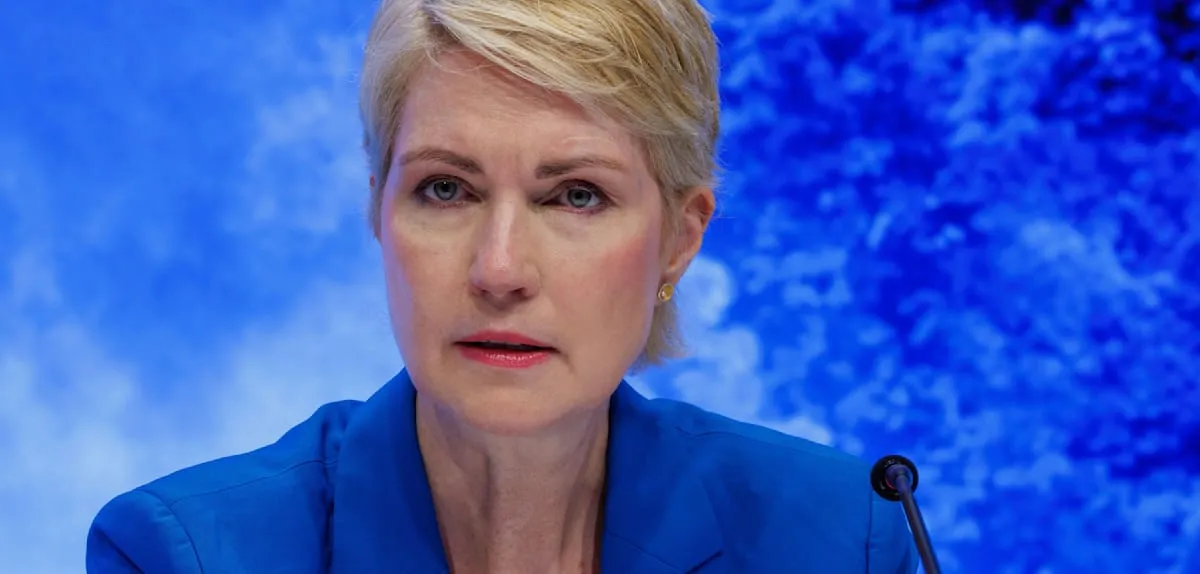
BERLIN — The German government faces significant political turmoil in 2026 after the Minister President of Mecklenburg-Vorpommern, Manuela Schwesig of the SPD party, explicitly threatened to use her veto power in the Bundesrat. This threat comes in response to recommendations from the Pension Commission proposing the abolition of the Rente mit 63 pension program, a policy allowing workers to retire at 63 with a long employment history. This decision could have severe consequences, particularly for workers in eastern Germany.
The controversial proposal from the Pension Commission aims to secure the financial sustainability of the German pension system amidst increasing demographic and economic challenges. However, this step immediately triggered a wave of strong opposition from various parties, with Schwesig becoming one of the loudest voices against such a fundamental change.
Manuela Schwesig, who leads one of the federal states in East Germany, stated that abolishing Rente mit 63 would be a devastating blow to hundreds of thousands of citizens, especially those who have served for decades and are entitled to earlier retirement. Her firm stance reflects deep concerns about social justice and regional economic stability.
Eastern Germany, still grappling with the legacy of post-reunification economic transition, is projected to be particularly affected by this policy. Many workers there began their careers at a young age and have long employment histories, making Rente mit 63 a vital retirement option for them.
The Rente mit 63 program, which came into effect in 2014, was designed to provide workers with a minimum of 45 years of contributions the opportunity to retire early without benefit reductions. This policy is an important pillar of Germany's social security system, especially for individuals performing physically demanding or high-stress jobs for decades.
A senior politician from the CDU party even warned against rashly cutting a vital element of this pension system. "You cannot simply pull out a building block without understanding its ripple effect on the entire structure," he said, highlighting the complexity and interconnectedness of social policies.
This tension reveals the fragility of the Ampelkoalition government, composed of the SPD, Greens, and FDP. Manuela Schwesig's veto threat could lead to legislative deadlock, as state votes in the Bundesrat have decisive power over many laws. Internal party and coalition dynamics will be tested in addressing this sensitive issue, as reflected in previous debates concerning German pension tensions.
From an economic perspective, proponents of abolishing Rente mit 63 argue that such a step is essential to maintain the solvency of pension funds amid rising life expectancy and declining birth rates. They underscore the continuously increasing fiscal burden if the program is maintained in its current form.
However, critics emphasize that hasty reforms could erode public trust in the social security system and exacerbate social inequalities. They call for a more holistic approach, balancing macroeconomic impacts with individual well-being.
The debate over pension reform in Germany is not new. Throughout 2026, various proposals have been put forward, but Rente mit 63 has consistently been a central point of contention. This issue often becomes "campaign fodder" for political parties, especially leading up to regional or national elections.
This situation places Chancellor Olaf Scholz in a difficult position, having to balance pressure from the Pension Commission and demands from within his own party. His reputation as a leader capable of maintaining social and economic stability will largely depend on how his government handles this crisis.
Potential scenarios include renegotiation, where compromises are sought to modify the program rather than abolish it entirely, or the possibility of a prolonged political deadlock. The chosen path will shape Germany's social security landscape for decades to come, as discussed in a prior article about German Pension Reform on the Brink.
The Bundesrat, representing the German federal states, plays a crucial role in the legislative process, especially on issues that directly affect the states. A veto from one or more states can effectively block a bill proposed by the federal government.
The German public, especially workers nearing retirement age, will closely observe the developments of this situation. The final decision regarding Rente mit 63 will not only determine the future of their pension benefits but also reflect the country's social and economic priorities in 2026.