 Angel Doris
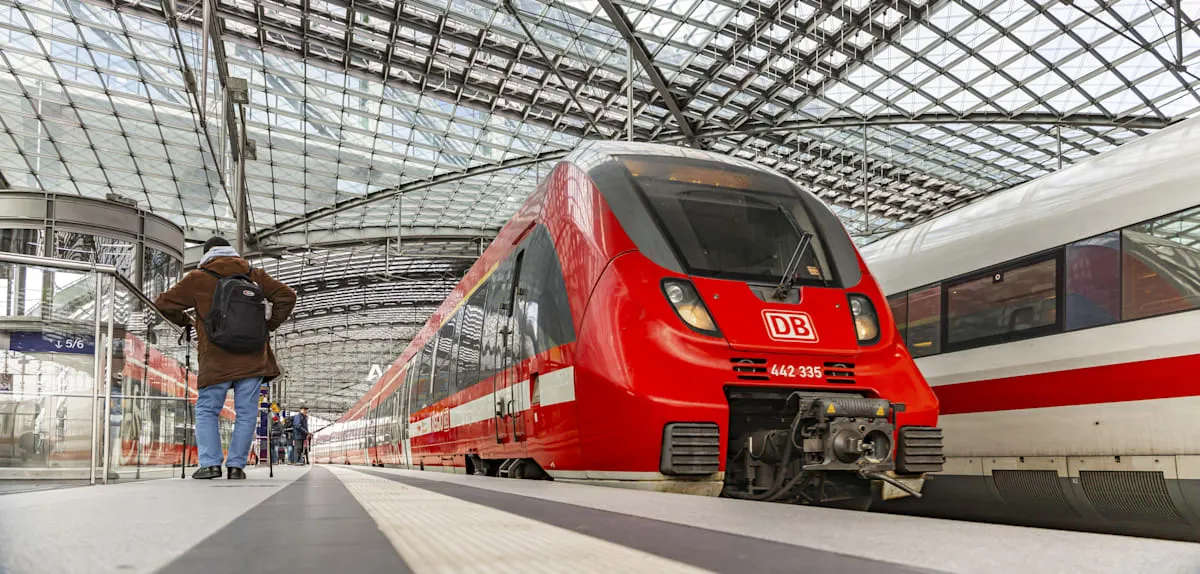
BERLIN – The fierce debate over the financing of regional public transport (Nahverkehr) in Germany has reached its peak. Transport ministers from all German states convened in a special conference in early 2026, demanding significant financial intervention from the federal government. This crisis is triggered by surging railway track usage fees (Trassenpreise), millions of euros in back payment obligations, and increasing competition in the railway sector.
This situation creates immense pressure on regional budgets. The transport infrastructure, which is the backbone of citizen mobility, now faces a serious threat, potentially disrupting vital daily services for millions of commuters across the country.
The increase in Trassenpreise, which are the fees railway operators must pay to use the rail network, is a primary factor. Regional transport operators report unexpected increases, far exceeding previous budget projections for the 2026 fiscal year.
Furthermore, back payment obligations totaling millions of euros add to the financial burden. These payments are allegedly from historical tariff adjustments or unresolved claims from previous years, complicating short and medium-term financial planning for operators.
The increasingly fierce competition in the German railway sector, while aiming to improve efficiency and service innovation, actually pressures profit margins. Operators are forced to make larger investments in fleet modernization and service upgrades, a dilemma when they also need to keep ticket prices affordable for the public.
During the conference, state representatives unanimously called on the federal government to bear a larger portion of the costs. They argued that public transport is a vital national interest and should not be the exclusive burden of local governments.
"We need substantial support from Berlin to maintain the quality and continuity of services," said a state transport minister, who wished to remain anonymous, to the media after the conference. "Without federal assistance, the quality and frequency of public transport services will be jeopardized, hindering our efforts to achieve climate and sustainable mobility targets."
If not addressed promptly, this crisis has the potential to lead to reduced service schedules, burdensome fare increases, or even the closure of some less profitable routes. This would undoubtedly have a direct impact on commuters, especially those who rely entirely on public transport for their daily activities.
This situation also occurs amidst global economic uncertainty in 2026, where inflation and budgetary pressures remain key concerns. Although recent data from the German Ministry of Economy shows that German industry surged by 3.1 percent in June 2026, the public transport sector is experiencing different pressures, highlighting disparities in economic recovery.
Several European countries face similar challenges but have implemented mixed funding models involving central governments, regional authorities, and even the private sector to ensure service continuity. Germany may need to consider such innovative approaches to find long-term solutions.
Further discussions between the states and the federal government are expected to be intense. A special working committee may be formed to examine long-term funding options and a fair and sustainable distribution of burdens.
Failure to reach an agreement could trigger political tensions between levels of government, potentially becoming a significant campaign issue in upcoming regional elections, given the importance of mobility for every citizen.
Editorial Insight: The public transport funding crisis in Germany is not merely a budgetary issue, but a reflection of national priorities towards sustainability, inclusivity, and accessibility. The federal government has an opportunity to demonstrate its commitment to the European Green Deal agenda and the welfare of its citizens by taking a leading role in stabilizing this vital sector. A long-term approach involving smart investments, adaptive funding structures, and inter-governmental collaboration will be key to keeping public mobility running without excessively burdening regions, while also ensuring Germany remains a pioneer in sustainable transport.