 Dorry Archiles
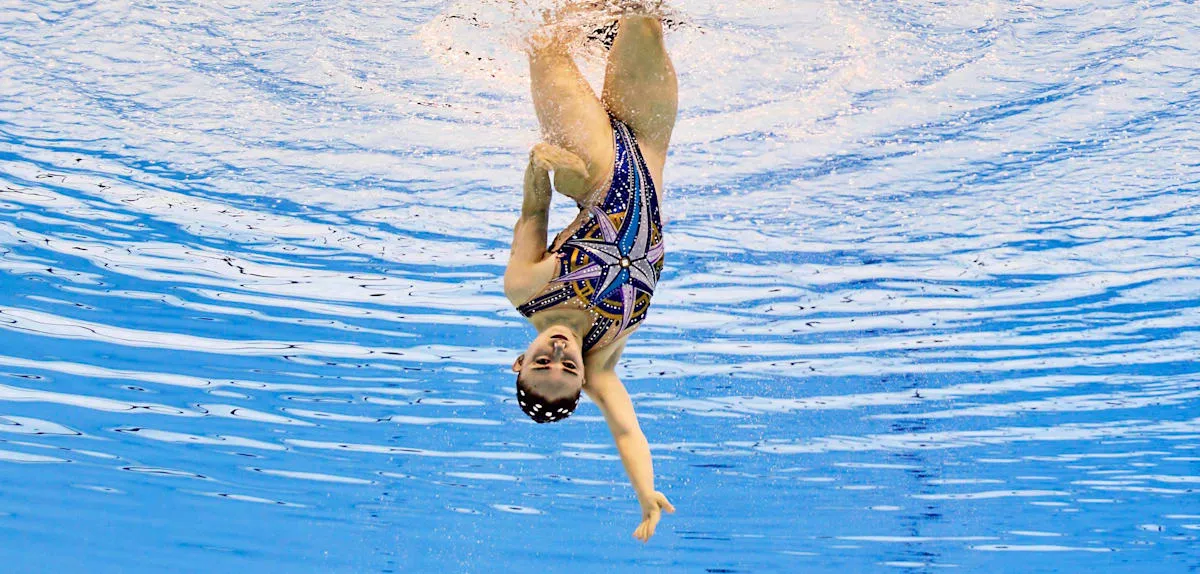
BERLIN — Klara Bleyer, Germany's most accomplished synchronized swimmer in history, has expressed deep disappointment over the minimal financial support she receives compared to the disproportionate attention given to social media influencers. The athlete, who trains more than 40 hours each week, feels frustrated that her dedication in the pool is not matched by adequate funding.
This phenomenon emerges as a bitter irony amidst the dynamism of global elite sports in 2026. Klara's tireless commitment to mastering every acrobatic movement and complex choreography underwater now confronts the harsh reality of sponsors who tend to shift their focus.
"They prefer influencers over us top athletes," Klara Bleyer stated, voicing her feelings with a tone of disillusionment. Her comment highlights a shift in values within the promotional and support landscape, where instant popularity often outweighs athletic excellence built over years.
Klara must struggle for every Euro to sustain her intensive training needs. Travel expenses for international competitions, specialized equipment, and even the fees for coaches and nutritionists become a heavy burden she must bear, despite being an athletic ambassador for her nation.
This young swimmer is not just an ordinary athlete. She represents the pinnacle of perseverance and discipline. Her title as Germany's best synchronized swimmer of all time affirms her quality and potential, which should warrant full appreciation and support.
This situation raises significant questions about the direction of sports funding in Germany and other developed nations. Is it truly an era where high-achieving athletes must compete with social media celebrities for budgets?
"It's incredibly frustrating," Klara added, referring to the psychological pressure she experiences. Besides extreme physical demands, she also has to contend with financial aspects that often hinder her career development.
Many parties are now urging sports federations and governments to re-evaluate their funding allocation strategies. It is crucial to ensure that athletes who bring prestige to their country on the international stage are not overlooked in favor of fleeting trends.
The long-term impact of this preference could be detrimental to the future of elite sports. Promising young talents might be deterred from pursuing an athletic path if they see their seniors struggling for support.
Klara Bleyer's case serves as a clear reflection of the challenges faced by many professional athletes in the digital age of 2026. A balance is needed between modern promotion and the recognition of hard work and authentic achievement in sports.
The phenomenon of frustration among athletes is not new. Golf legend, Marcel Siem, also voiced his disappointment when facing physical struggles that eroded his career, reflecting another side of the pressures in professional sports. Peak Frustration: Golf Legend Marcel Siem Battles His Own Body.
The German government and the Olympic Committee are expected to respond to this issue promptly. Ensuring Klara Bleyer and other elite athletes receive deserving support is a crucial investment for national sporting glory.