 Chandra Wijayanto
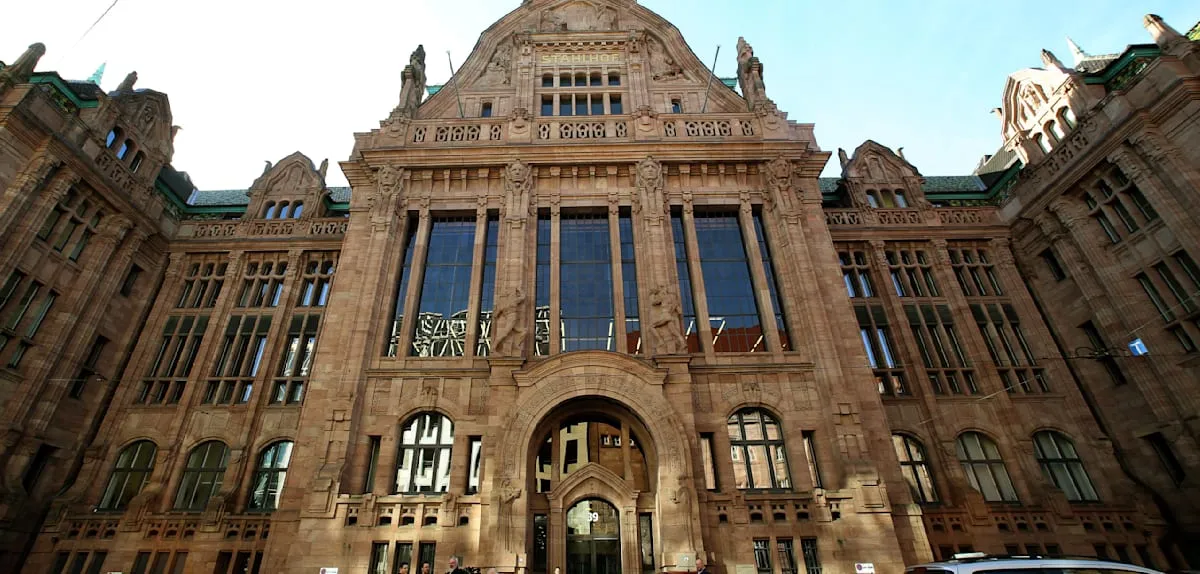
DÜSSELDORF — An administrative scandal shaking public trust has emerged in Germany, highlighting the case of a teacher in the state of North Rhine-Westphalia (NRW) who reportedly received significant salary increases, reaching over 6,000 Euros per month at its peak, despite being absent from teaching duties for nearly 17 years due to chronic illness. This situation, recently uncovered through an investigative report, raises serious questions about the effectiveness of budget oversight and personnel management in Germany's public sector.
The incident centers on an educator who, from early 2009 to the present, has remained on the active payroll but has never returned to teaching. Throughout this almost two-decade absence, her salary paradoxically continued to receive regular increases, as if she were fully dedicated to her duties. These allowance hikes brought her monthly income to exceed 6,000 Euros, an astonishing amount for an individual providing no functional contribution.
Her health condition is classified as permanent chronic illness, which should have triggered a review of her employment status or an early retirement option according to regulations. However, systemic anomalies allowed payments and salary increases to continue without significant interruption. Many parties lament the slow response from relevant authorities in addressing a situation that should have been identified and dealt with much earlier.
Education authorities in NRW have acknowledged the irregularity and stated that legal proceedings against the teacher have been initiated. Yet, what is more bewildering to the public is the reported “frozen” or stalled status of these proceedings, with no clear explanation for the delay. The halt in the case prolongs uncertainty and adds to public doubt regarding accountability mechanisms in government.
This case exposes potential loopholes in Germany's public employment system, particularly concerning the management of long-term sick leave for civil servants. Public sector employment regulations typically outline strict limits and procedures for extended illnesses, including the possibility of retirement due to physical incapacity or a re-evaluation of employment status. The failure to effectively implement these regulations has become a central point of criticism.
This scandal has not only sparked discussions among legal practitioners and anti-corruption activists but has also drawn sharp scrutiny from teachers' unions and taxpayer organizations. They demand transparent explanations from the North Rhine-Westphalia Ministry of Education and concrete actions to prevent similar cases from recurring. The misuse of taxpayer money is a primary concern.
This intricate situation also prompts comparisons with various other transparency and accountability issues that have previously rocked German bureaucracy. In the past, the public has been stirred by several political scandals that tested democratic integrity. This teacher's case, though in a different context, reinforces the perception that systematic reforms may be necessary to tighten internal oversight.
Public policy observers emphasize that incidents like this erode public trust in the efficiency of state administration. It is crucial to promptly identify weaknesses in internal procedures and ensure that all public servants, without exception, are held accountable for their employment status. Transparency and swift resolution of cases are critical factors.
As of mid-2026, the status of the legal proceedings against the teacher remains unclear. Authorities have promised to provide updates as the process unfolds. However, public pressure to find a permanent solution and ensure no further improper waste of state funds continues to mount.
The regional government of North Rhine-Westphalia now faces the challenging task of restoring public trust and demonstrating a strong commitment to good governance. Reforms in long-term sick leave policies and personnel monitoring mechanisms are expected to be a top priority to maintain the integrity of Germany's public service system in the future.