 Dodi Irawan

BERLIN — German police recently detained an individual identified as a 'low-level agent' on strong suspicion of involvement in sabotage activities targeting critical national infrastructure. This arrest, executed through a meticulous intelligence operation, has sparked serious concerns regarding Germany's national security amid escalating global geopolitical tensions in 2026.
The incident re-exposes Germany's vulnerability to foreign intervention and hybrid operations that could potentially cripple vital national functions. Initial investigations indicate the suspect has connections to foreign entities, though specific details regarding their identity and affiliation remain confidential in the interest of the ongoing inquiry.
A special police detachment, collaborating with federal intelligence agencies, successfully identified and tracked the agent after a series of suspicious activities were detected within energy and communication networks. This swift action prevented potential widespread damage that could have profoundly impacted society and the economy.
The Spokesperson for the German Federal Police, in an official statement, affirmed the authorities' commitment to uncovering the entire network behind this alleged sabotage. 'We will not tolerate any form of threat to our sovereignty and infrastructure security,' the spokesperson declared, emphasizing the gravity of the case.
This arrest is not the first time Germany has faced such threats. The country has long been a susceptible target for cyber operations and subversion. Security experts suggest this incident is part of an increasingly intense 'hybrid warfare,' where state and non-state actors employ asymmetric tactics to weaken adversaries. This aligns with past analyses, such as an article discussing Germany being a suspected target of hybrid warfare and the call to disrupt intelligence.
Energy infrastructure, including power grids and gas pipelines, along with telecommunication systems, are primary targets for such attacks. The success in detaining this agent is a significant step, but it does not mean the threat has entirely vanished. The scale of this threat was even highlighted when a drone with explosives near a Ukrainian plane at Leipzig Airport caused widespread alarm.
The German federal government, under the current Chancellor's leadership, has increased its budget and resources for counter-intelligence and cybersecurity. Preventive measures include enhanced digital surveillance, training of security personnel, and strengthening international cooperation with strategic partners.
The legal process against the suspect will be stringent. Public prosecutors are preparing relevant charges, focusing on criminal acts of sabotage and espionage. The case is expected to draw significant public and international media attention, given its implications for European regional stability.
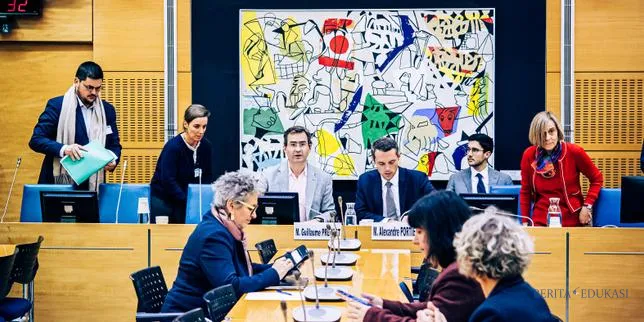
This incident has also sparked an internal debate in the German parliament concerning the effectiveness of existing security laws and the necessity for revision to counter modern criminal modi operandi. Members of parliament from various factions have called for greater transparency and accountability from security agencies.
Post-arrest intelligence analysis is expected to provide a clearer picture of the strategies and tactics employed by foreign entities to undermine Germany's internal security. The collected data will be invaluable in strengthening national defenses against similar future threats.
German authorities continue to urge the public to remain vigilant and report suspicious activities. Collaboration between the government and citizens is deemed crucial in maintaining national stability and security against unseen but real threats.
The arrest of this low-level agent serves as a stark reminder that national security cannot be taken for granted. Germany must remain proactive and adaptive in confronting an evolving spectrum of threats, especially in the current complex digital and geopolitical era.