 Chandra Wijayanto
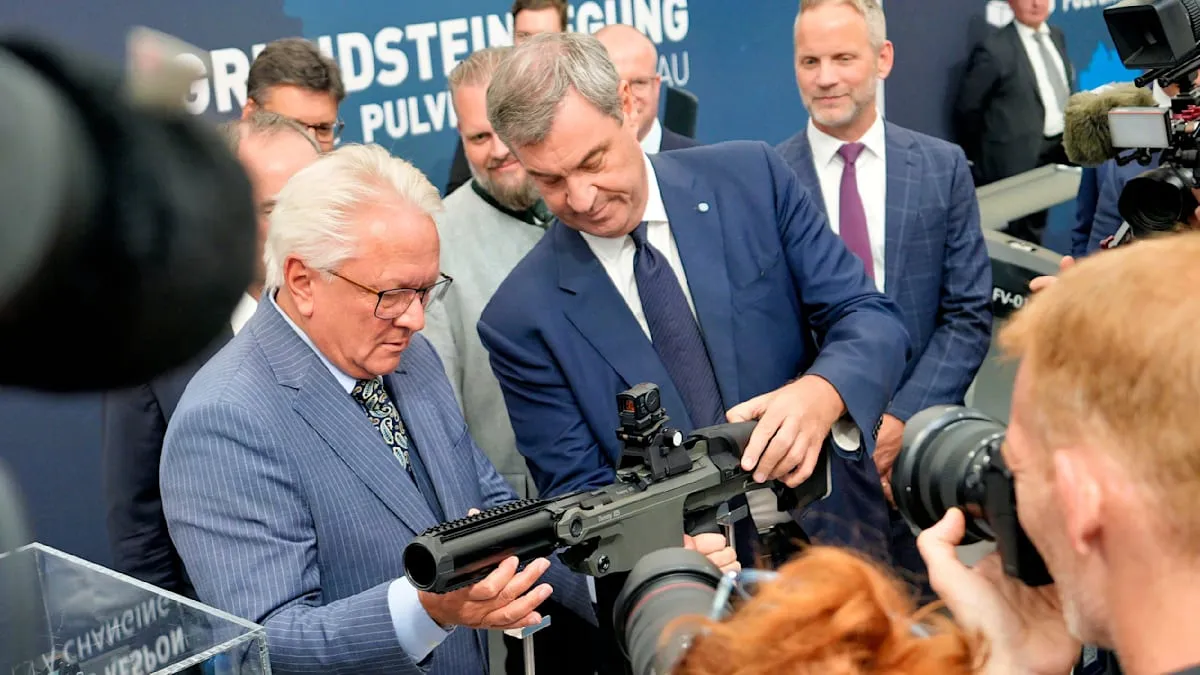
ASCHAU — Germany is taking a significant strategic step by announcing a drastic increase in gunpowder production capacity at Rheinmetall's modern factory in Aschau. This initiative aims to more than double ammunition supplies for Western nations, responding to dwindling global arms stockpiles and reducing critical dependence on supplies from China, while strengthening European defense autonomy amid geopolitical tensions in 2026.
The increasingly complex global geopolitical landscape has placed the issue of ammunition availability at the top of many nations' priorities. After years of defense budget cuts, Western countries now face the reality of ammunition reserves at their lowest point, a situation that demands a swift and measured response.
Rheinmetall, as one of Europe's leading defense contractors, plays a vital role in this endeavor. The company is committed to accelerating the construction and operationalization of new facilities that will become the heart of gunpowder production in the region, ensuring ambitious completion timelines can be met.
This expansion is not merely about increasing volume but represents a strategic reorientation. By more than doubling output, Europe aims for greater self-sufficiency in the defense supply chain, an urgent necessity given the dynamics of global trade, which is vulnerable to disruptions and conflicts.
Reliance on China for key raw materials and military components has become a serious concern among Western policymakers. This decision is a concrete effort to diversify supply sources and mitigate geopolitical risks that can arise from excessive reliance on a single supplier.
This significant investment also reflects Germany's commitment to strengthening national and regional security. The factory project in Aschau is projected to have positive economic impacts, including job creation and the strengthening of a sustainable domestic defense industrial base.
The strengthening of ammunition production in Germany also aligns with NATO's aspirations to enhance the combat readiness of its members. As previously discussed in the article, "Germany Builds Europe's Largest Gunpowder Factory: NATO's Weapons Fully Dependent!", similar initiatives have been a key focus of the defense alliance in confronting global threats.
While the prospects are bright, challenges certainly loom, ranging from strict environmental permitting, sustainable and ethical sourcing of raw materials, to attracting sufficient skilled labor in this highly specialized sector. However, the urgency of the situation seems to place these obstacles as priorities to be addressed promptly.
Although no direct quotes from Rheinmetall executives or government officials have been specifically released regarding the doubled capacity in Aschau, German Defense Minister Boris Pistorius has previously emphasized the importance of revitalizing the national defense industry as a pillar of security.
The construction of the gunpowder factory in Aschau is more than just an industrial project; it is a concrete manifestation of Europe's increasingly proactive defense strategy. Germany's move signals a new era of independence and readiness amidst an unpredictable global landscape.
In 2026, global supply chain conditions continue to show vulnerabilities, especially post-pandemic and due to escalating regional conflicts. Therefore, steps such as those taken by Rheinmetall become crucial to ensure a stable supply of defense materials, unaffected by external upheavals.