 Stefani Rindus
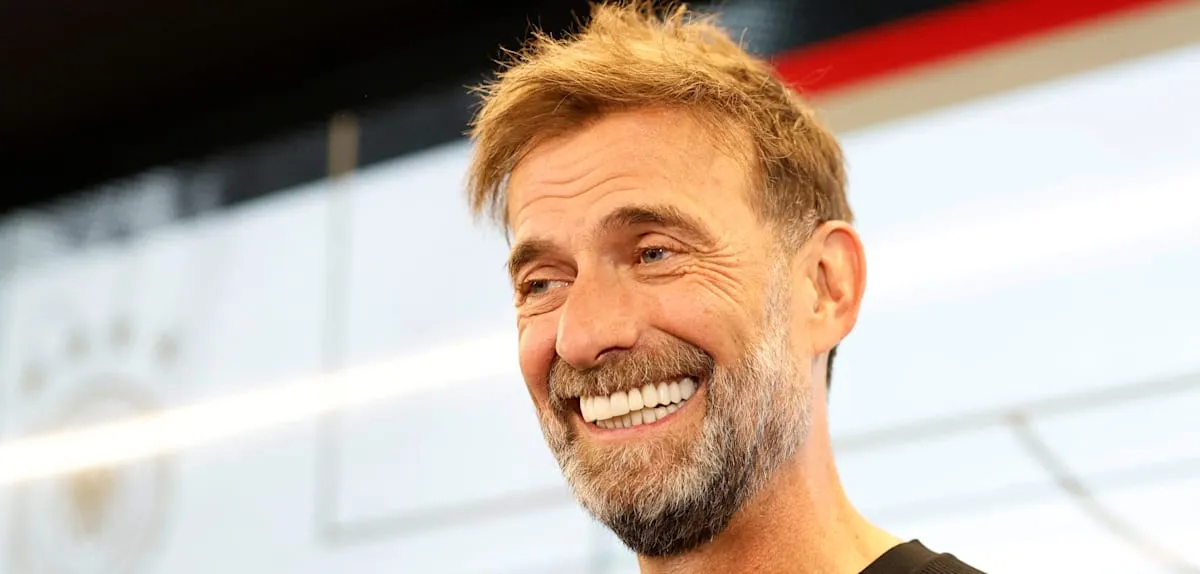
BERLIN — Jürgen Klopp has officially taken the helm of the German National Team as the new Bundestrainer, sparking a wave of optimism among a football-hungry public yearning for glory. This charismatic appointment comes after Der Panzer endured a dark period with three consecutive failures in major tournaments, demanding more than just individual charm to restore its global reputation.
Before Klopp's appointment, German football was trapped in a spiral of disappointment. A series of poor performances began with the 2018 World Cup, continued into the 2022 edition, and was exacerbated by an unconvincing pre-season or qualification campaign leading up to the 2026 World Cup.
The German public welcomed Klopp's arrival with immense enthusiasm. The former Borussia Dortmund and Liverpool coach is known for his 'gegenpressing' philosophy and his ability to build solid teams with a high fighting spirit. His expressive and authentic character is believed to be capable of injecting positive energy into the Die Mannschaft squad.
The phenomenon of charismatic coaches is not exclusive to Germany. Several other national teams also rely on leaders with similar appeal, hoping their magical touch can lift team performance from adversity. Names like Roberto Mancini in Italy or Didier Deschamps in France are often cited as successful examples of charismatic leaders.
However, the bitter reality on the pitch shows that charisma alone is insufficient to reach the world's summit. True success requires a more robust foundation: proficient tactical strategies, continuous youth player development, effective squad management, and adaptation to the constantly evolving dynamics of modern football.
Klopp, despite being celebrated, faces immense challenges. The soaring public expectations will be a psychological burden. He is required not only to boost the team's morale but also to overhaul the playing structure so that Germany can once again become a dominant force in Europe and the world.
A thorough evaluation of previous failures indicates the necessity of fundamental reforms. Germany needs a more effective youth development system, the integration of talented young players into the senior team, and tactical variations that are not easily deciphered by opponents. Klopp has a stellar track record in these areas.
Some observers, including football legend Lothar Matthäus, welcomed Klopp's appointment positively. However, skeptical voices also emerged, warning that the challenges at the national team level are vastly different from club football. In fact, at the beginning of his coaching tenure, Klopp has already faced a storm of criticism regarding early decisions or friendly match results.
Restoring the national team's image and performance is not a short-term project. It requires patience, federation support, and consistency in vision implementation. Klopp is expected to balance the demands for immediate results with sustainable long-term development.
The German Football Association (DFB) also bears significant responsibility in supporting Klopp's coaching. Strategic policies, resource allocation, and the creation of a conducive environment will be crucial to the success of this revival effort. Harmonious collaboration among coaches, players, and the federation is the main key.
With Jürgen Klopp at the helm, a new era of German football has indeed begun in 2026. Great hopes are placed on his shoulders to bring Der Panzer back to glory. However, a difficult road lies ahead, and only with collective hard work and comprehensive strategy, not just charisma, can Germany rediscover its dominance on the world stage.