 Gabriella
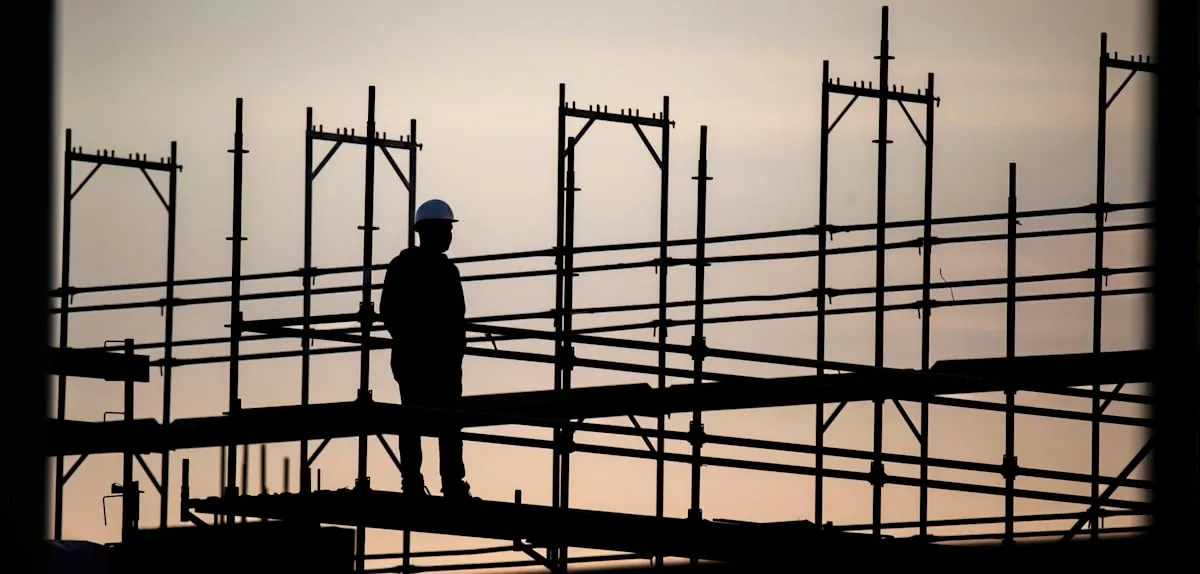
COLOGNE — A recent report by researchers at the Institute of German Economy (IW) in Cologne in 2026 highlights a serious threat to Germany's economic foundations. The country is facing a “dual migration wave” characterized by a drastic decline in net immigration and an exodus of its own citizens, particularly skilled workers, since 2023. This situation is expected to exacerbate the deficit of experts and weaken national innovation capacity in the long term.
Data released by IW shows that Germany's net immigration has more than halved since that period, raising alarms across various sectors. This decline is not merely a statistical fluctuation but a reflection of complex demographic and economic trends, potentially altering Germany's socio-economic landscape.
This phenomenon is compounded by the fact that an increasing number of German citizens, including professionals and highly skilled individuals, are choosing to leave their country. This talent exodus directly erodes the knowledge and experience base vital for economic growth and innovation sustainability.
IW researchers emphasize that the combination of Germany's diminishing attractiveness for immigrants and the increasing emigration of native citizens creates immense pressure on the labor market. The pre-existing shortage of skilled workers is now worsening, hindering the development of strategic industries.
The current German government, under Chancellor Olaf Scholz in 2026, faces a daunting challenge in formulating effective policies. Comprehensive solutions are needed that not only focus on attracting foreign talent but also create a conducive environment for Germans to thrive and work in their homeland.
This crisis has serious implications for Germany's global competitiveness. As one of Europe's leading economic powers, the country's ability to innovate and adapt heavily relies on the availability of a skilled workforce. If this trend continues, Germany's position on the international economic stage could be jeopardized.
The threat to innovation is of particular concern. A lack of engineers, scientists, and technicians could slow down research and development in key sectors such as green technology, artificial intelligence, and high-tech manufacturing, which are drivers of modern economies.
Furthermore, the social impact of these demographic changes should not be overlooked. A decline in the economically active population could strain social security and healthcare systems, and create greater demographic imbalances in the long run.
Various parties are urging the government to take concrete steps immediately. Immigration policies need to be revised to be more appealing to skilled workers, while at the same time, incentive measures must be implemented to prevent brain drain from within the country.
This crisis is not just about migration figures; it is about Germany's future as an innovative and prosperous nation. Without prompt and appropriate handling, this dual threat could leave a profound mark on the country's economic and social structure.