 Dodi Irawan
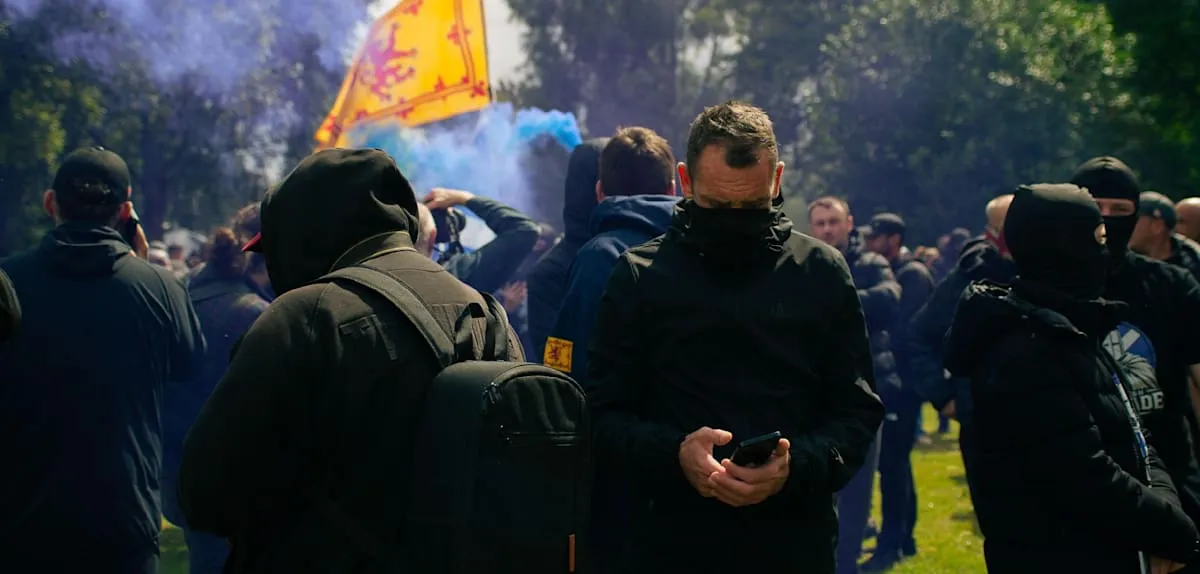
DRESDEN — A wave of tension escalated into significant unrest in a major German city yesterday, when an anti-immigrant group's demonstration culminated in physical clashes with counter-demonstrators. The incident triggered a massive intervention from local police and led to the arrest of at least 15 individuals involved in the disturbance.
The event took place in the heart of Dresden, a region that has often witnessed social polarization surrounding immigration issues. Hundreds of citizens demanding stricter immigration policies confronted groups supporting diversity, who gathered to express solidarity and oppose xenophobia.
Numerous videos widely circulated on social media showed scenes of brutal brawls between the two factions. It was evident how thrown objects, pushes, and punches characterized a protest that initially began peacefully but quickly escalated.
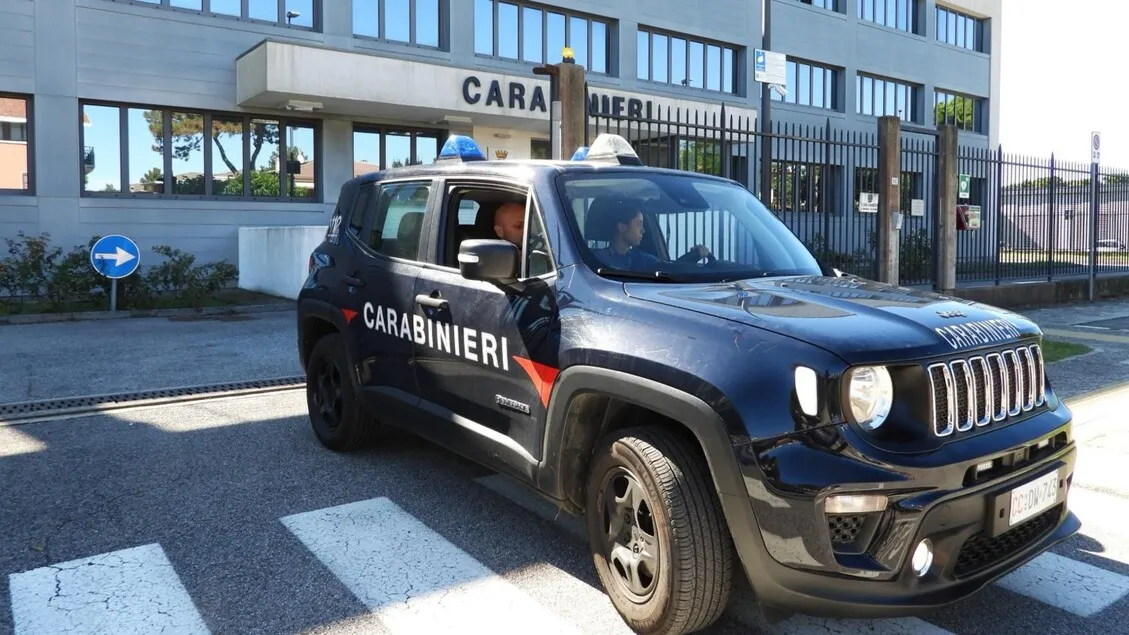
Dresden police responded swiftly to the uncontrolled situation. Hundreds of riot police were deployed to separate the opposing crowds, striving to restore public order amidst the chaos that engulfed the city streets.
Following forced dispersal efforts, law enforcement successfully apprehended 15 individuals identified as primary instigators or perpetrators of violence. They were immediately taken to the police station for further questioning, facing charges ranging from disturbing public order to physical assault.
Dresden Police spokesperson, Klaus Richter, stated his concern during a virtual press conference held last night. “We strongly condemn all forms of violence in demonstrations. The right to express opinions is fundamental, but it must be done peacefully and in accordance with the law,” Richter asserted, adding that investigations are ongoing to identify other perpetrators.
This incident once again highlights the heated immigration debate in Germany, especially leading up to the political year 2026. The federal government's policies regarding refugees and integration continue to be a sensitive topic that divides public opinion across the country.
Various political parties responded differently. Conservative and right-wing groups demanded tighter border controls and more deportations of ineligible immigrants. Meanwhile, left-leaning and liberal parties called for a more humane and inclusive approach.
Similar tensions have also been part of Germany's political dynamics. Issues related to national identity and values often trigger social unrest. This has contributed to the increasing support for anti-immigrant far-right parties, as seen in the dynamics leading up to the 2026 Elections, where the constitutional loyalty of several AfD candidates was questioned.
The events in Dresden serve as a bitter reminder of the fragility of social cohesion and the significant challenges Germany faces in balancing freedom of expression with maintaining public safety and social harmony. Authorities have pledged to continue monitoring the situation and take firm action against anyone who disrupts national stability.
Saxony's Prime Minister, Michael Kretschmer, in an official tweet, called for calm and unity. “Violence will not solve problems. We must return to the dialogue table and seek constructive solutions for a shared future,” he wrote, underlining the urgency of dialogue amidst deepening polarization.