 Angel Doris

BERLIN – Germany's liberal democracy faces an existential threat, warns prominent historian Professor Andreas Pyta, highlighting a crisis of willingness to compromise among mainstream parties, particularly the Union (CDU/CSU) and the SPD. This phenomenon, according to Pyta, is a dangerous 'alarm signal' that could erode the foundations of the republic, opening a gap for extremist forces to dictate the political agenda.
Pyta, an expert in modern history and democracy, asserts that the essence of a liberal democracy lies in the ability of different political forces to reach common ground through dialogue and consensus. When the spirit of compromise weakens, politics tends to polarize, and the political center shrinks, fostering public distrust in governmental institutions.
'This is the biggest dilemma of a liberal democracy,' Pyta stated in an interview. 'If major parties are no longer able to negotiate and find common solutions to the nation's challenges, then they have failed in their constitutional duty.' This failure, he added, inherently creates a leadership vacuum vulnerable to exploitation by more radical factions.
The current political trend in Germany, characterized by rigid positions and a lack of flexibility from the Union and SPD, is feared to accelerate the rise of fringe parties. Parties such as the Alternative for Germany (AfD) and Die Linke (The Left), which often carry populist and fragmented narratives, have significant potential to increasingly shape public discourse.
Professor Pyta foresees a scenario where the AfD and Die Linke not only become policy shapers but also key players controlling the political narrative. The implications of this extremist narrative dominance, he believes, would be fatal for the Federal Republic of Germany, threatening social cohesion and long-term political stability.
Political polarization is not merely an ideological disagreement but a reflection of a systematic failure to bridge differences. In developed democracies, the ability to embrace a plurality of opinions and integrate them into a framework of solutions is an indicator of system health. When this ability erodes, the foundations of democracy also crumble.
History has shown that when centrist parties lose their appeal or fail to demonstrate effectiveness, societies tend to seek alternatives on the more extreme ends of the political spectrum. This creates a dangerous cycle where radical demands increasingly dominate, and moderate solutions are perceived as weakness.
This threat becomes increasingly relevant amidst Europe's turbulent political landscape, where populism and nationalism show an upward trend. Germany, as a major economic and political power in the European Union, bears a significant responsibility to maintain its internal stability to avoid triggering a domino effect in the region.
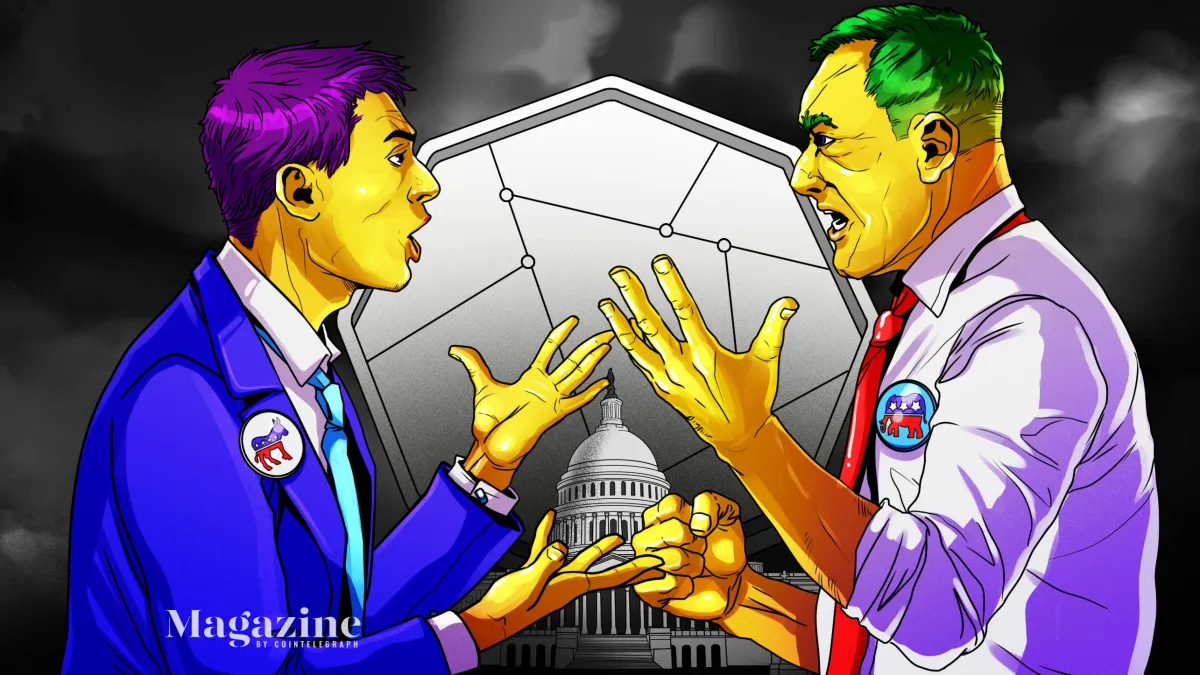
The debate about threats to democracy due to polarization is not exclusive to Germany. Similar phenomena are also observed in other countries, as highlighted in the article Bitter Lessons for Poland: Is US Democracy Threatened by a Politics of Revenge? which underscores how a politics of revenge can undermine democratic order.
To avoid the worst-case scenario, Pyta calls for a revitalization of the culture of compromise and constructive dialogue among the German political elite. This requires a willingness to let go of narrow agendas for the greater national interest, and the courage to explain to constituents that compromise is not a defeat, but the foundation of democratic strength.
Initiatives to find common ground and build bridges between ideologies are crucial. Without a collective effort from across the political spectrum to counter polarization, the future of Germany's liberal democracy will remain on the brink, threatened by internal erosion far more dangerous than any external threat.
Editorial Insight: Professor Pyta's warning is a critical reflection of the political conditions in many modern democracies, including Germany. A lack of willingness to compromise not only paralyzes the legislative process but also creates frustration among the populace, which in turn can drive them towards extremist narratives. If mainstream parties do not soon find a way to revitalize the art of compromise, the space for moderate solutions will continue to shrink, with inevitable consequences for stability and social cohesion in the future.