 Dorry Archiles
TOKYO – The Japanese government is taking significant steps to strengthen its economic foundation by expanding the kosen, or college of technology, education system into the agriculture and creative content sectors. This policy is a strategic response to the evolving labor market dynamics and the urgent need for skilled human resources (HR), particularly in this year 2026.
This initiative marks a paradigm shift in Japan's HR development strategy. Kosen education, known for its focus on engineering and manufacturing, will now venture into broader domains. With this expansion, Japan hopes to bridge the gap between academic curricula and real market demands, especially in vital sectors.
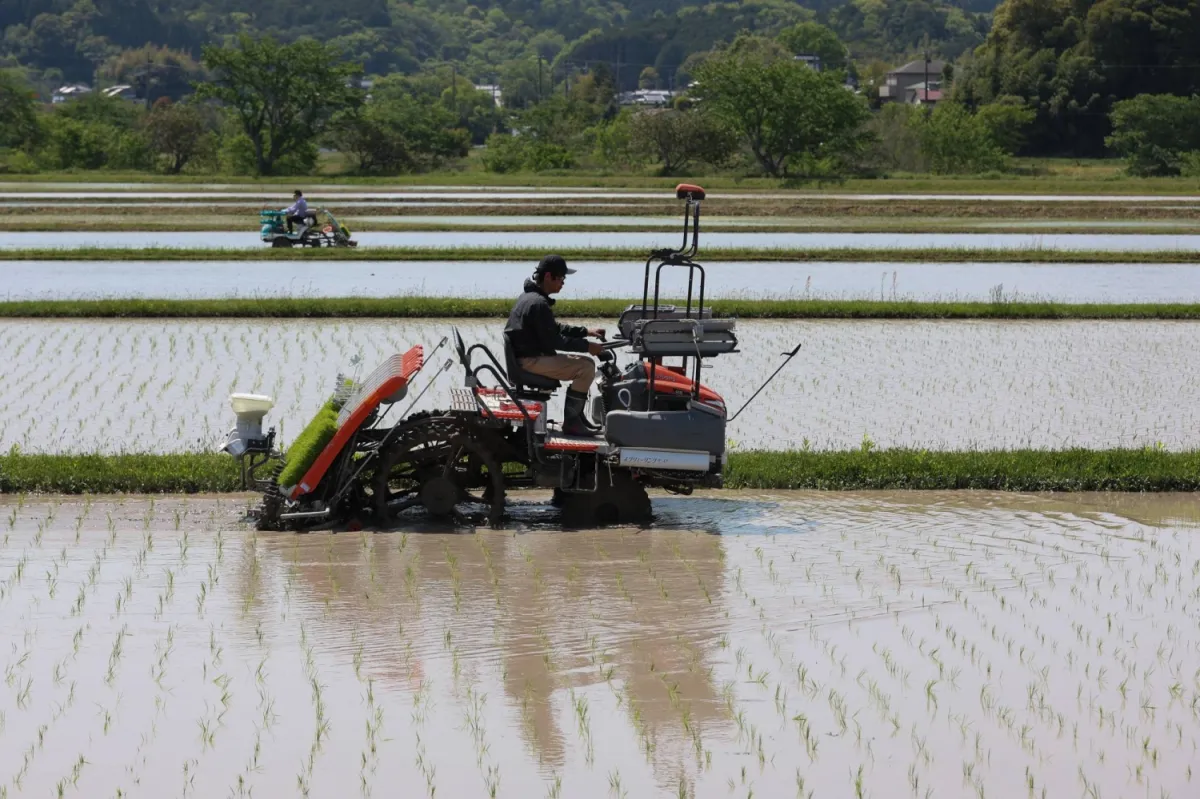
Agriculture, often considered a traditional sector, now requires high technology and innovation. A new generation of young farmers who understand automation, data analytics, and sustainable farming practices is crucial. The expansion of kosen into this field aims to produce graduates who not only master cultivation techniques but are also capable of operating and developing cutting-edge agricultural technologies.
The creative content field, including manga and anime, is also a government focus. This industry is a massive and growing cultural export powerhouse for Japan. There is high demand for high-quality creators, animators, and digital talents, so integrating related curricula into kosen education is expected to provide an adequate supply of skilled professionals.
The Japanese Ministry of Education, Culture, Sports, Science and Technology (MEXT) is reportedly finalizing the implementation details of this program. They are striving to design curricula relevant to industry needs, ensuring kosen graduates are immediately job-ready and can make tangible contributions to the national economy.
The kosen concept, or Colleges of Technology, has proven effective over the years in producing highly sought-after engineers and technicians. Its educational approach, combining in-depth theory with intensive practical training, equips graduates with strong technical competencies and high competitiveness.
The emphasis on vocational and technical education is becoming increasingly important amid global technological disruption. Developed nations like Japan recognize that investing in skilled human resources is key to maintaining global competitiveness. This aligns with Japan's efforts to protect its semiconductor industry by designating organic chemicals as critical products, demonstrating a long-term vision for strategic sectors.
This move also reflects the government's efforts to respond to demographic challenges. With an aging population and declining birth rates, Japan is investing in optimizing the potential of each individual through specific and relevant educational pathways, maximizing the productivity of its existing workforce.
Economists and education experts have welcomed this policy, viewing it as a wise long-term investment. The diversification of kosen education is a progressive step for Japan, said an education analyst from Kyoto University. This will create a stronger innovation ecosystem, from agricultural fields to animation studios, which is much needed in 2026 and beyond.
The implementation of this program is expected to involve close collaboration among educational institutions, private companies, and industry associations. The goal is to ensure that curricula are always aligned with technological advancements and current market needs, guaranteeing the relevance and quality of graduates.
Editorial Insight: Japan's decision to expand kosen education into the agriculture and creative industries is a tangible manifestation of its strategic adaptation to the global economic landscape of 2026. This is not merely an addition of new majors, but a fundamental investment in sustainable human resource capabilities. This policy will strengthen Japan's position as an innovation leader in both sectors, while also serving as a model for other countries facing employment challenges in the digital age. Its successful implementation will heavily depend on cross-sector synergy and the curriculum's ability to continuously evolve to meet future demands.