 Gabriella
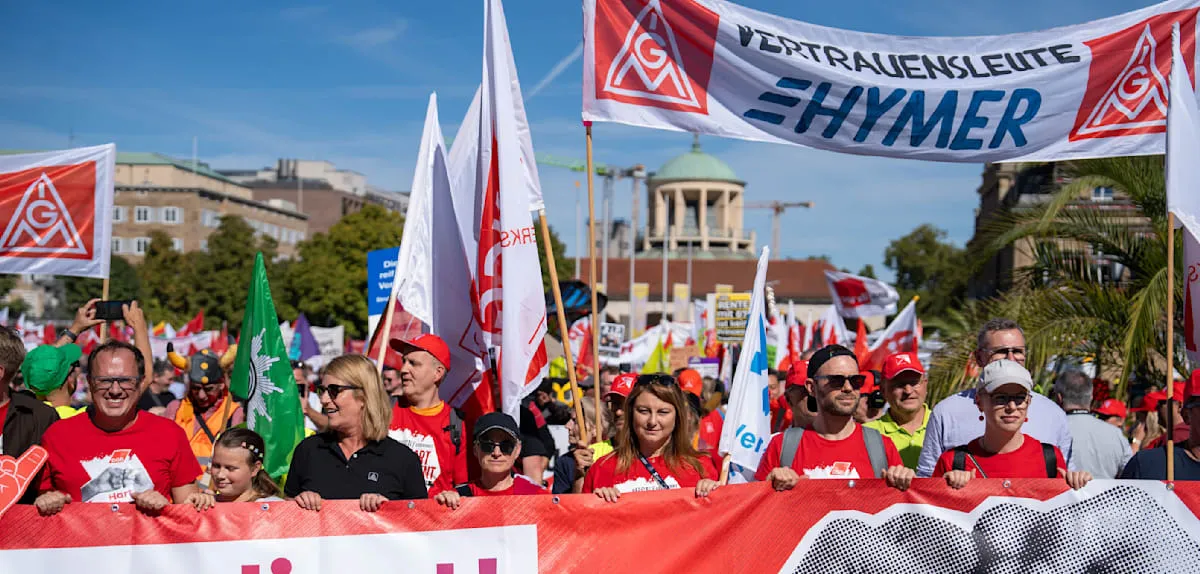
BERLIN – Hundreds of thousands of German citizens flooded the streets of 15 major cities, loudly protesting against social cuts policies and urging the federal government to guarantee social security, decent working conditions, and pension stability. This massive demonstration, which drew approximately 175,000 participants in 2026, became a sharp focus for the ruling cabinet in Berlin.
The main organizer, the German Trade Union Confederation (DGB), asserted that these protests are a serious push on the government. They demand concrete responses to public concerns regarding the future of social welfare. The DGB stated that this pressure is crucial to protect the well-being of millions of workers and pensioners.
However, the DGB's demands immediately drew sharp criticism from various employer associations. They argued that such demands are unrealistic amidst complex global economic challenges and could hinder business competitiveness and job creation.
The federal government, currently led by a coalition facing various challenges, is now under dual pressure. They must balance public demands for social protection with business sector concerns about economic burdens. This situation reveals German democracy on the brink of a crisis of confidence if not addressed promptly.
These protests are not an isolated phenomenon. Over recent months, sentiments of dissatisfaction with the government's economic and social policy direction have peaked. Concerns about rising inflation and the cost of living also served as primary triggers for mass participation.
One demonstrator in Hamburg, Anneliese Schmidt (58), expressed her disappointment. We worked hard all our lives, paid our taxes. Now, we see our old-age security threatened. This is not justice, she said with a trembling voice.
In Munich, a young worker named Max Fischer (29) added, We are fighting for a better future. We want secure jobs, fair wages, and assurance that when we retire, we will not live in poverty.
The scale of the demonstrations, spanning 15 cities, indicates the widespread support and depth of concern across various segments of German society. From Berlin to Stuttgart, from Cologne to Dresden, the voice of the people united to demand change.
German national media has covered these events extensively, highlighting the tension between trade unions, the government, and employer sectors. Some analyses even indicate potential shifts in the political landscape if the government fails to respond effectively to these demands.
This situation places the Chancellor in a difficult position, where strategic decisions must be made to de-escalate social tensions without sacrificing the nation's fiscal stability. Dialogue among all stakeholders is crucial to achieving sustainable solutions.
Editorial Insight: This wave of demonstrations reflects the deep-seated anxiety of the German populace regarding their economic future and social security. The federal government now faces a critical dilemma: how to meet the demands of an aging population and a pressured working class, while simultaneously maintaining fiscal discipline and an attractive investment climate. Failure to address these calls could deepen public distrust and potentially trigger greater political upheaval.