 Chandra Wijayanto

BERLIN — Deutsche Bahn, Germany's national railway operator, announced a controversial plan in early 2026 to ban the consumption and sale of alcohol at all train stations under its management. This policy, claimed to enhance public order and safety, immediately triggered a wave of skepticism from various circles, including media and policy experts.
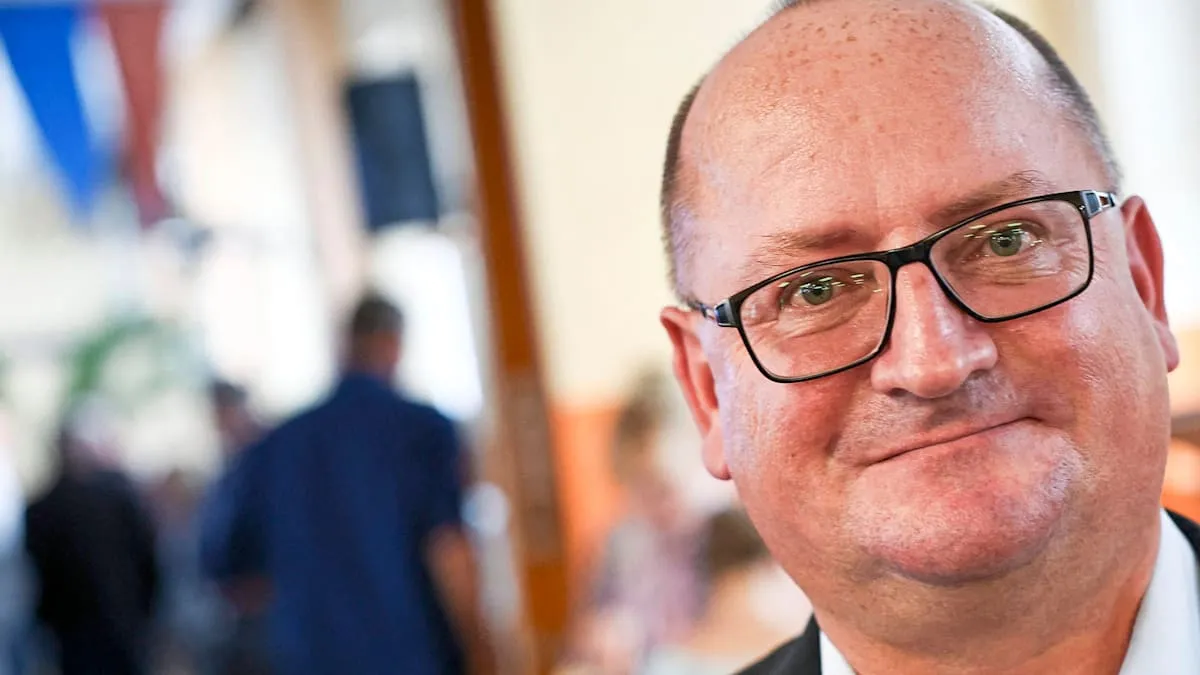
Rejection and questions regarding the policy's effectiveness emerged, especially considering the track record of previous enforcement efforts related to illegal substances. Dominik Göttker, a prominent editorial board member of "Der Westen" newspaper, openly voiced his doubts.
"Why should we trust the railway now, if they haven't even managed to deal with hard drugs effectively?" Göttker asserted, as quoted by national media, highlighting inconsistencies and implementation challenges that have occurred. This statement forms the basis of his criticism against Deutsche Bahn's new proposal.
He continued, "I feel that there is a tendency here to oscillate between reactive activism and symbolic politics." Göttker's sharp critique indicates that this alcohol ban policy might lean more towards a symbolic response rather than a measurable, practical solution, lacking a strong implementation foundation.
This initiative to ban alcohol at train stations comes amidst increasing public concern for safety in public spaces. While well-intentioned, many fear that without a comprehensive approach, such a partial ban will only shift problems to other areas without fundamentally resolving them.
History shows that enforcing similar bans in other public places often faces significant obstacles. Passengers and the general public have grown accustomed to the availability of alcoholic beverages at station facilities, making this change a rather drastic cultural adaptation.
Social observers argue that the root causes of anti-social behavior linked to alcohol need to be addressed through a multi-sectoral approach. This includes education, mental health support, and consistent law enforcement, not just a singular ban.
The policy also has the potential to create economic impacts on retailers and restaurants operating within station areas. Alcohol sales often constitute a significant portion of their revenue, so this ban would require substantial business model adjustments.
Deutsche Bahn has not yet detailed the enforcement mechanisms and penalties for violators. This lack of information further reinforces public concerns about the seriousness and effectiveness of implementing the alcohol ban policy at stations.
Critical questions also arise regarding the resources to be allocated for monitoring thousands of train stations across Germany. Given the extensive network and operational complexity, this task is deemed unrealistic without significant investment in human resources and technology.
German society, known for its open social culture, holds diverse views on alcohol consumption. A total ban in public spaces could be perceived by some citizens as an infringement on personal freedom.
Amidst this debate, the German federal government, through the Ministry of Transport, has not issued an explicit official statement regarding its support or objection to Deutsche Bahn's initiative. This leaves room for speculation about coordination between the state-owned company and government authorities.
Some parties suggest that Deutsche Bahn learn from the experiences of other countries that have implemented or revoked similar policies. In-depth evaluation of social and economic impacts is crucial before this policy is widely enforced in 2026.
Responding to public doubts, a Deutsche Bahn spokesperson previously stated that this measure is part of ongoing efforts to create a safer and more comfortable station environment for all passengers. However, this explanation has not fully alleviated skepticism.
Issues related to hard drugs, as mentioned by Göttker, add another layer of complexity to this discussion. If law enforcement against clearly illegal substances still faces challenges, skepticism towards enforcing a comparatively "lighter" alcohol ban becomes highly justified.
With the 2026 elections approaching, public policies like this could also be used as a campaign platform or, conversely, become a political boomerang for affiliated parties. The Green Youth Wave in Germany Against the Far Right Ahead of the 2026 Elections shows the sensitive political dynamics in Germany.
The wave of public aspiration and media views, as voiced by "Der Westen," will be a determining factor for the success or failure of this Deutsche Bahn policy. Transparency and constructive dialogue are key.
For additional context, debates about the role of state institutions in regulating social behavior are not new in Germany. Issues such as questioned cultural budgets at the Goethe-Institut or ideological resistance against far-right parties also reflect a dynamic public debate landscape.
The public awaits further clarification from Deutsche Bahn regarding the implementation strategy and impact assessment of this policy. Without it, the alcohol ban initiative at German train stations in 2026 risks becoming just another heated debate without sustainable solutions.