 Dodi Irawan
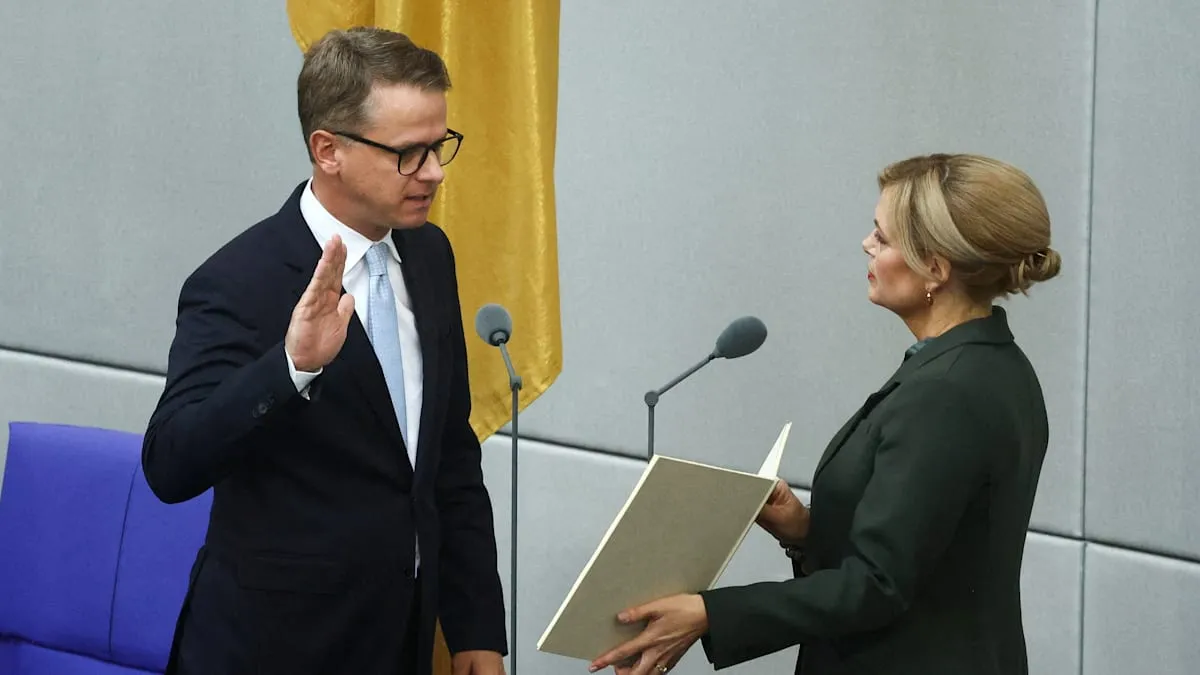
BERLIN – The Bundestag, Germany's federal parliament, in 2026 officially welcomed three new faces who will fill key positions within the cabinet. Steffen Bilger and Carsten Linnemann were formally sworn in as Minister of Transport and Minister of Health, respectively, while Nina Warken assumed responsibility as Federal Minister for Special Tasks. This swearing-in marks a strategic step by the German government amidst evolving political dynamics and global challenges.
This cabinet reshuffle is seen as an effort to strengthen the government's capacity to address crucial issues. The transport sector faces challenges of infrastructure modernization and energy transition, while health continues to grapple with system reforms and pandemic preparedness.
The swearing-in ceremony took place in a solemn atmosphere in the main chamber of the Bundestag, witnessed by members of parliament and high-ranking state officials. This process reaffirms the commitment of the new ministers to carry out the mandate of the German people with integrity and dedication.
Steffen Bilger, previously known as an experienced politician from the Christian Democratic Union (CDU), will now lead the Ministry of Transport. His appointment is expected to bring a fresh perspective in tackling public transport issues, developing the rail network, and promoting more sustainable mobility solutions.
Meanwhile, the position of Minister of Health has been entrusted to Carsten Linnemann, a figure also with a strong track record in the CDU. Germany's health sector faces significant pressures, ranging from a shortage of medical personnel to the digitalization of services. Linnemann is expected to formulate responsive and future-oriented policies.
Nina Warken, in her capacity as Federal Minister for Special Tasks, will have a flexible yet strategic role. This position is often used to coordinate cross-ministerial projects or address urgent issues requiring direct attention at the federal level.
The appointment of these three new ministers occurs amid speculation regarding changes in Germany's political climate. Some political analyses indicate a shift in voter preferences, as seen in election results in certain states. This phenomenon may push the government to demonstrate more concrete and responsive performance through cabinet refreshment.
The cabinet's performance under Chancellor Olaf Scholz will continue to be under scrutiny, especially with these new faces. The public holds high hopes that the ministers can quickly adapt and make tangible contributions to Germany's progress.
The integration of these three new ministers is expected to bring fresh impetus and efficiency to the implementation of government programs. The focus on transport and health reflects key priorities in Germany's national development agenda for the coming years.
Editorial Insight: This 2026 German cabinet reshuffle is not merely a personnel change but a reflection of political adaptation to contemporary challenges. The appointment of new figures in vital ministries such as transport and health indicates a serious effort by the Scholz government to demonstrate responsiveness and capability in meeting increasingly high public expectations. The presence of a minister for special tasks also emphasizes the urgency of addressing complex cross-sectoral issues, while also showing flexibility in the governmental structure. These developments warrant close observation as indicators of Germany's future policy direction.