 Robert Andrison
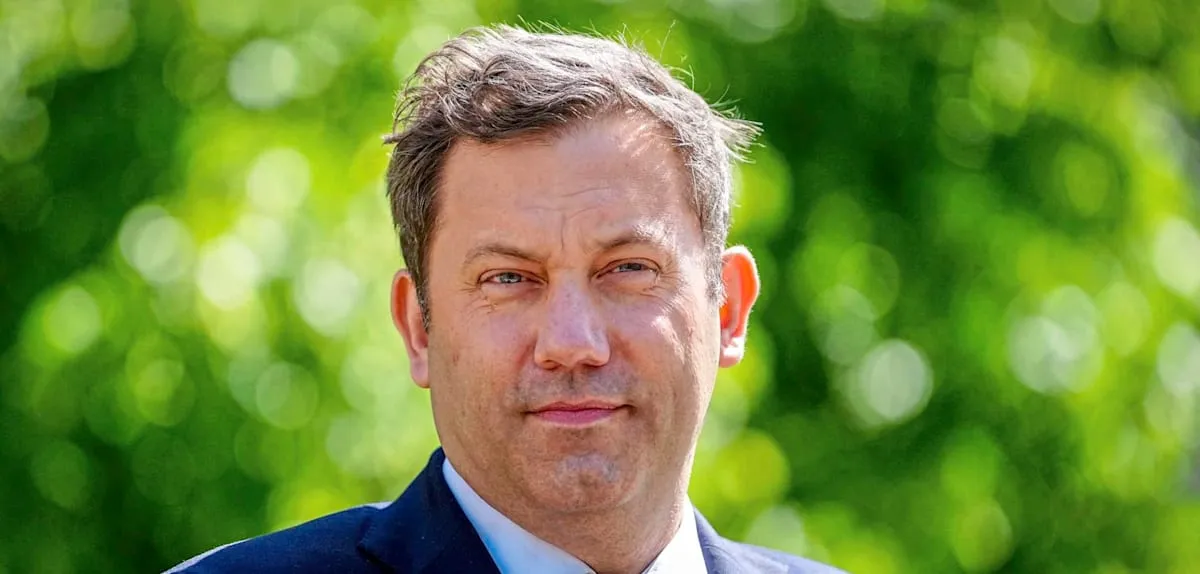
BERLIN – The German government, through Federal Finance Minister Christian Lindner, is drafting a controversial tax proposal that could severely impact thousands of non-profit organizations and voluntary initiatives nationwide. This draft law, which aims to abolish the 5,000 euro tax-free allowance for economically active associations, has been dubbed a “fatal signal” and drawn sharp criticism from the opposition Union faction (CDU/CSU), who accuse it of being a direct assault on the spirit of voluntary work.
This planned tightening of tax policy is now a major focal point in Germany's political and social landscape in 2026. If implemented, these changes would significantly burden the operations of organizations that have traditionally relied on tax exemptions to fund their activities.
The Union, comprising the CDU and CSU parties, has not remained silent. They view this move as a severe blow to the core values of German society, which champions active citizen participation in various social endeavors. Union politicians assert that this proposal is not merely a fiscal adjustment but an attempt to weaken the voluntary sector.
“This is a fatal signal that directly threatens the very fabric of our society,” stated a Union spokesperson, referring to the tax plans widely associated with ideologies championed by figures like Lars Klingbeil, co-leader of the Social Democratic Party (SPD). This criticism underscores the ideological polarization within the ruling coalition.
`Ehrenamt`, or voluntary work, forms the backbone of numerous social, cultural, and sports initiatives in Germany. From local sports clubs and cultural associations to humanitarian aid groups, all rely on voluntary contributions and financial support often derived from small-scale economic activities now facing new taxation.
The abolition of the 5,000 euro tax-free allowance means these organizations would have to pay tax on every euro of their economic income, regardless of size. This is feared to increase administrative and financial burdens, especially for smaller organizations with limited resources.
Many voices express concern that this policy will force several small associations to scale back activities or even cease operations. “For most small clubs, minor economic activities like selling food at events or festivals are vital ways to maintain operational continuity,” an NGO activist from Hamburg remarked.
Amidst this heated debate, the “traffic light” governing coalition (SPD, FDP, and Greens) must clarify the rationale behind this proposal. Is its aim to plug budget deficits or to ensure “fairness” in the tax system? These questions become crucial in the political year 2026.
Critics also point out potential inconsistencies. On one hand, the government calls for increased civic participation, while on the other, it complicates the operational space for organizations that facilitate such participation. This situation reflects the complexity of German policymaking, as highlighted previously in the context of national security. Read more: Germany in a Security Emergency? Historian Wolffsohn: 'We Live in a Dream World!'
The long-term implications of this change may not be limited to the non-profit sector but could also affect the overall quality of life. Many local communities depend on services and activities provided by these associations, from elder care to children's education.
The history of taxation in Germany has always sought to balance the state's fiscal needs with support for the social sector. This shift, if enacted, would be one of the most significant changes in decades affecting `Ehrenamt`.
Members of the Union faction have explicitly voiced their rejection, asserting they will fight in parliament to preserve tax privileges for non-profit organizations. This firm stance aligns with their positions on other political issues, as reflected in party decisions. Learn more: CDU Federal Bans AfD Coalition in Saxony-Anhalt: A Firm Stance
With parliament currently considering this draft law, the future of thousands of non-profit organizations and the spirit of voluntary work in Germany now hangs in uncertainty. The final decision will reflect the government's priorities amidst the economic challenges of 2026.
Editorial Insight: This tax proposal is not merely a fiscal policy; it is a battle of values. The government must carefully weigh the potential increase in state revenue against the social impact it might cause. Overlooking the vital contributions of the non-profit sector could lead to an erosion of social cohesion and the loss of essential services that have been sustained by the spirit of voluntarism—a loss far greater than any financial gain obtained.",
"excerpt": "Menteri Keuangan Federal Jerman mengusulkan pengetatan pajak bagi organisasi nirlaba, memicu kemarahan fraksi Union yang menyebutnya serangan fatal terhadap gerakan kesukarelaan.