 Angela Stefani
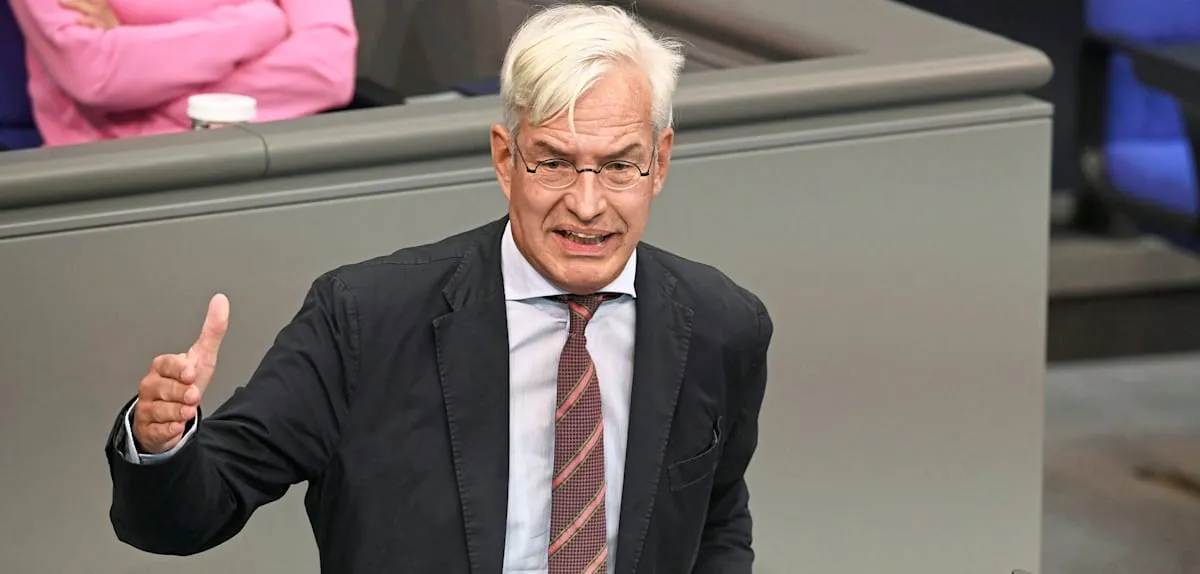
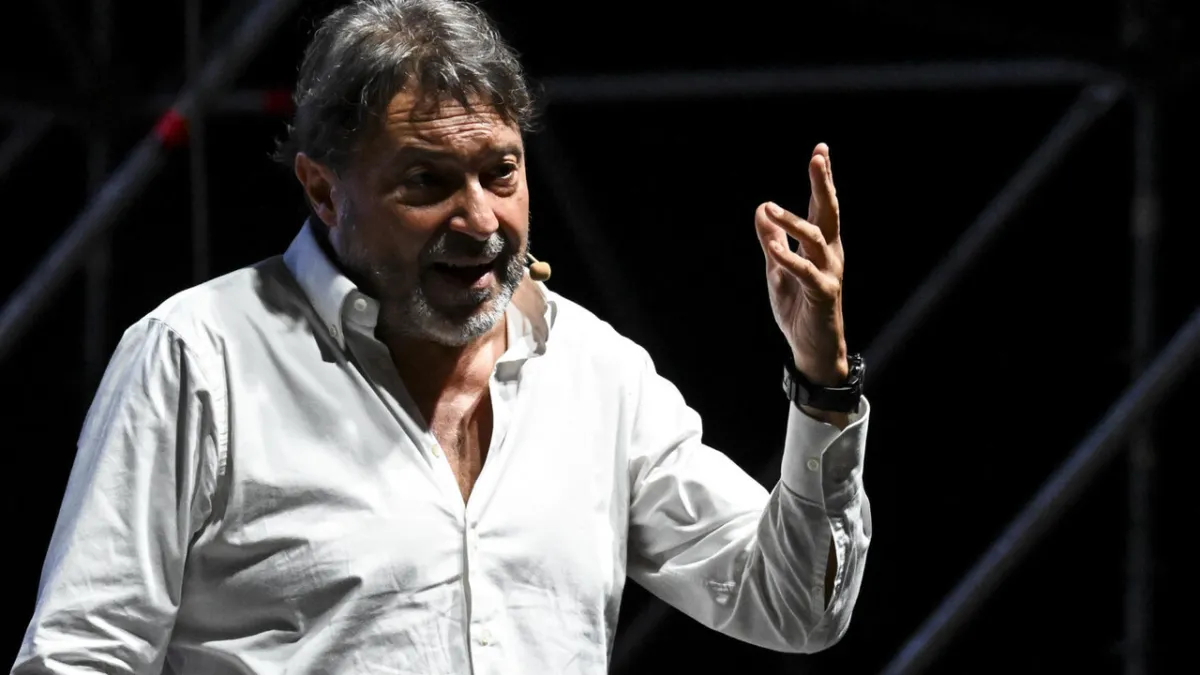
BERLIN – The Deputy Chairman of the Union parliamentary group in the Bundestag, Mathias Middelberg of the CDU party, issued a strong warning regarding Germany's fiscal condition ahead of the 2026 budget deliberations. He highlighted the state's reliance on borrowing, which has now reached alarming levels: for every three Euros spent, one originates from debt.
Middelberg's comments come amidst the tense atmosphere of preparations for a vital budget debate in the German parliament. He explicitly called for much stricter austerity policies to prevent a debt spiral that threatens long-term economic stability.
'We are living very much beyond our means,' Middelberg stated, citing data indicating that the federal budget is increasingly dependent on borrowed funds. This statement has drawn sharp attention, illustrating the precariousness of the nation's financial situation.
The demand for extreme austerity is not without reason. Germany faces significant global and domestic economic pressures. Without disciplined fiscal measures, the budget deficit could swell, burdening future generations with massive debt obligations.
This proposal comes at a time when Germany also faces other challenges related to fiscal and social policies. Previously, the President of Gesamtmetall shook Germany with a request to limit unemployment benefits for a year. Similar issues indicate intense debate on how the country should manage its resources.Presiden Gesamtmetall Guncang Jerman: Batasi Tunjangan Pengangguran Setahun!
Middelberg emphasized that the primary focus must shift from excessive spending towards fiscal consolidation. This includes re-evaluating government programs and improving spending efficiency across various sectors.
This situation adds to the list of concerns about the German economy. Some time ago, German industry also faced serious challenges, with reportedly a third of SMEs relocating production abroad.Eksodus Industri Jerman: Sepertiga UMKM Pindah Produksi ke Luar Negeri
The ruling coalition parties in Germany, especially from the conservative bloc, are expected to provide a concrete response to this call. In-depth discussions on budget priorities and areas for cuts are now a key agenda item.
The federal government must demonstrate a strong commitment to fiscal sustainability. Popular but financially unrealistic policies risk exacerbating an already vulnerable condition.
The consequences of ignoring this warning could be severe, including uncontrolled inflation, a decline in investor confidence, and ultimately, a weakening of Germany's position as Europe's economic locomotive.
Editorial Insight: This strong warning from Mathias Middelberg is not merely political rhetoric, but a reflection of the real fiscal pressures Germany faces in 2026. A reliance on debt amounting to one-third of the budget highlights the need for bold structural reforms. The decisions made during these budget deliberations will determine the direction of Germany's economic stability in the coming decade, potentially affecting the entire European economy.