 Edward DP Situmorang
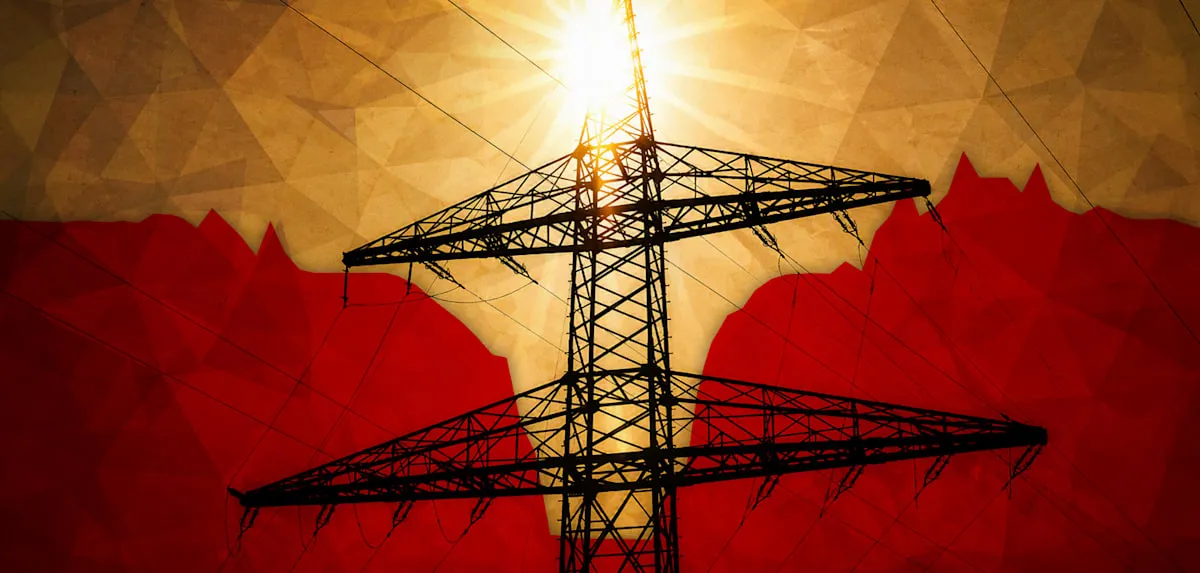
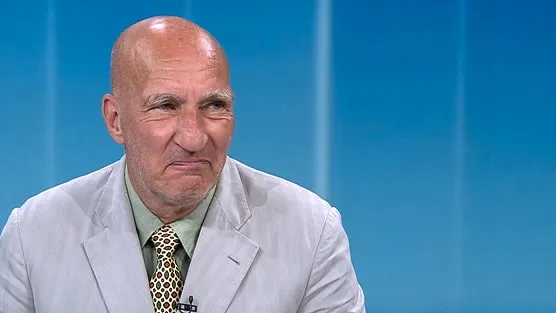
Germany — The phenomenon of negative electricity prices, where consumers are even paid to consume power, is becoming increasingly frequent in Germany. This paradoxical condition, which should be an anomaly, now offers significant financial opportunities for individuals and businesses. Professor Christian Rehtanz, a leading energy scientist from the Technical University of Dortmund, explains that the surplus supply of renewable energy and limitations in grid infrastructure are both the root of the problem and a source of potential, often unnoticed, profit.
Electricity oversupply occurs when energy production from renewable sources like wind and solar exceeds demand. This often happens during specific hours, especially when the weather is sunny and windy, and industrial demand is low. This situation compels grid operators to lower prices, even to negative levels, to balance supply and demand and prevent overload on the system.
"A lot of money can be made from this situation," stated Professor Rehtanz in an exclusive interview in early 2026. He highlighted that market mechanisms are designed to prevent grid collapse due to oversupply. When prices turn negative, it indicates that the system needs to 'release' excess power and provide incentives for more electricity to be consumed.
Large industrial players, for instance, have long taken advantage of these conditions. Factories with advanced energy storage facilities or flexible production processes can ramp up their operations when electricity prices fall below zero. They not only avoid electricity costs but actually receive payment for every kilowatt-hour they use, creating an appealing new business model.
However, these opportunities are not limited to the corporate sector. Professor Rehtanz emphasizes that households and individuals can also participate in these gains. The key lies in adapting technology and adopting smart consumption behavior. The development of smart devices and home energy management systems now makes this increasingly possible.
For example, electric vehicle (EV) owners can schedule their battery charging during periods of negative prices. With applications connected to the energy market, vehicles will automatically begin charging when electricity prices reach a beneficial threshold. The same applies to other high-power household appliances such as washing machines, dryers, or water heating systems.
Furthermore, household battery storage is becoming an increasingly relevant investment. These systems allow individuals to store electricity when prices are negative or very low, then use it or even sell it back to the grid when prices return to normal or high. This is not merely about saving but an active strategy within the energy market.
Nevertheless, challenges remain. Limited transmission grid capacity continues to be a major obstacle in efficiently distributing energy from production areas to consumption areas. Significant investments in modernizing and expanding grid infrastructure are crucial steps to address this imbalance across Germany.
The German government and the European Union continue to push for an energy transition towards sustainability. The phenomenon of negative electricity prices is a complex indicator of progress in renewable energy production, as well as a challenge in grid management. This prompts further discussion on the energy policies and market regulations needed to optimize the system.
Professor Rehtanz predicts that the frequency and duration of negative price periods will continue to increase with growing renewable energy capacity. "This is no longer just an anomaly, but part of the energy market's evolution," he stated. Therefore, the ability to adapt and capitalize on price fluctuations will become a competitive advantage for anyone involved in the energy ecosystem.
Public education on how energy markets work and the potential benefits of negative prices is also crucial. Many consumers are still unaware of these opportunities or how technology can help them actively participate. Effective information campaigns are needed to empower the public.
Several start-up companies in Germany have begun offering services that automatically optimize household electricity consumption based on real-time energy price data. These services remove complexity for end-users, allowing them to enjoy the benefits without manually monitoring the market.
Innovations in energy storage technology, such as new-generation batteries and green hydrogen, are also expected to play a significant role in stabilizing the grid and reducing the frequency of extreme negative prices. With the ability to store energy at a large scale, excess supply can be managed more effectively.
Ultimately, the negative electricity price situation in Germany is not a sign of failure, but a reflection of the ongoing energy paradigm shift. It is a challenge that, if managed wisely through technological innovation and appropriate policies, can pave the way for a more efficient, sustainable, and profitable energy system for all stakeholders.