 Angel Doris
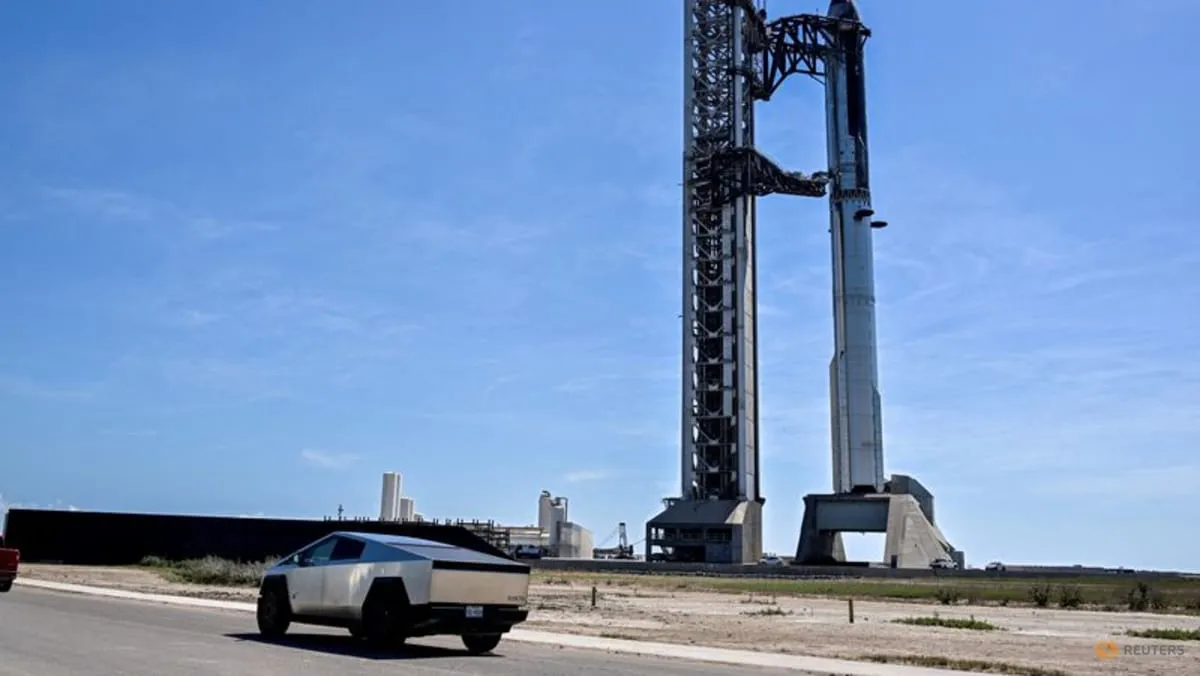
WASHINGTON – Two innovation giants led by visionary Elon Musk, SpaceX and Tesla, have reportedly appointed five directors to initiate discussions regarding a potential strategic merger between the two entities. This crucial information, as reported by the Financial Times, has sparked a wave of speculation among investors and industry observers concerning the future of the aerospace and electric automotive sectors in 2026.
The appointment of these directors marks the first concrete step towards a possible unification of two companies with multi-trillion-dollar market capitalizations. This decision could fundamentally alter the global technology landscape, creating an unparalleled conglomerate in space exploration, sustainable transportation, and even artificial intelligence.
The identities of the five directors entrusted with this significant task have not been publicly disclosed. However, their role will be critical in examining the structure, operational synergies, regulatory challenges, and complex financial valuations before any potential agreement can materialize.
A merger between SpaceX, a leader in rocket and satellite technology, and Tesla, a pioneer in electric vehicles and renewable energy, would unlock boundless opportunities. Synergies between Tesla's advanced battery technology and SpaceX's energy needs for space missions, or even the integration of Tesla's AI into autonomous spacecraft systems, could drive revolutionary innovations.
The market responded to this news with cautious enthusiasm. While the potential gains are substantial, the complexity of integrating two companies with distinct cultures and missions requires careful navigation. Investors will closely monitor every development from the appointed board of directors.
Billionaire Elon Musk, who serves as CEO of both companies, has long articulated his long-term vision to advance humanity into a multi-planetary civilization and accelerate the world's transition to sustainable energy. This merger initiative can be seen as a strategic effort to consolidate resources and expedite the achievement of these ambitious goals.
However, a merger of this magnitude is not without obstacles. Antitrust regulatory bodies in the United States and the European Union are likely to scrutinize the deal thoroughly to ensure no monopolistic practices harm market competition. Regulatory approval remains one of the biggest hurdles to overcome.
Furthermore, challenges related to corporate culture and the integration of employees from two large entities will also be key to success. SpaceX is known for its aggressive, mission-oriented innovation culture, while Tesla focuses on mass product engineering and manufacturing efficiency.
Analysts foresee significant cost efficiencies through consolidated supply chains, joint research and development (R&D), and optimized human resources. Technological convergence could create new, previously unimagined products and services, from space mobility to integrated energy solutions on Earth.
This report reaffirms Elon Musk's position as one of the most influential innovators in the technology world, similar to other visionary leaders like Jensen Huang of Nvidia, who is also frequently in the spotlight. Jensen Huang's return to lead Nvidia demonstrates that the market often places great trust in visionary leaders.
The upcoming merger negotiations are expected to be one of the most compelling business stories of 2026. The outcome of the five directors' discussions will determine whether Musk's vision for an integrated technology conglomerate becomes a reality, or if these two giants will continue to sail independently with their respective objectives.
Editorial Insight: The potential merger between SpaceX and Tesla is not merely a consolidation of two companies, but a fusion of two grand dreams that could reshape the future of civilization. If successful, this new entity would possess unprecedented bargaining power and innovation capabilities, potentially dominating not only on Earth but also in space. However, the scale and complexity of this deal, coupled with strict regulatory oversight, make the journey towards unification fraught with challenges. The merger's success will hinge on the board's ability to strategically navigate legal, financial, and cultural aspects.