 Robert Andrison
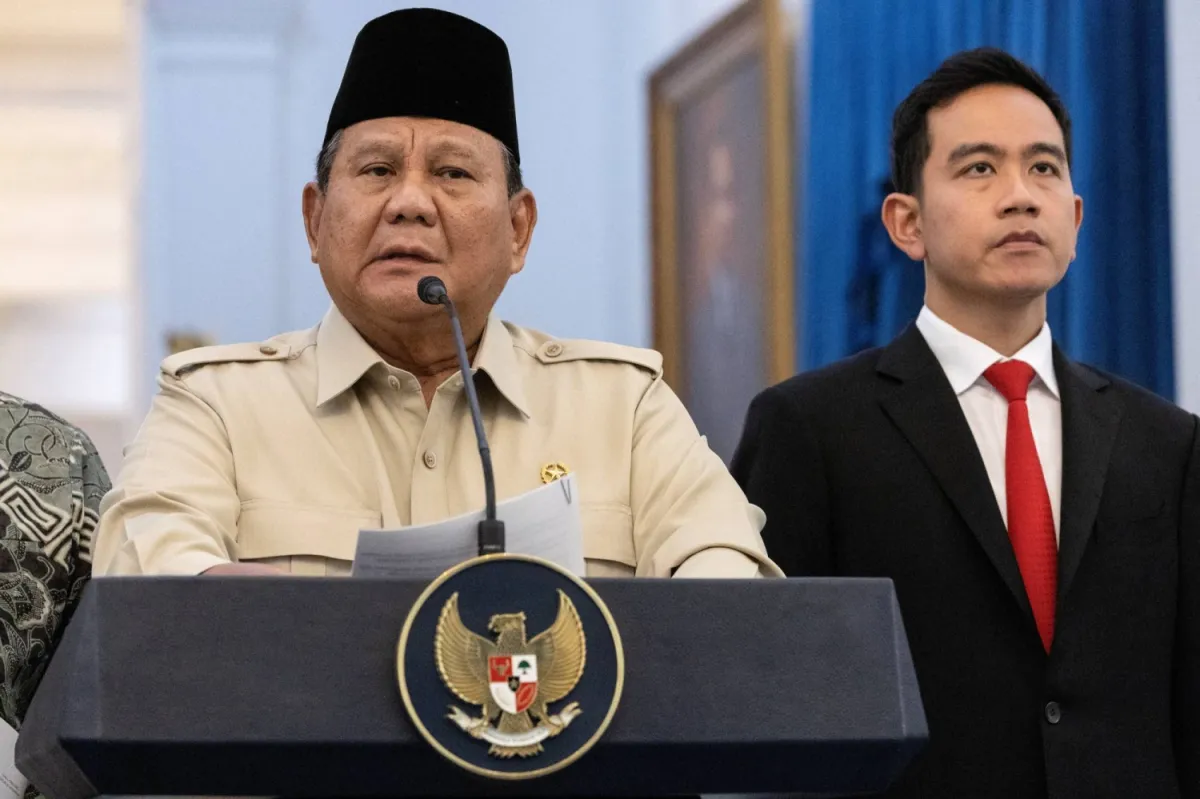
JAKARTA – Indonesian President Prabowo Subianto, since taking office in 2026, has reportedly been increasingly asserting his mark on the government, strategically diminishing the influence of his predecessor's era, Joko Widodo. This move includes a reorganization of power structures that indirectly impacts the position and role of Gibran Rakabuming Raka, former President Joko Widodo's son, who was previously expected to hold a central role in national politics.
The political maneuvers unfolding in recent months strongly indicate President Prabowo's desire to establish his leadership identity independently. Various strategic policies and decisions he has made clearly show a different direction from the previous administration, thus accelerating the transition away from the shadow of the Joko Widodo era.
Analysis from several political observers in Jakarta highlights that this shift is part of the common power consolidation occurring at the beginning of a new administration. However, the speed and assertiveness in positioning himself demonstrate Prabowo's determination to build the foundation of his government without significant external intervention.
This decision is believed not merely to concern individuals, but rather a fundamental effort to form a cabinet and policies fully aligned with President Prabowo's vision and mission. Some concrete steps already observed include the restructuring of ministries and state institutions, as well as the appointment of key officials who exhibit high loyalty to his leadership vision.
One of the most striking indicators is the change in decision-making dynamics. Internal sources within the State Palace indicate a shift in focus from figures associated with the previous era towards a new core team formed by President Prabowo. This creates a political landscape more centered on the current leadership.
Gibran Rakabuming Raka, previously a spotlight figure and subject of speculation regarding his political future, is now reportedly facing new challenges in adapting to the changing architecture of power. Although there has been no official statement of dismissal, his role within the inner circle of power is reportedly significantly reduced.
Some interpret this as a strong signal that President Prabowo does not wish his administration to be intertwined with interests or political legacies that do not fully align with his agenda. This forms part of a 'clean-up' strategy to ensure all governmental elements move under a single command.
This shift has also drawn various reactions from across the political spectrum. Some view Prabowo's move as historical inevitability and an effort to fully legitimize his popular mandate. Others voice concerns about potential further political polarization if this transition is not managed wisely.
Nevertheless, the prevailing narrative in the media and public discourse tends to understand that President Prabowo is building momentum to realize his campaign promises. The speed of these reforms is seen as an attempt to promptly deliver tangible results to the public, who have placed great hopes in his leadership.
Amidst these dynamics, political and economic stability in Indonesia remains a top priority. The government is focusing on increasing investment, strengthening infrastructure, and bureaucratic reform, alongside efforts to reshape the internal structure of national leadership.
President Prabowo's steps, while firm, are conducted within the existing constitutional and legal framework. This is crucial for maintaining the government's image and credibility in the eyes of both the domestic public and the international community.
Observers are now awaiting the long-term impact of this 'clean-up' policy on the stability of the ruling coalition and the national political map. Will it strengthen Prabowo's position, or will it lead to new upheavals? These questions are central to contemporary political analysis.
Editorial Insight: President Prabowo Subianto's move to assert his autonomy from the shadow of the previous era represents a predictable post-election political dynamic. The speed of this transition indicates a strong determination to build his own legacy. However, the effectiveness and public acceptance of this shift will largely depend on how the government communicates its vision and maintains political consensus. While potential internal coalition tensions may arise, a focus on performance and development will be key to long-term success.