 Dorry Archiles
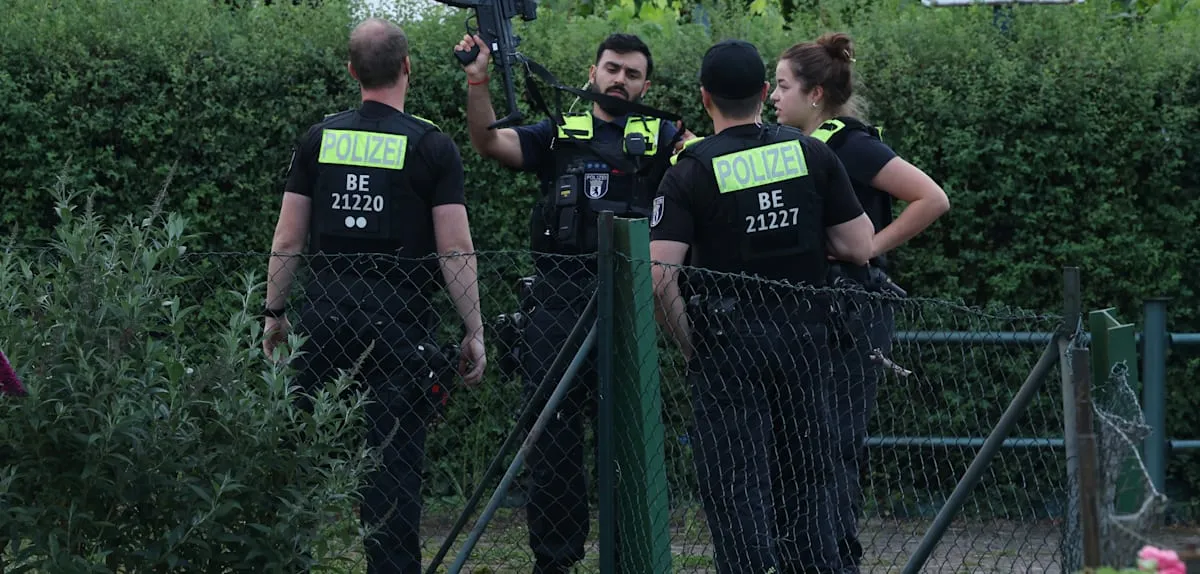
BERLIN — Abdul Ballout, an individual identified as a suspected terrorist and long known to German authorities as an Islamist threat, has reportedly died. Ballout’s death reignites a serious debate concerning the escalation of terrorist dangers ahead of Germany’s election period, a phenomenon experts frequently observe.
The news of Ballout’s demise, the details of which have not been fully officially disclosed, confirms the end of the pursuit for a figure deemed dangerous by German intelligence agencies. Initial information from internal sources indicates that Ballout was one of the primary fugitives linked to the terror incidents or threats that haunted the CSD (Christopher Street Day) Berlin celebrations in 2026, an event that deeply shook the capital. Related news about the death of this main fugitive can be read further in the article Chief Fugitive of CSD Berlin Terror Dies in SEK Operation and about the threat in Experts Warn: Islamist Danger Looms in Germany, CSD Security Under Scrutiny.
A prominent terrorism expert, Professor Dr. Hannah Schmidt from the National Security University, offered her perspective. “The threat of terrorism indeed occurs in waves. We observe a clear pattern: its intensity often strengthens ahead of elections, exploiting gaps in polarization or political instability,” she stated in an exclusive interview this morning.
Dr. Schmidt elaborated that extremist groups frequently view crucial political moments as opportunities to create chaos or convey their messages more effectively. “Such situations demand extra vigilance from security forces and the wider public,” she added.
Ballout's background as an individual long on the radar as a 'Gefährder'—a German term for someone potentially capable of politically motivated crimes—raises critical questions about the effectiveness of surveillance systems. Despite being monitored, why did Ballout remain an active threat? The article German Security Scandal: Why Could CSD Terror Suspect Go Free? discusses this issue in more depth.
The German government, through the Ministry of Interior, has not yet issued an official statement regarding the chronology of Ballout’s death. However, this incident adds to the long list of public concerns regarding the state's capacity to address domestic terrorism threats.
Data from the German Federal Office for the Protection of the Constitution (BfV) indicates a significant increase in the number of individuals identified as Islamist Gefährder over the past five years. This figure is estimated to have peaked in 2026, correlating with global geopolitical complexities.
This threat is not merely theoretical. Previous cases, such as attempted attacks on public events or vital infrastructure, have provided tangible proof that the risk remains high. The presence of lone actors motivated by extremist ideologies poses a significant challenge for law enforcement.
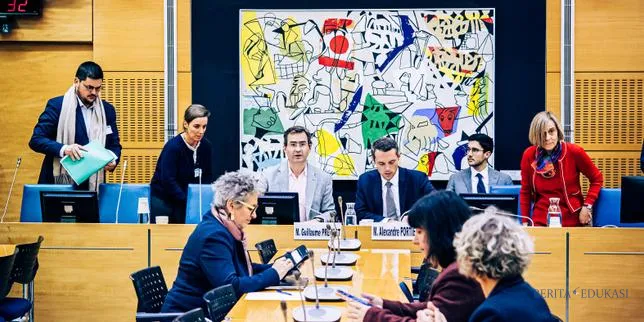
The Parliamentary Control Panel (PKGr) of the German Bundestag is scheduled to hold a closed-door meeting next week to discuss the implications of Ballout's death and strategies for combating Islamist terrorism threats. This discussion is expected to yield concrete recommendations for strengthening national security policies.
Amid preparations for federal and regional elections scheduled for late 2026, security issues have become one of the most sensitive and urgent topics. Political parties are beginning to incorporate anti-terrorism agendas as key points in their campaign platforms.
Politicians from across the spectrum, including Interior Minister Nancy Faeser and CDU Chancellor candidate Friedrich Merz, have called for unity and vigilance. “We must not let fear dictate our lives, but we also must not be complacent about real threats,” Faeser stated recently.
The German public now awaits concrete steps from the government to ensure security during this crucial period. Questions about how to prevent individuals like Ballout from acting, despite being on watchlists, will continue to haunt the country's political and security agenda.
Abdul Ballout's death marks a new chapter in Germany's fight against extremism. However, it also serves as a reminder of the constantly evolving nature of the threat and the need for continuous strategic adaptation from all segments of the nation.