 Dodi Irawan
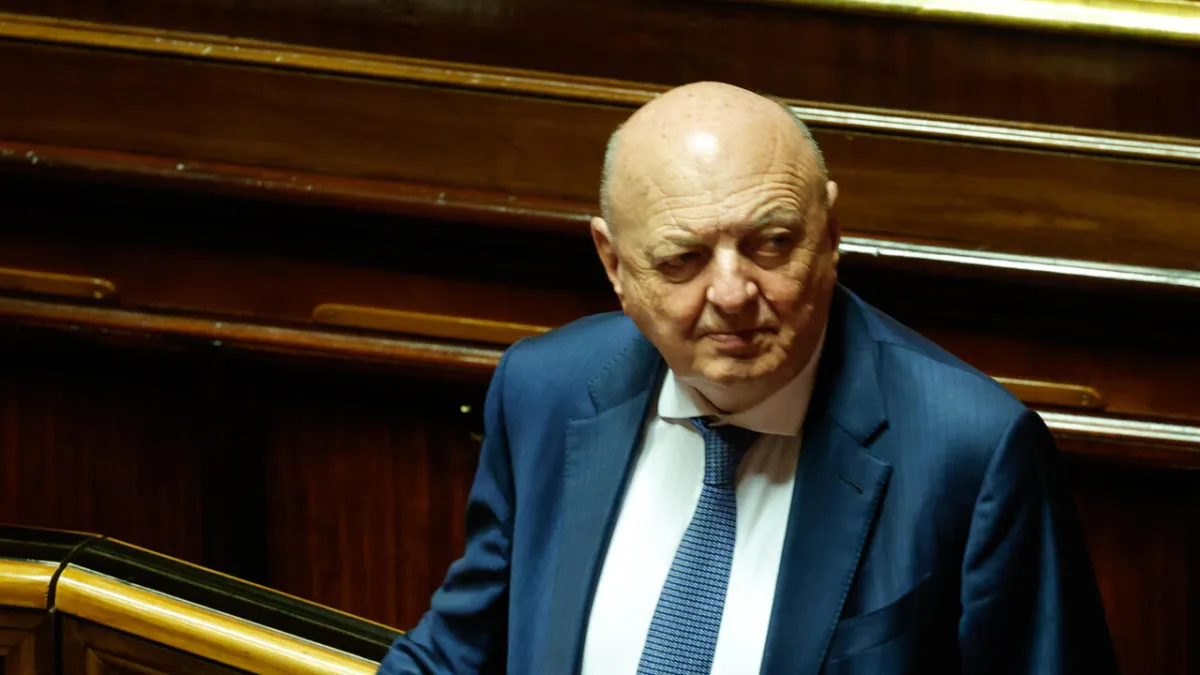
ROME – The government has taken decisive action to address the escalating energy prices burdening households and industries. Gilberto Pichetto, Minister of Environment and Energy Security, announced a 4 to 5 percent reduction in the final price of energy through the newly approved Bills Decree. This policy effectively lessens consumer spending amidst economic challenges in 2026.
This crucial decree emerges as a swift response to public demand for government intervention. With a total fund mobilization reaching 3 billion, the initiative aims to stabilize the energy market and provide direct assistance to millions of citizens facing financial pressure.
Whoever pays 1,000 will now pay 950, Pichetto asserted, illustrating the tangible impact of the policy. This statement underscores the government's commitment to ensuring every citizen directly benefits from the energy cost reduction scheme.
The price reduction is expected to create a positive ripple effect, not only easing the burden on households but also enhancing the competitiveness of the industrial sector. Lower production costs can stimulate investment and job creation, driving economic growth.
Similar policies have been a focus of discussion across various European nations, given the persistent global energy crisis. Italy's move could set an important precedent for other countries in formulating strategies to mitigate the impact of energy inflation.
Economists generally welcome this measure, though some emphasize the importance of long-term solutions. They highlight the need for sustained investment in renewable energy to achieve more stable energy independence in the future.
The allocated 3 billion fund does not merely cover direct subsidies but also potential incentives for energy efficiency. The government is evaluating programs that encourage consumers to use energy more wisely, thereby minimizing waste.
This decree is not a standalone policy. The government is currently developing a more comprehensive economic policy package for 2026, encompassing structural reforms and support for strategic sectors.
Debates surrounding the sustainability of such interventions continue in parliament. Opposition factions demand greater transparency regarding funding sources and the long-term effectiveness of this Bills Decree.
Nevertheless, the immediate impact of this 4-5 percent reduction is expected to be felt promptly by the public. The government pledges to continuously monitor policy implementation and remains ready to make adjustments if necessary to achieve maximum objectives.
Editorial Insight: This energy bill reduction policy represents a pragmatic step that instantly alleviates inflationary pressure on consumers. However, its sustainability and impact on the national budget require careful consideration. Ideally, such fiscal policies should be balanced with robust energy transition strategies and resilient infrastructure investments to ensure long-term energy price stability and independence from global market fluctuations.