 Robert Andrison
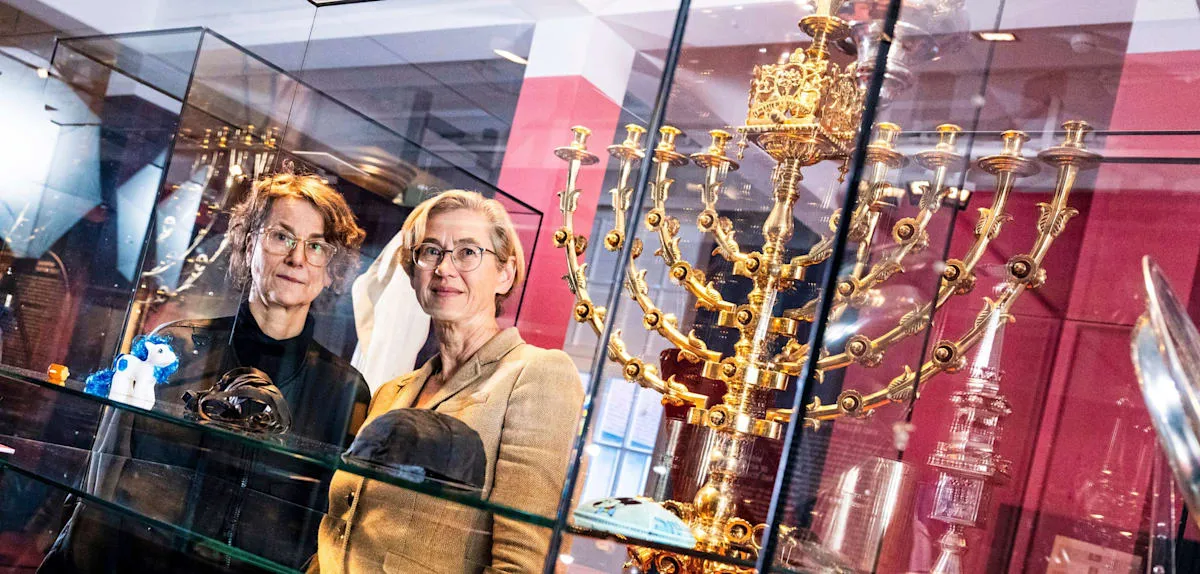
HAMBURG – An extensive exhibition titled Hamburg's Jewish History presented by the Altonaer Museum in 2026 has ignited serious discourse regarding the establishment of a permanent Jewish Museum in this strategically important port city. This cultural initiative not only offers a glimpse into a rich and complex past but also proactively fosters a space for reflection on the future of Jewish heritage in Germany.
The exhibition, open to the public throughout this year, has attracted thousands of visitors from diverse backgrounds, including historians, academics, and the general public. Curators meticulously assembled a variety of artifacts, historical documents, and personal testimonies illustrating the vital role of the Jewish community in shaping Hamburg's identity since the 17th century.
The Head of Hamburg's City Council for Culture, Dr. Klaus Richter, expressed his support for the idea on one occasion. Hamburg has a historical responsibility to preserve and present the complete narrative of all communities that contributed to the city's progress, said Dr. Richter. The exhibition at the Altonaer Museum is a crucial first step, and we must see it as momentum to realize a representative Jewish Museum.
The discourse surrounding the museum's establishment has resonated for decades, but only now has it gained significant traction with public and local government support. Various parties believe it is high time Hamburg possessed an institution specifically dedicated to documenting, researching, and educating the public about the often-overlooked history, culture, and contributions of the Jewish community.
The Altonaer Museum exhibition presents a chronological journey, beginning from the arrival of the first Jewish community in Hamburg, their golden age in trade and culture, through the dark period of the Holocaust, and post-war community reconstruction efforts. The exhibition also highlights intercultural interactions and the Jewish role in the city's economic and intellectual development.
Historians argue that the need for a Jewish Museum is not merely to commemorate tragedy but also to celebrate extraordinary resilience and contributions. This is not just a monument of sorrow, but a dynamic learning center, stated Professor Hannah Goldberg, a Jewish cultural historian from the University of Hamburg. The museum will serve as a bridge between the past and the future, promoting tolerance and understanding in an increasingly diverse society.
Several models of similar museums in other European cities also serve as inspiration in this discussion. Successful examples like the Jewish Museum Berlin or the Jewish Museum Amsterdam are frequently cited as references for effective structure, narrative, and educational approaches.
Despite high public enthusiasm, funding challenges and the determination of a strategic location remain tasks for the city government and project committee. It is estimated that the construction of such a museum will require substantial investment, both from state coffers and private donations.
This project is expected to become a symbol of reconciliation and recognition of a turbulent history. Furthermore, the presence of a Jewish Museum is seen as enriching Hamburg's cultural landscape and attracting tourists with a special interest in history and cultural heritage.
The Hamburg city government is currently forming a special team to assess the feasibility and formulate the master plan for the Jewish Museum's construction. This process involves collaboration among history experts, architects, representatives of the Jewish community, and various other stakeholders to ensure that the museum can adequately reflect the depth and richness of the history it aims to convey.
Editorial Insight: The initiative to establish a Jewish Museum in Hamburg in 2026 is not merely an ordinary cultural project but a strong statement regarding Germany's commitment to confronting its past. Amidst a dynamic global geopolitical landscape and the resurgence of extremist sentiments in some countries, Hamburg's move underscores the importance of historical education and the preservation of collective memory. This museum has the potential to become a beacon of tolerance and an inspiring center for study, transcending city boundaries, and contributing to a global dialogue on diversity and humanity.