 Angela Stefani
ROME — Fuel prices in Italy surged significantly again at the beginning of 2026, following the end of a discount period that previously eased consumer burdens. This spike triggered deep concern from the consumer association Codacons, which explicitly stated that the "discount effect has ended" and warned of "unavoidable price increases."
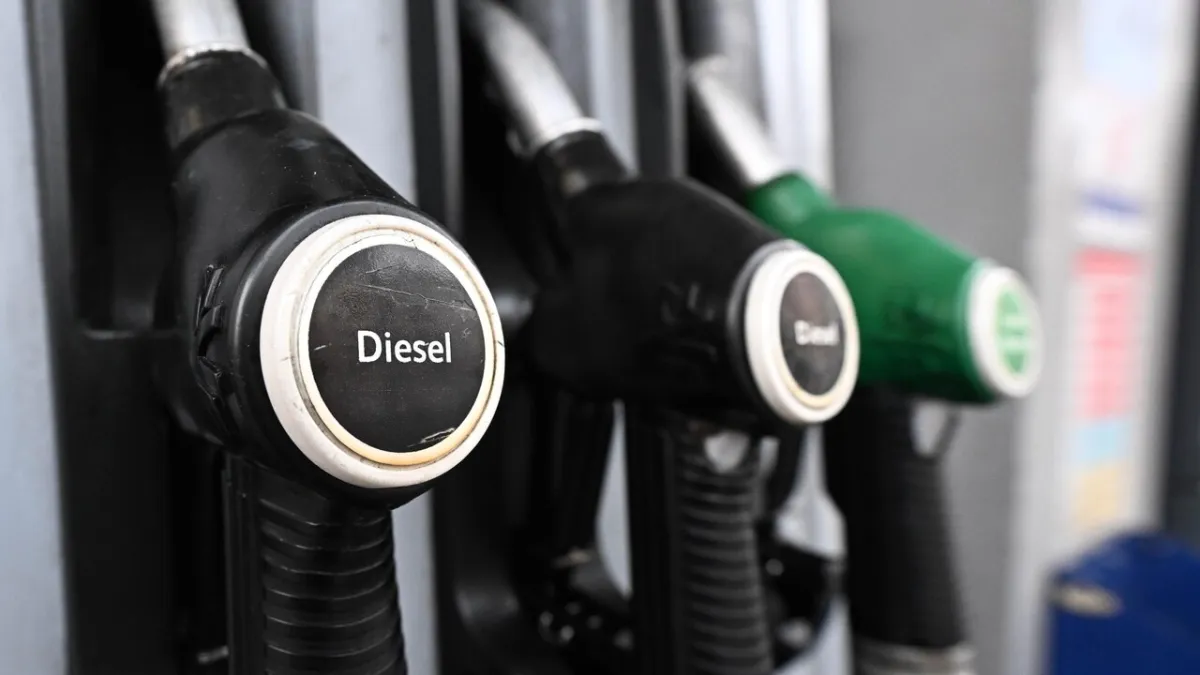
The Ministry of Environment and Energy Security (Mimit) recorded that the average price of diesel, or gasolio, reached 2.080 euros per liter at self-service stations. This figure marks a significant high point, ending a period of price stabilization that the public had experienced recently.
Meanwhile, the price of self-service petrol also saw an increase, hitting an average of 1.995 euros per liter. This situation indicates that the transportation sector, both private and logistics, will face greater operational cost pressures.
Conditions on motorways or highways are even more burdensome. Mimit reported that petrol prices in these areas reached 2.081 euros per liter, slightly higher than diesel prices outside motorways. This price difference further highlights the disparity in burdens for road users.
The statement from Codacons confirms that the fuel price discount policy previously implemented by the government has officially ended. The association argues that without real intervention, the market will naturally push prices back to higher levels, eroding public purchasing power.
"The public cannot continue to bear the burden of these fuel price increases," said a Codacons representative, urging the government to review energy and fiscal policies to protect consumers. Their concern centers on the domino effect that will occur on the prices of other basic necessities.
This increase is not merely a number on a petrol station sign; it represents the potential for economic slowdown. The transportation, agriculture, and manufacturing sectors, which heavily rely on fuel, will feel the direct impact, subsequently affecting the prices of products and services.
Codacons' analysis underscores the urgency of government action. They emphasize that the previous discount period was artificial respiration for household economies and small businesses, and its removal now reopens old inflationary wounds that could worsen.
Private vehicle drivers, couriers, and small logistics companies face a difficult dilemma. They must choose between raising their service rates or eroding already thin profit margins—a tough choice amidst fierce market competition.
This situation also sparks discourse on Italy's energy resilience and its dependence on global crude oil price fluctuations. Without a robust long-term strategy, consumers will continue to be victims of international market dynamics.
Despite government efforts to control inflation through various schemes, the rise in fuel prices presents a unique challenge. It requires a comprehensive approach, not just temporary solutions vulnerable to changes in global market conditions.
Codacons calls for full transparency in price setting and an investigation into potential speculative practices. They believe that strict oversight is key to preventing exploitation amid price volatility.
These fuel price increases place the government under significant public pressure to swiftly formulate sustainable mitigation measures. Without a rapid and effective response, the economic burden on the Italian people in 2026 is predicted to intensify.