 Angel Doris
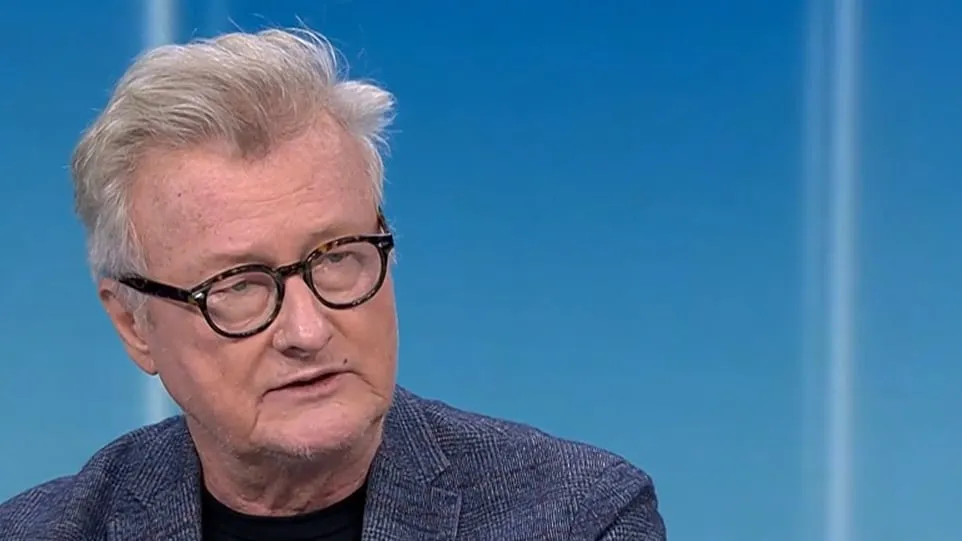
BERLIN – Prominent former columnist Hans-Ulrich Jorges recently offered a sharp analysis of the internal dynamics within Germany's Social Democratic Party (SPD), specifically concerning Hubertus Heil's candidacy for party leader. According to Jorges, Heil's perceived lack of charisma ironically creates a deterrent effect that unexpectedly strengthens Lars Klingbeil's position in the race for party leadership.
Jorges's critique was delivered during the Meine WELT – Meine Meinung segment, a platform known for its candid political reviews. This statement immediately sparked intense discussion among political observers and within the SPD regarding the role of charisma in leadership.
Hubertus Heil, known as an experienced politician and currently serving as the Minister of Labour and Social Affairs, has long been an important figure in the German government. However, public and media perception of his personal appeal has often been a subject of debate.
Jorges indicated that despite a solid track record, Heil fails to display the essential allure required of a party leader in the public eye. This, according to Jorges, creates a 'less captivating' impression compared to other candidates who might share similar visions.
Conversely, Lars Klingbeil, who currently serves as one of the co-leaders of the SPD, is seen as benefiting from this situation. The deterrent effect created by Heil's lack of charisma reportedly makes Klingbeil appear more prominent and better prepared to lead.
This analysis highlights the crucial role of personal charisma in modern politics, especially for a party struggling to regain public trust. In a competitive political landscape, a leader's appeal can be a decisive factor in electability.
Heil's candidacy, which should have been a show of strength, is instead feared to cause fragmentation and doubt among the SPD's base. The big question that arises is whether the party can unify its ranks under a leader whose charisma is questioned.
Klingbeil himself is a relatively younger figure who often displays a more dynamic communication style. The comparison with Heil may further emphasize the differences in leadership characteristics between the two, which is now a major focus.
This situation is not only a test for Heil and Klingbeil personally but also for the entire leadership structure of the SPD. The party needs to re-evaluate its branding strategy and candidate selection to ensure competitiveness on the German political stage.
The debate surrounding Heil's charisma and its impact on Klingbeil will continue to be an interesting topic leading up to internal elections or party congresses. The final outcome will largely determine the direction and future of the Social Democratic Party in Germany.
Editorial Insight: Hans-Ulrich Jorges's comment, though provocative, touches upon a core issue often faced by contemporary political parties: the dilemma between experience and charisma. In an increasingly personalized political era, a leader's ability to inspire and connect with the public is often an invaluable asset. If Jorges's analysis is accurate, the SPD may need to be more careful in weighing how public perception of a candidate can influence internal dynamics and the party's overall electoral projections.