 Dodi Irawan
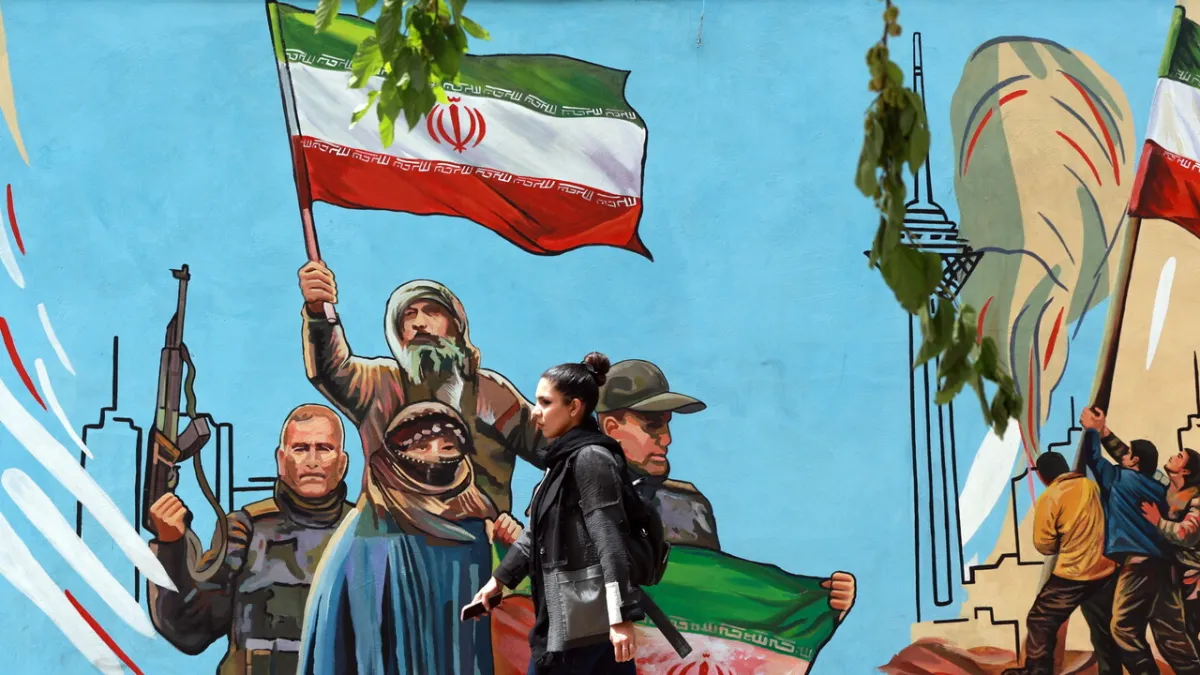
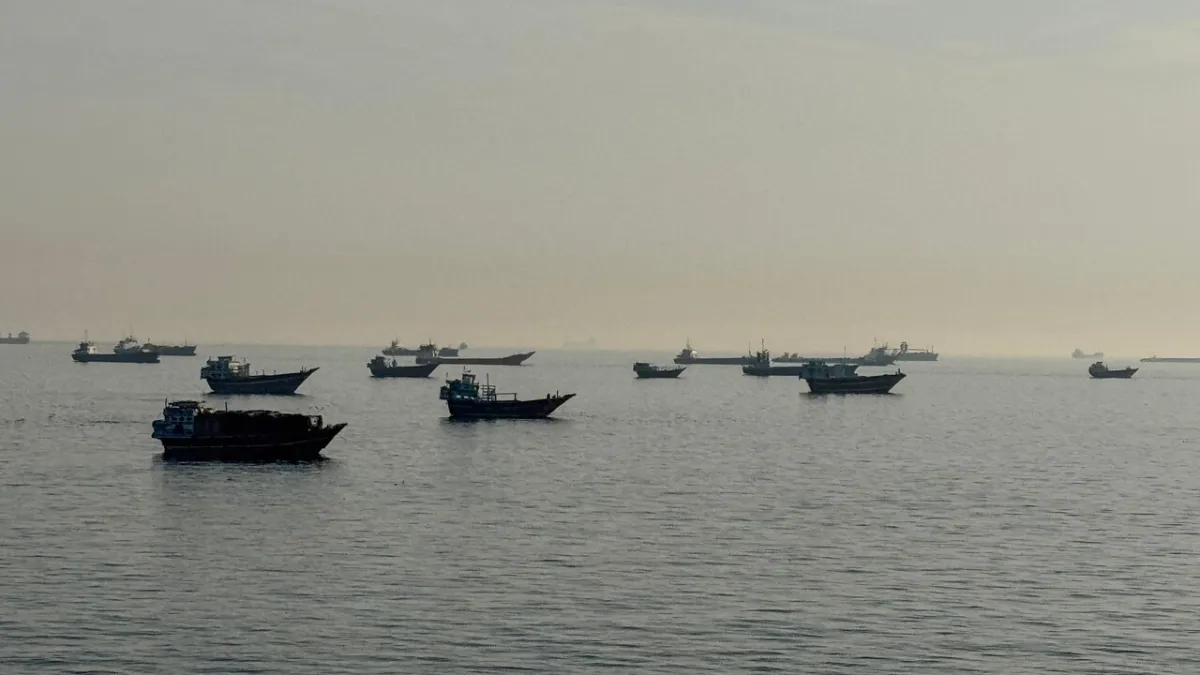
Tehran — Geopolitical tensions in the Middle East have sharply escalated after Tehran openly accused the United States (US) of preparing for a “total conflict” in the strategic region. This serious allegation coincides with an attack on an oil tanker in the Strait of Hormuz, a vital global shipping lane, in 2026.
The attack on the oil tanker immediately sparked global concerns about conflict escalation. Details regarding the type of vessel, its owner, and the extent of the damage are still under thorough investigation by international maritime authorities, but the incident has directly impacted global energy markets.
Iran, through an official statement from its Ministry of Foreign Affairs, claimed that a series of military maneuvers and Washington's rhetoric indicate a grand design to create instability. “We have strong intelligence information that the United States is orchestrating a plan for a comprehensive conflict in this region,” said an unnamed high-ranking Iranian official during a nationally televised press conference.
This accusation highlights the long history of tensions between the two nations, particularly concerning maritime security in the Persian Gulf waters. The Strait of Hormuz is a central focus due to its strategic importance as the primary entry and exit point for oil exports from the Middle East.
However, amidst the heated rhetoric from Tehran, a report by leading international media outlet CNN debunked the possibility of Israeli involvement in the latest attack on the tanker. “There is no indication that Israel will participate in this new attack,” CNN reported, citing unnamed intelligence sources.
This denial is crucial to prevent the conflict from spreading to a wider regional arena, given the sensitive relations between Iran, Israel, and surrounding Arab nations. The involvement of a third party could trigger a chain reaction that would be difficult to control.
The events in the Strait of Hormuz are not the first to cause turmoil. History records several similar incidents, including ship seizures, sabotage allegations, and military exercises displaying power. Every incident in this strait always has the potential to disrupt global energy supplies and economic stability.
The US presidential administration in 2026 has not yet provided an official response to Tehran's specific accusations. However, Washington has previously reaffirmed its commitment to freedom of navigation and maritime security in the Gulf, often accusing Iran of being the provocateur.
International geopolitical analysts warn that the situation is on the brink of dangerous escalation. Serious diplomatic efforts and restraint from all parties are needed to de-escalate tensions and prevent the Middle East from descending into a large-scale conflict. You can read more about this tension in the article US Prepares Major Assault on Iran: Middle East on the Brink of New War 2026.
The international community urges a transparent investigation into the tanker incident. The hope is that objective findings can help alleviate speculation and accusations that could potentially trigger a larger spiral of violence. Global oil price stability heavily depends on the security of vital routes like the Strait of Hormuz.