 Dorry Archiles
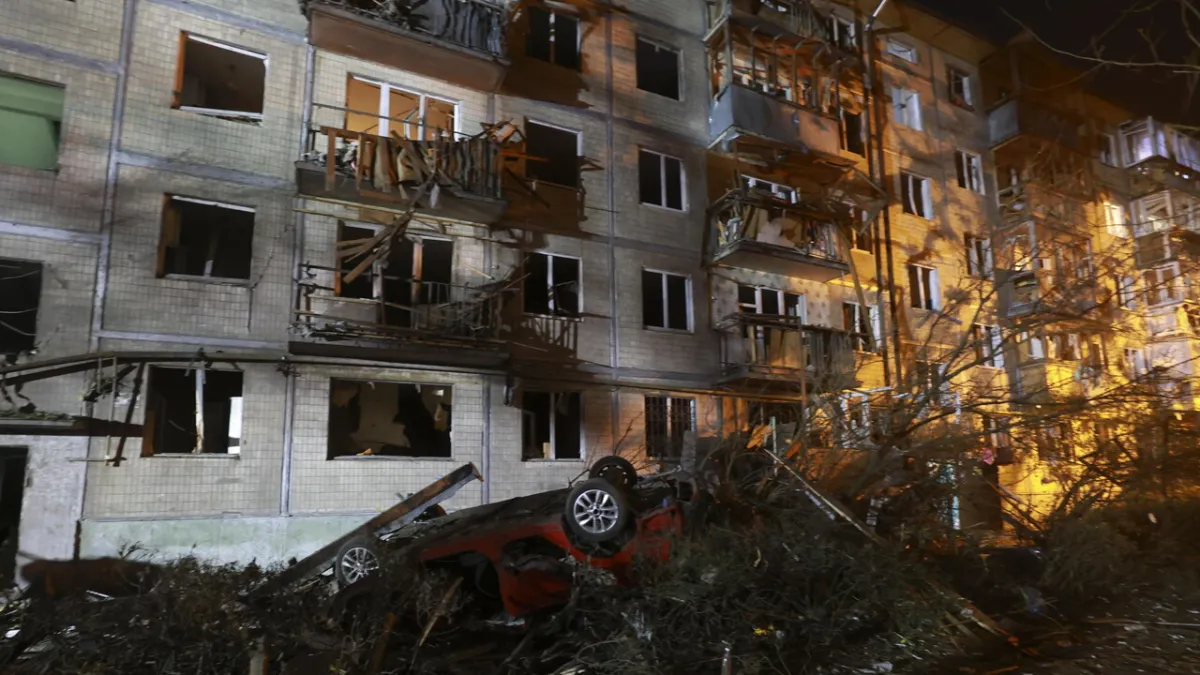
SARATOV — Tensions in Eastern Europe flared again on the second weekend of January 2026. Ukrainian drone attacks reportedly killed two civilians in Russia's Saratov region, prompting a strong retaliation from Moscow. The Russian military immediately launched a massive offensive, bombarding strategic Ukrainian ports and ships, adding to the long list of escalating conflicts.
The incident occurred sporadically throughout the night between Saturday and early Sunday, marking a significant increase in the frequency and intensity of cross-border attacks. The Russian Ministry of Defense claimed to have shot down 635 Ukrainian drones during this period, indicating the scale of the aerial threat faced.
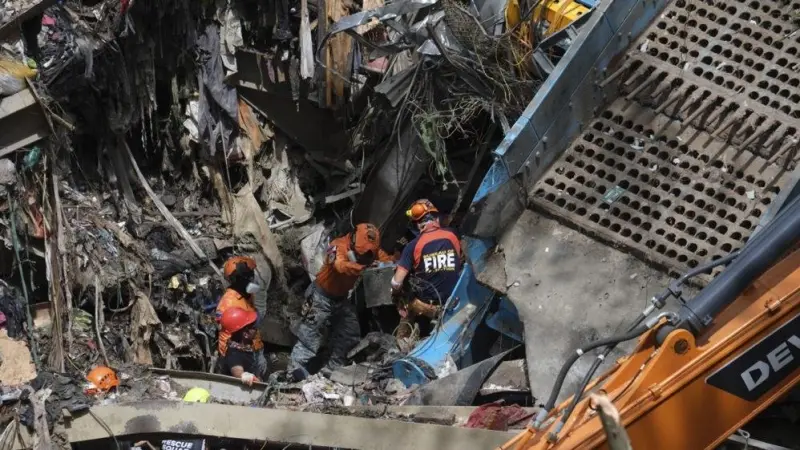
The tragedy in Saratov, a city located on the banks of the Volga River, serves as tangible evidence of the conflict's impact on civilians. The two victims died from falling drone fragments and explosions, causing deep sorrow for the local community and fueling public anger in Russia.
"This is an unacceptable act of terrorism," said Russian Foreign Ministry spokesperson Maria Zakharova in an official statement on Sunday morning. "We will take decisive action to protect our citizens and sovereign territory from any aggression."
In response, the Russian Navy, operating in the Black Sea and Sea of Azov, received orders to intensify operations. A number of high-precision missiles were launched, targeting vital infrastructure in several major Ukrainian ports, including Odesa and Mykolaiv, as well as fuel and ammunition storage facilities.
Military analyst from King’s College London, Dr. Stefan Wolff, argued that the Ukrainian drone attacks were an attempt to offset Russian air dominance and exert psychological pressure. "Ukraine is trying to show that it is capable of striking deep into Russian territory, albeit at a great cost," Wolff explained.
However, Wolff also highlighted the danger of broader escalation. "Any attack on civilian areas, regardless of intent, risks triggering a more brutal and inevitable cycle of retaliation, as we are seeing with Moscow's response to Ukrainian ports."
Reports from Kyiv indicate significant damage to port facilities. While claims regarding Ukrainian casualties are still under investigation, local authorities confirmed major disruptions to maritime and logistical activities, affecting grain exports and other commodities.
This incident adds to a long line of violence amidst stagnant diplomatic efforts. Since the full-scale invasion in 2022, the conflict has claimed thousands of lives and caused a severe humanitarian crisis, with millions of people displaced from their homes.
The administration of Russian President Vladimir Putin continues to assert that the special military operation will continue until all objectives are achieved. On the other hand, Ukrainian President Volodymyr Zelenskyy has vowed to reclaim every inch of occupied territory, rejecting any negotiations that compromise Ukraine's sovereignty.
The international community, including the UN and the European Union, immediately called for restraint. "We urge all parties to adhere to international humanitarian law and protect civilians from the impact of the conflict," said UN Secretary-General Antonio Guterres in his emergency address.
Similar tensions have occurred before. This conflict aligns with the pattern of escalation seen in the news "Russian Missile Wave Shakes Ukraine: Ten Lives Lost in Escalation" which highlights the impact of Russian missile attacks.
Furthermore, attacks on civilian facilities also recall earlier incidents, such as those recorded in the news "Horror in the Heart of Moscow: Devastating Explosion Near Luxury Restaurant Claims Three Lives", although with different contexts and perpetrators.
Political observers predict that without substantive diplomatic intervention and compromise from both sides, this cycle of violence will continue, with increasingly devastating consequences for the region and global stability.
The global economic impact is also unavoidable. Energy and food commodity prices are projected to remain volatile, burdening developing economies and exacerbating inflation worldwide throughout 2026.
With winter deepening, concerns about Europe's energy crisis are also resurfacing, amidst disruptions to Russian gas and oil supplies and increased demand due to the conflict.
This current situation underscores that a peaceful resolution remains out of reach, and civilians continue to bear the heaviest burden of unending geopolitical ambitions.