 Angel Doris
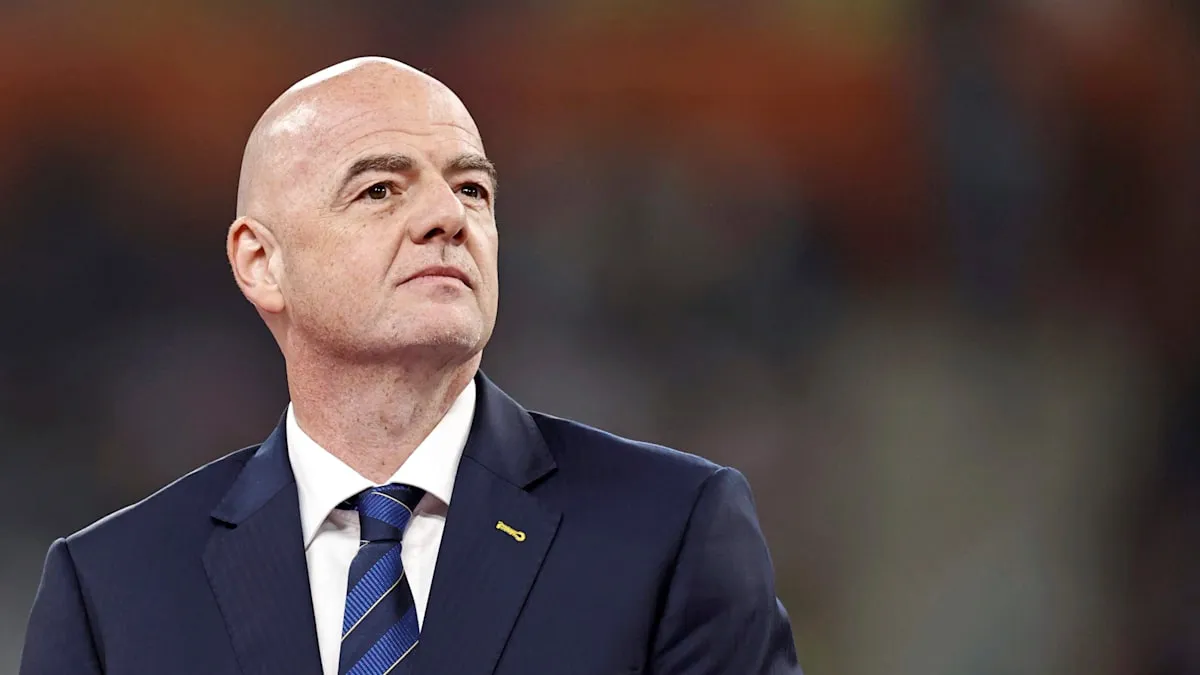
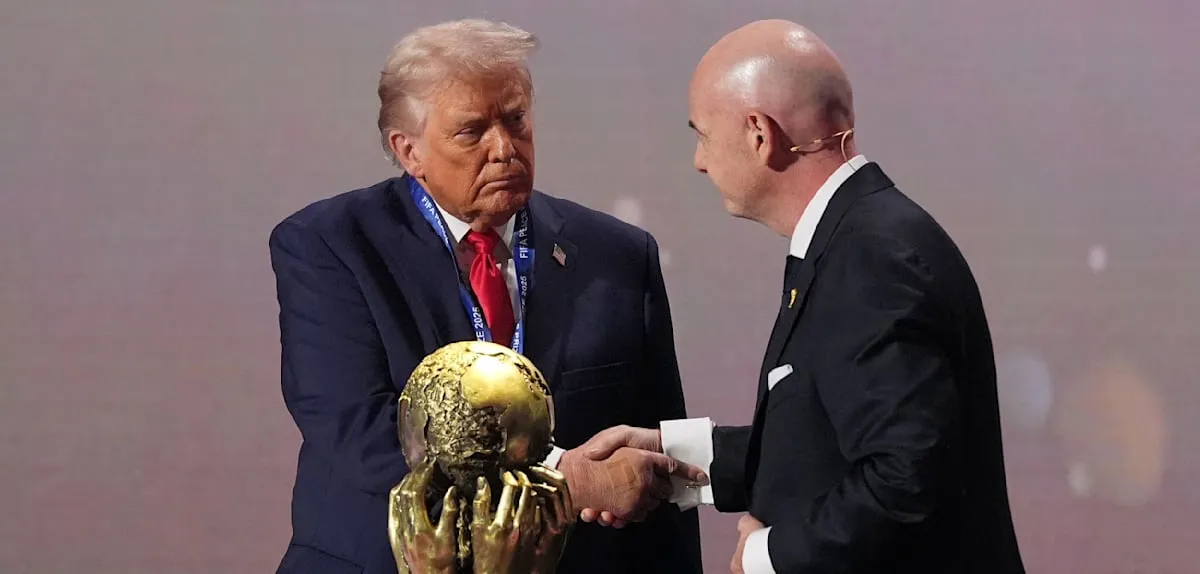
ZURICH — The International Federation of Association Football (FIFA) officially withdrew its ambitious global investment scheme for the World Cup in early 2026, following a wave of massive opposition from various member federations and stakeholders worldwide. FIFA President, Gianni Infantino, announced the cancellation of the proposal, affirming that the controversial multi-billion dollar project would not proceed.
This surprising decision came after months of fierce discussions and sharp criticism directed at FIFA's leadership. The proposed investment scheme, reportedly involving funds from a private investor consortium for global tournaments, had sparked serious concerns regarding transparency, control, and the potential for over-commercialization of football.
The wave of protests not only originated from European football federations, such as UEFA, but also from various regional confederations and player associations. They voiced concerns about the long-term impact of this project on the integrity of the sport, particularly regarding competition scheduling and fair profit distribution.
In a statement delivered from FIFA headquarters, Gianni Infantino explained the organization's stance. 'We will not proceed with this proposal. We have listened carefully to all feedback and concerns raised by the global football family,' he said, hinting at a new consensus after a prolonged stalemate.
The rejection of this plan represents a manifestation of growing demands for more democratic governance in football. Many parties believe that FIFA needs to be more transparent and involve stakeholders in making strategic decisions with broad impacts.
The cancellation of this project is seen as a significant victory for opponents who fought to preserve football's traditional values from commercial pressures. This decision has the potential to restore public trust in FIFA's commitment to sports development, rather than solely financial gain.
Infantino's retreat will also reshape FIFA's future strategic priorities. The organization is expected to focus more on grassroots development initiatives and ensure a more equitable distribution of resources, rather than pursuing giant investment schemes prone to criticism.
International football analyst, Dr. Emil Brandt from the University of Sports Munich, stated, 'This is a crucial moment for football. The pressure built by various federations demonstrates that collective power can influence policies at the highest level. This decision reaffirms the importance of open dialogue.'
This event recalls similar dynamics that occurred previously, such as when FIFA Canceled World Cup Share Sales: European Pressure Yields Results. This reinforces that pressure from regional confederations carries significant weight in directing FIFA policies.
Although one chapter of controversy has closed, significant challenges remain for FIFA in balancing financial needs with the aspirations of the global football community. This cancellation serves as a valuable lesson on the importance of listening to the collective voice in maintaining the sustainability and integrity of the world's most popular sport.