 Edward DP Situmorang
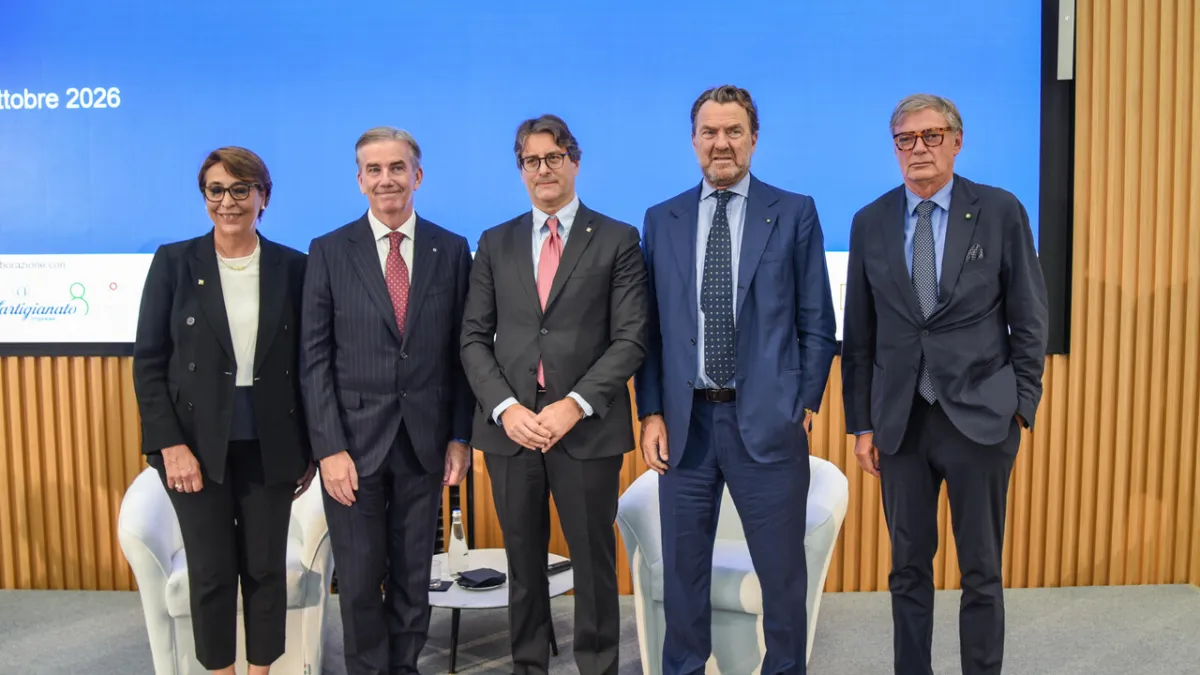
MILAN – Intesa Sanpaolo, one of Italy's largest financial institutions, officially announced a colossal 20 billion euro financing scheme dedicated to revitalizing the craft, commerce, and tourism sectors. This strategic initiative, launched in Milan, signifies a substantial commitment to support the backbone of the national economy, which has been impacted by various global challenges.
This ambitious plan is designed as a proactive response to the urgent needs of micro, small, and medium-sized enterprises (SMEs) that drive innovation and job creation. Such a significant fund is expected to act as a catalyst for growth, modernization, and enhanced competitiveness across these three vital sectors.
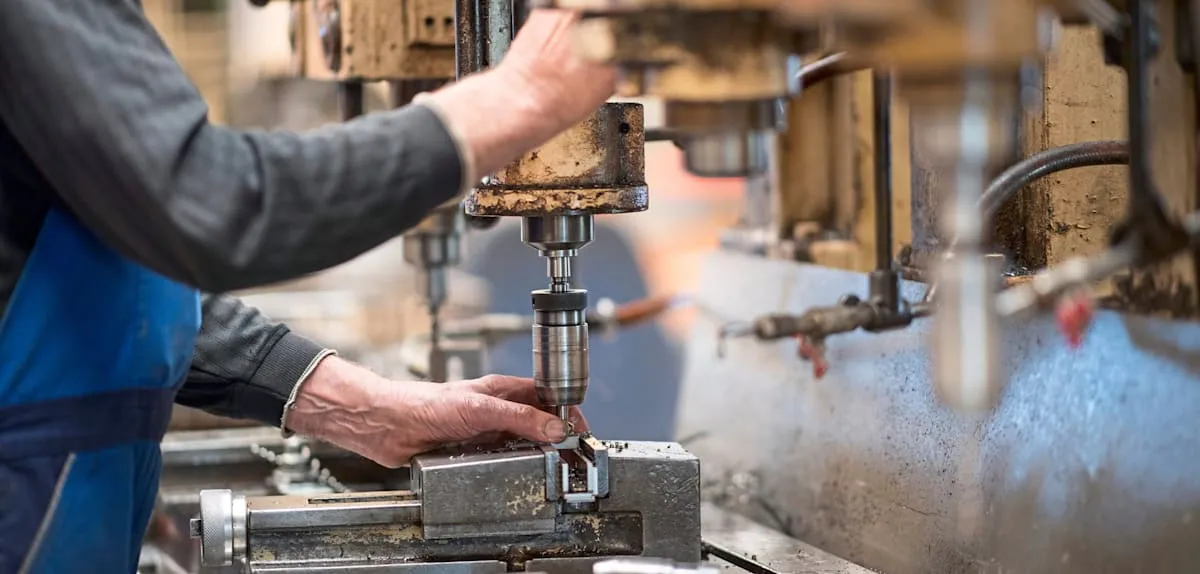
The craft sector, with its long tradition of Italian expertise and product quality, will receive capital injections to preserve cultural heritage while fostering innovation. This investment targets individual artisans up to small industrial scale, helping them adapt to contemporary market trends.
Similarly, the commerce sector, encompassing retail and distribution, will gain support for digital transformation and market reach expansion. This is crucial given evolving consumer behavior and the dominance of online platforms in recent years.
Tourism, a cornerstone of Italy's economy, is also a primary focus. With a global reputation for natural beauty, art, and culture, this sector requires continuous investment in infrastructure, services, and promotion to attract more visitors and extend their stays.
The implementation of this program will not proceed in isolation. Intesa Sanpaolo is collaborating closely with leading industry associations such as Confcommercio, Federalberghi, and Confartigianato. This partnership ensures that the financing plan aligns with the real needs of businesses on the ground and can be effectively implemented.
Confcommercio, as the largest confederation for trade, tourism, and services, will play a role in identifying needs and disseminating information. Federalberghi, the hotel association, will focus on optimizing the tourism industry, while Confartigianato will support the development of the craft sector.
Intesa Sanpaolo's move comes amidst intensive discussions regarding the general economic conditions in Europe. Several countries are facing serious challenges; for instance, Germany's Economy Falters: SME Investment Plummets to Two-Decade Low! highlights the crucial need for stimulus in the SME sector. Italy, with this initiative, aims to underscore its resilience.
The long-term impact of this capital injection is projected to be multifaceted, including job creation, enhanced digital capabilities for SMEs, and the strengthening of the 'Made in Italy' brand in global markets. The program is also expected to reduce regional economic disparities through equitable investment.
Intesa Sanpaolo's leadership stated, We are fully committed to being a driving force for Italy's economic recovery and growth. This 20 billion euro plan is an investment in the country's future, particularly for entrepreneurs and workers in the vital sectors that define our identity. This statement reaffirms the bank's vision to contribute beyond traditional banking functions.
Economic analysts have positively welcomed this initiative, viewing it as a strategic step to reinforce Italy's economic foundations post-pandemic and amidst geopolitical fluctuations. Focusing on traditional yet adaptable sectors is considered key to success.
This is more than just financial aid; it is a comprehensive plan encompassing mentorship, training, and access to new technologies. The objective is to empower businesses to be more innovative and competitive on the global stage.
This initiative also has the potential to encourage other banks or financial institutions in Europe to follow suit, recognizing the importance of targeted investments in specific sectors that have a dual impact on macroeconomics and social welfare.
Editorial Insight: Intesa Sanpaolo's 20 billion euro initiative is not merely a capital injection but a strong statement of confidence in Italy's economic potential, particularly within the craft, commerce, and tourism sectors. This move, leveraging partnerships with industry associations, demonstrates a deep understanding of the SME ecosystem and their real needs. Its success will heavily depend on the efficiency of fund disbursement, transparency, and the SMEs' ability to adapt innovation. If successful, this could serve as a model for other European nations in addressing contemporary economic challenges, while reaffirming Italy's position as a resilient and adaptable economic power.