 Dodi Irawan
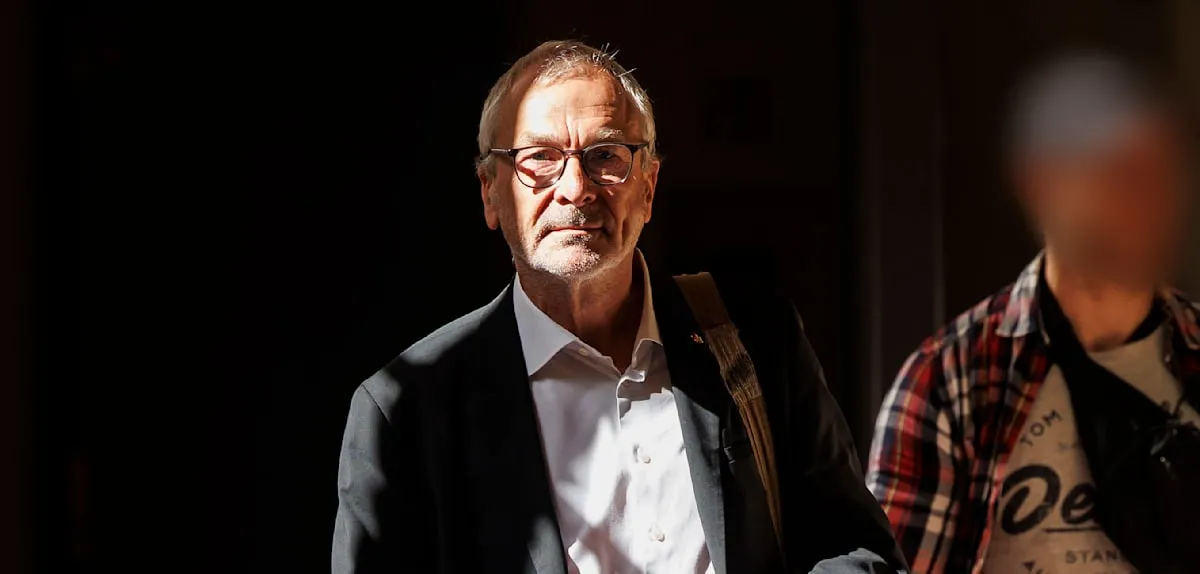
BERLIN – A court in Germany has denied Volker Beck, a prominent politician, co-plaintiff status in the trial against the alleged perpetrators of an assassination plot orchestrated by Iran. This decision, announced in 2026, surprised many given that Beck and his family still feel the traumatic impact of the foiled attack. The denial raises significant questions about victim rights in sensitive international cases.
Volker Beck, a former federal parliament member from the Green Party, was the target in a scheme claimed to be an assassination attempt by agents affiliated with the Iranian state. The incident was foiled by German authorities some time ago, but left deep scars on Beck and his associates. This event adds to Germany's growing concerns about foreign intelligence activities within its borders.
'The consequences of the foiled assassination attempt are still felt by me and my family to this day,' said Beck, expressing his distress. This statement underscores the seriousness of the threat he faced and how psychological trauma and a sense of insecurity continue to haunt him, even years later.
Despite the court acknowledging the assassination attempt and its impact, the decision to deny Beck co-plaintiff status was based on legal considerations not detailed in the initial reports. This indicates that legal procedures in Germany have strict limits on who can be granted co-plaintiff status, regardless of the suffering experienced.
Co-plaintiff status typically grants victims the right to actively participate in the trial, including questioning witnesses and submitting additional evidence. This denial means Beck cannot directly influence the proceedings but can only observe as a witness or interested party. This limits his capacity to personally seek justice.
This case once again highlights tensions between Germany and Iran, particularly regarding Tehran's alleged involvement in activities that threaten national security on European soil. Several previous incidents have also sparked concern among the German government and intelligence.
Such incidents are not merely domestic issues; they also have serious implications for international law and conventions protecting individuals from state-sponsored terrorism. The court's decision may set a precedent for handling similar cases in the future.
This court decision has sparked debate among human rights activists and legal practitioners about the balance between strict legal procedures and the rights of victims of serious crimes. Many argue that victims should be given every opportunity to seek justice.
Despite the denial of his status, Volker Beck is expected to continue monitoring the trial and seek other ways to voice his suffering. Close sources indicate that he may pursue other legal avenues or intensify public campaigns on this issue.
Issues involving Iranian citizens in Germany frequently draw attention, as previously discussed in the article 'Mystery of Iranian Refugee Death Rocks German Shelter'. That article highlighted the complexity of interactions and challenges faced by the Iranian community in the country. Mystery of Iranian Refugee Death Rocks German Shelter demonstrates that the dynamics between the two countries have various dimensions.
The Volker Beck case once again affirms that cross-border crimes, especially those involving state actors, present unique challenges to national judicial systems. Collective efforts are needed to ensure that victims receive appropriate protection and justice.
Editorial Insight:
The denial of co-plaintiff status for Volker Beck in an assassination plot case that clearly threatened his life raises serious doubts about the legal system's ability to fully accommodate victim rights in the context of international political crimes. While judicial independence must be respected, there is an urgent need to re-examine how victims of transnational crimes, especially those with potential geopolitical implications, can gain a more substantive role in legal processes. This decision could potentially send the wrong signal to perpetrators of similar crimes that their victims may not be fully heard in court.