 Chandra Wijayanto
TEHRAN — The Iranian government has unequivocally denied any ongoing negotiations with the United States, rejecting Washington's claims of diplomatic efforts amidst heightened regional tensions. This statement comes just one day after US President Joe Biden revealed a suspension of military strikes against Iran, citing pressure from Gulf allies to reach an agreement concerning the Strait of Hormuz in 2026.
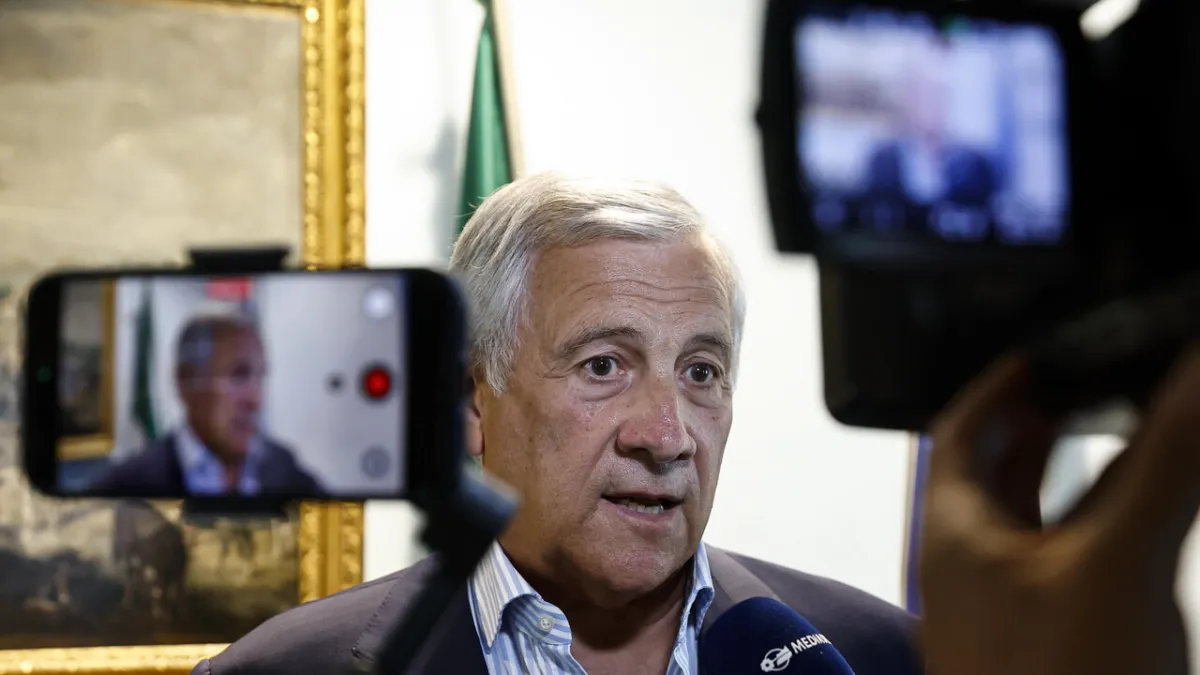
Iran's Ministry of Foreign Affairs, through its spokesperson, stated that no official or informal dialogue is currently underway between the two nations. This rejection underscores Tehran's consistent skepticism towards Washington's negotiation offers, especially while economic sanctions and military threats remain in place.
This situation further complicates the geopolitical dynamics in the Gulf region, particularly following President Biden's postponement of planned airstrikes. Biden's decision to delay military action, according to media reports, was heavily influenced by the urging of Gulf states desiring stability and a diplomatic path to de-escalate the crisis.
International political analysts observe that the United States' position is becoming precarious. On one hand, Washington aims to project strength and resolve, yet on the other, it must consider the interests of its regional allies who heavily rely on the security of vital shipping lanes in the Strait of Hormuz.
The Strait of Hormuz, as a major artery for global oil trade, remains an unavoidable strategic point in every geopolitical calculation. Any escalation in this area has the potential to trigger global oil price volatility and disrupt global energy supply chains.
Pressure from Gulf allies, such as Saudi Arabia and the United Arab Emirates, is reported to be highly intensive. They fear that an open conflict between the United States and Iran would inflict severe negative impacts on the region's economy and security. Mediation efforts and calls for peaceful dialogue are a priority for these nations.
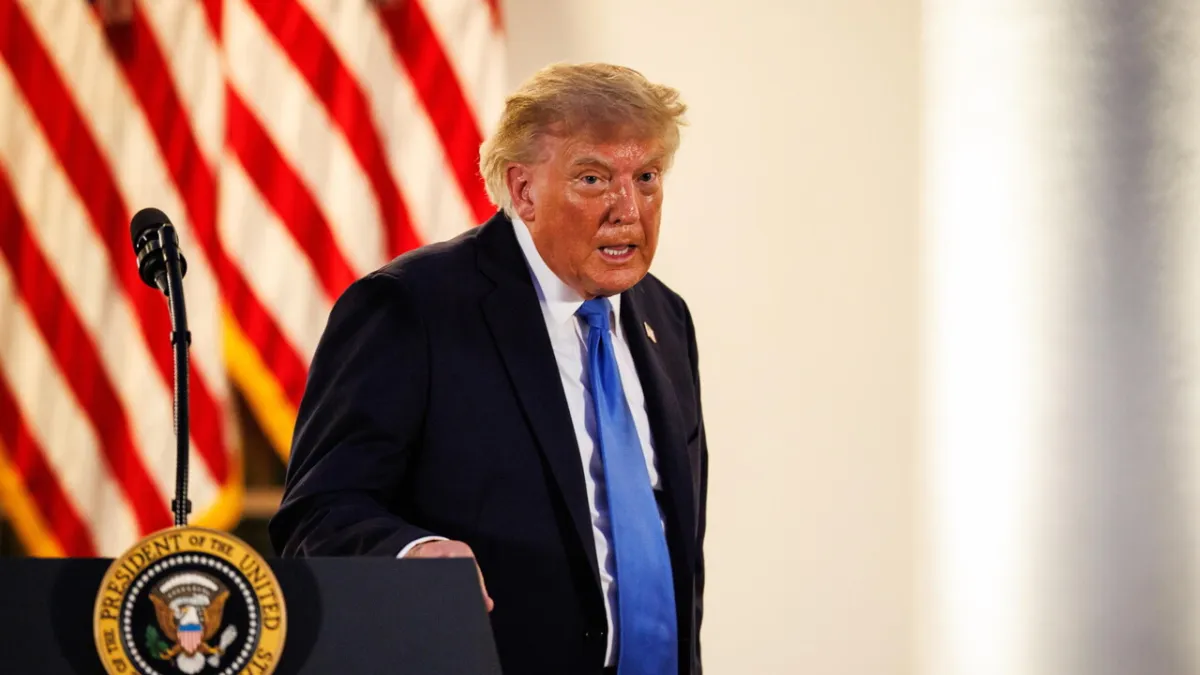
Previously, in prior years, similar dynamics have also occurred. The cancellation of strikes by former US President Donald Trump also shook geopolitical strategy and raised questions about the direction of Washington's foreign policy. This indicates a recurring pattern in dealing with Iran.
There was even speculation regarding the possibility of Iran returning to nuclear negotiations if diplomatic and economic pressure continued. However, Tehran appears steadfast, firmly stating it will not succumb to external pressure.
Diplomats from the European Union and several Asian countries continue to seek avenues to reconcile both parties. Back-channel communications and indirect dialogues may be the only hope to prevent a larger escalation in 2026.
Nevertheless, with Tehran's explicit rejection, the prospect of direct negotiations appears increasingly remote. The geopolitical hot potato now rests in the hands of the United States and its allies, demanding a more careful strategy and deeper diplomacy to ease tensions in and around the Strait of Hormuz.