 Demian Sahputra
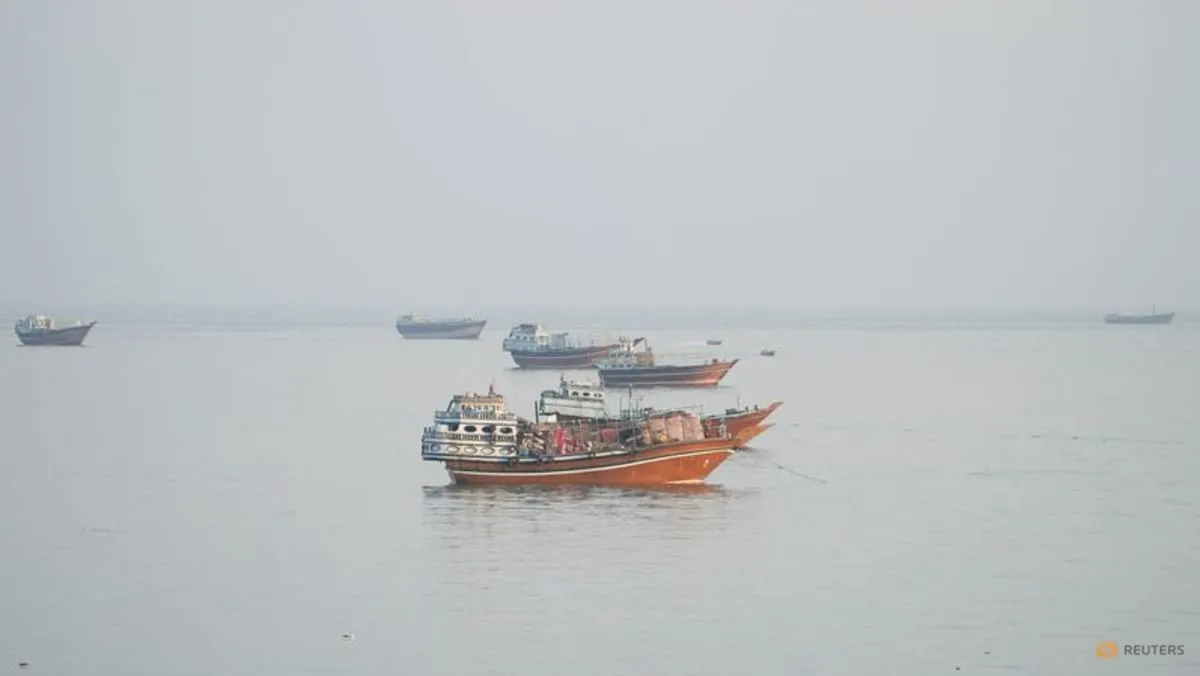
TEHRAN – The Iranian government officially announced it is considering a crucial two-day plan to reopen the Strait of Hormuz. This strategic move, if materialized, holds significant potential to ease geopolitical tensions and stabilize global energy markets, which have been volatile due to threats and speculations concerning one of the world's most vital shipping lanes.
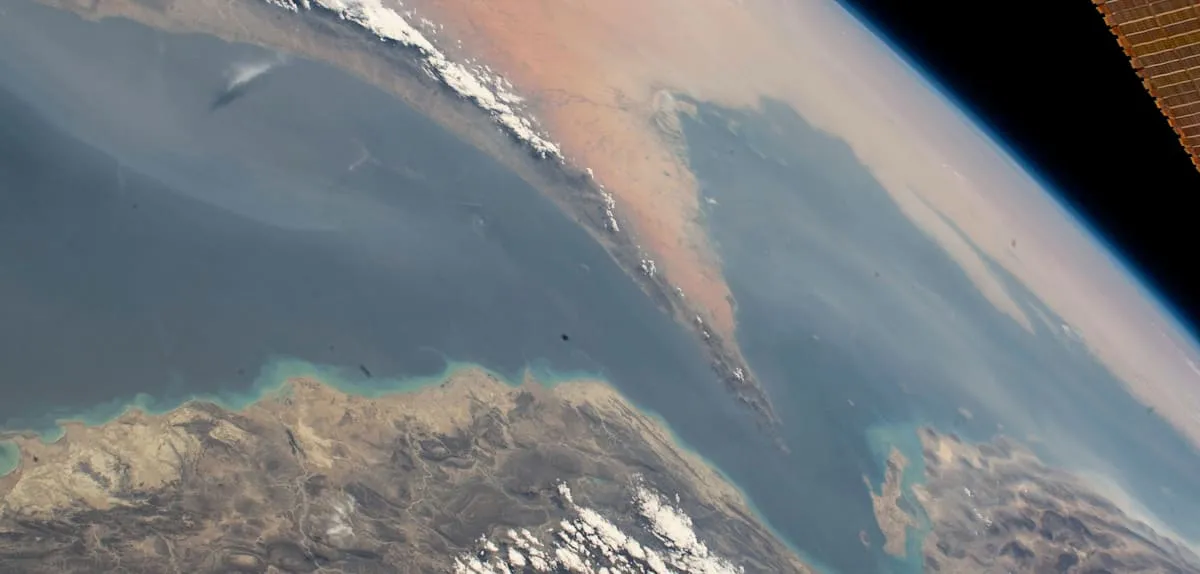
This announcement follows a prolonged period of uncertainty and fluctuations in international crude oil prices. The Strait of Hormuz, a narrow passage connecting the Persian Gulf with the Gulf of Oman, serves as a critical artery for a substantial portion of the world's oil and liquefied natural gas (LNG) supplies. An estimated 20 to 30 percent of global oil trade passes through these waters daily.
A statement from Iran's Foreign Ministry emphasized that the decision to reopen the strait is part of regional de-escalation efforts, while asserting Iran's sovereign rights over navigation in its waters. Specific details regarding this 'two-day plan' are yet to be published, but it is expected to involve coordination with relevant parties to ensure shipping security.
Historically, the Strait of Hormuz has frequently been a geopolitical flashpoint. Various incidents, ranging from tanker seizures to threats of closure, have repeatedly sparked global concerns and impacted energy commodity prices. In the context of 2026, with its complex regional dynamics, every movement in Hormuz carries significant implications.
The reopening of the strait could be perceived as a positive signal from Tehran to engage more constructively with the international community, particularly on energy issues. This might serve as a catalyst for broader diplomatic efforts across the Middle East.
Global oil markets reacted cautiously to the news. While the potential for more stable supply could exert downward pressure on prices, energy analysts remain vigilant. Long-term stability largely depends on the plan's implementation and the commitment of all parties to maintaining secure navigation.
Geopolitical observers note that Iran's initiative might also aim to alleviate domestic economic pressures faced by the nation, hoping to facilitate smoother trade flows and investment.
It is crucial to highlight that stability in the Strait of Hormuz not only affects oil prices but also has implications for shipping logistics and insurance. Insurance premiums for vessels traversing this route often surge during heightened tensions, adding to the burden on global supply chains.
Key energy-consuming nations such as China, India, Japan, and European countries have expressed their hopes for the Strait of Hormuz to remain open and secure. International reactions to Iran's announcement are expected to vary, from cautious welcome to demands for more concrete security guarantees.
This two-day plan likely includes transitional measures to ensure smooth and secure operations. It may involve several key aspects:
- Establishment of safe shipping corridors.
- Enhanced coordination among regional maritime authorities.
- Dialogue with Gulf states to build trust.
The successful reopening of the Strait of Hormuz could set an important precedent for resolving other regional conflicts and demonstrate that channels of communication, however challenging, remain open. It also serves as a test of regional diplomatic capacity in addressing intricate geopolitical challenges.
Editorial Insight: Iran's consideration of reopening the Strait of Hormuz is a significant development worthy of close attention. It is not merely a matter of shipping logistics but a reflection of power dynamics and diplomacy in the Middle East. If successful, this move has considerable potential to mitigate energy market volatility and pave the way for more substantive regional dialogue. However, the challenge lies in sustaining a long-term commitment to stability amidst an ever-volatile geopolitical landscape. The world will be watching whether these intentions can withstand the complex tests of political and economic realities.