 Debby Wijaya
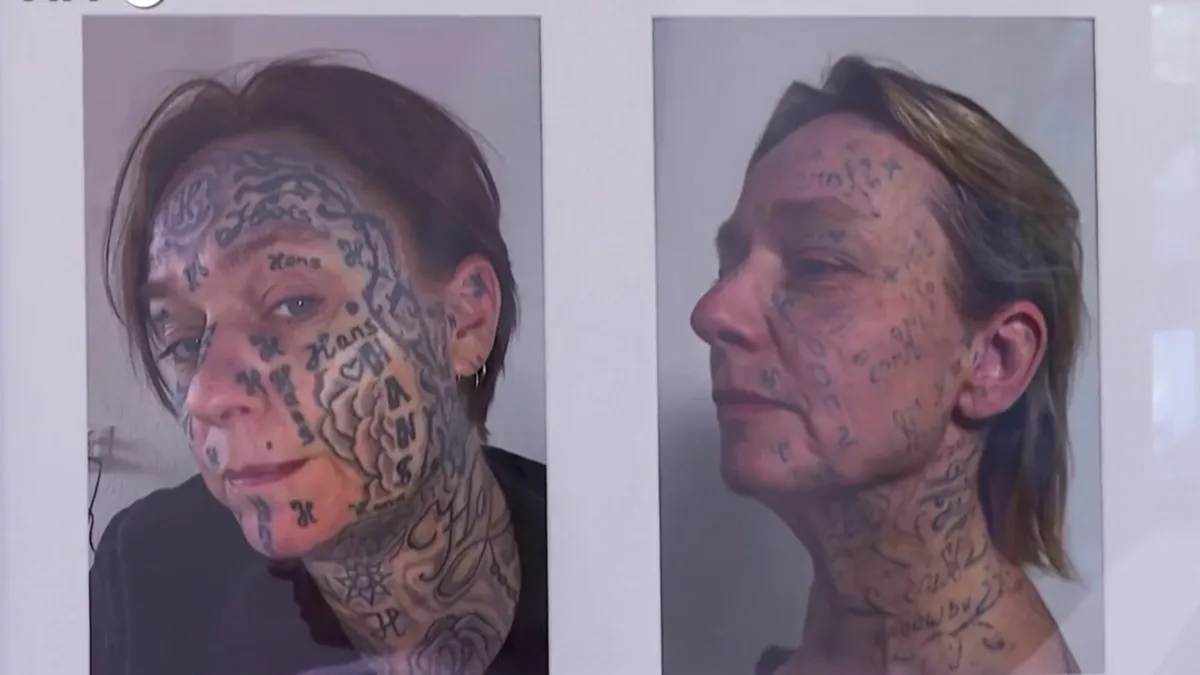
AMSTERDAM — Amidst global efforts to combat domestic violence, victims in the Netherlands are now finding a glimmer of hope. A humanitarian initiative launched by the “Spijt van Tattoo” foundation offers a free tattoo removal program for women forced to bear marks by abusive partners or ex-partners. This program serves as a crucial bridge towards psychological and physical recovery for survivors of violence, helping them reclaim autonomy over their bodies.
Forced tattoos are often more than just images on the skin; they are physical manifestations of control, domination, and the deep trauma experienced by victims. Many women subjected to emotional and physical abuse are compelled to engrave names, symbols, or even demeaning messages that serve as constant reminders of their suffering. These permanent marks continue to haunt them, even after the abusive relationship ends, hindering their healing process.
The Spijt van Tattoo foundation, which translates to “Regret of Tattoo” in English, stands as a beacon of hope. This non-profit organization is committed to helping individuals suffering from unwanted tattoos, especially those who were forced into getting tattoos due to violent circumstances. Through advanced laser treatments, the foundation provides free tattoo removal services, alleviating the financial burden that often hinders victims.
“Every forced tattoo is a dark chapter in someone's life. We want to help them close that chapter, not only from their skin but also from their traumatic memories,” said Anna ter Haar, Program Director of Spijt van Tattoo, in an interview in early 2026. “This is not just about aesthetics; it is about reclaiming their identity, dignity, and freedom.”
The psychological impact of forced tattoos cannot be underestimated. Victims often report feelings of shame, helplessness, and difficulty rebuilding a normal life. Tattoos that serve as ‘marks’ from toxic relationships constantly trigger traumatic memories, exacerbating post-traumatic stress disorder (PTSD) and anxiety.
This initiative in the Netherlands has received widespread appreciation from various human rights organizations and women's protection agencies. They view this program as a concrete step in supporting the holistic recovery of violence survivors. It complements other efforts focused on legal, psychological, and shelter support.
The laser tattoo removal process, while effective, requires several sessions and can cause discomfort. However, for the victims, the cost and potential discomfort are outweighed by the relief gained. They see it as an investment in a future free from the shadows of a painful past.
Since its launch, the program has helped dozens of women in various Dutch cities to begin their healing journey. Their stories of courage and resilience serve as an inspiration, encouraging more victims to come forward and seek available help and support.
Spijt van Tattoo's action underscores the importance of addressing often-overlooked aspects of violence. It is not only about visible physical wounds but also about ingrained emotional scars, and how society can actively participate in helping victims reclaim a dignified and free life.
The Dutch government and relevant institutions are expected to continue supporting such initiatives, expanding the reach of services so that more victims of domestic violence can access assistance. With strong solidarity and support, survivors can truly break free from the shackles of the past and look towards the future with new hope.