 Robert Andrison
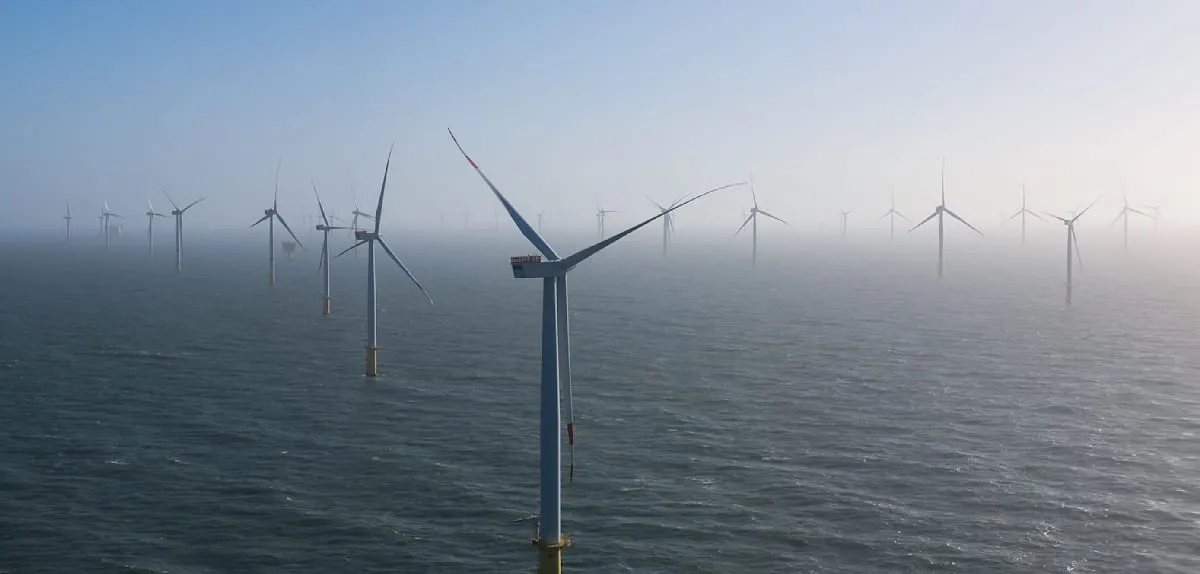
BERLIN — The upcoming winter in Germany is projected to be a costly and challenging period. The escalating conflict in the Middle East, particularly involving Iran, has triggered a surge in global oil and gas prices, threatening a resurgence of inflation that will heavily burden the economy and households. This situation is further compounded by the irony that the sector intended to liberate Germany from fossil fuel dependence, namely the green energy transition, is itself facing serious hurdles, including the prohibitive cost of wind energy.
The Middle East arena is once again in turmoil with alarming intensity. Recent intelligence reports indicate that the Iran conflict has the potential to spread into a regional conflagration, creating profound uncertainty in global commodity markets. This geopolitical upheaval has directly driven up crude oil and natural gas prices on international exchanges, sparking serious concerns about the return of inflationary pressures that once plagued the world.
The German government faces a complex dilemma. On one hand, the commitment to renewable energy is a pillar of long-term policy for energy independence and climate change mitigation. However, on the other hand, the wind energy sector, which is the backbone of the green transition, is reportedly experiencing significant cost overruns, making it “uneconomical” or “unbezahlbar” at certain scales.
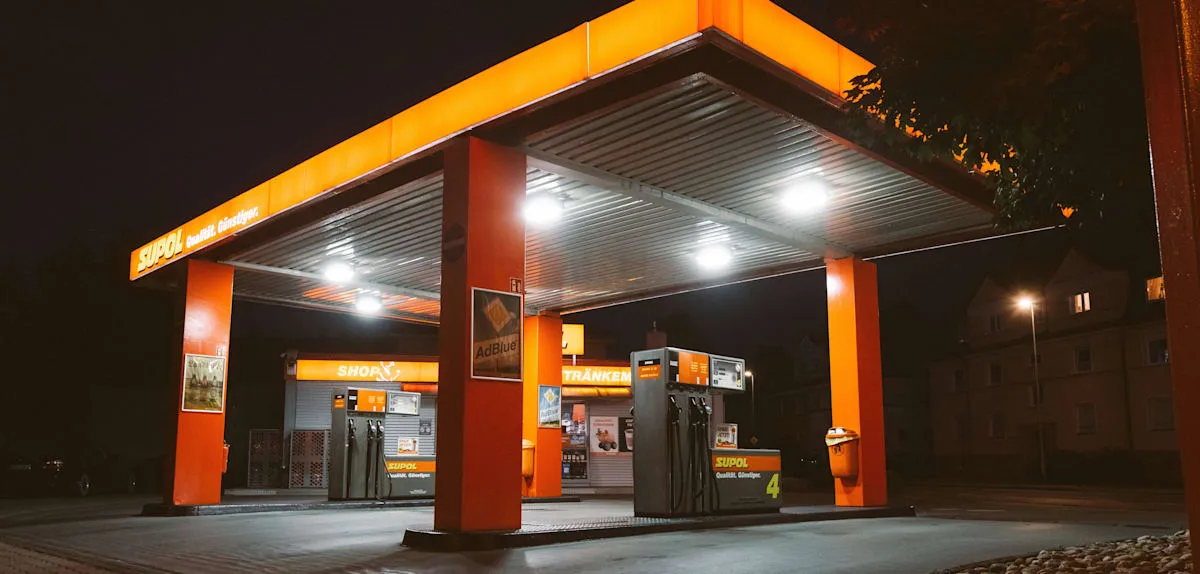
Gas supply limitations also remain a persistent specter for industries and consumers in Germany. Following previous energy crises, efforts to diversify sources have been made, but dependence on gas remains very high, especially for household heating and heavy industrial operations. The conflict in Iran exacerbates the supply outlook, creating a “gas bottleneck” or shortage that could be crippling.
This surge in energy commodity prices does not only impact household electricity and heating bills. The domino effect of inflation is expected to spread to other sectors, ranging from industrial production costs, transportation prices, to food prices. The purchasing power of the public is threatened, presenting significant socio-economic challenges.
Economic analysts in Frankfurt warn that if this trend continues, central banks will likely again face pressure to raise interest rates. This step, although aimed at controlling inflation, could also hinder economic growth and trigger recession fears. This impact will certainly be felt across the European Union.
Ironically, Germany is one of the most vocal nations in advancing the global clean energy agenda. However, internal challenges related to the implementation of renewable energy projects, coupled with external turmoil in energy markets, place the country in a vulnerable position. A recent study even shows the potential for gas heating costs to double in the coming decade.
Dependence on energy imports, especially gas from various sources, remains a reality for Germany. The war in Ukraine previously forced Germany to drastically revise its energy strategy, reducing its reliance on Russia. Now, however, the conflict in the Middle East presents a new, equally serious threat, testing the resilience of the national energy strategy.
Industry leaders in Munich voiced their concerns about the prospect of an expensive winter. Soaring energy costs could reduce the competitiveness of German companies in global markets and force some sectors to reduce production or postpone investments. This could trigger a wave of layoffs and a general economic slowdown.
Amidst this uncertainty, calls to accelerate investment in more efficient and affordable renewable energy technologies are growing louder. However, this process takes time, and its effects may not be quick enough to alleviate the price pressures expected in the coming months. Conflicts such as Iran threatening the US military continue to add global tension.
With winter 2026 fast approaching, the German government must prepare comprehensive mitigation measures. These include protection for vulnerable households, support for the industrial sector, and active diplomacy to de-escalate geopolitical tensions that are at the root of the main problem. Germany's energy resilience is now being tested amidst a complex global storm.
The threat of inflation fueled by this energy crisis is not mere speculation. Consumers across Germany may have to prepare for significant increases in expenditure, from heating costs to the prices of daily necessities. The government needs to communicate this situation transparently and prepare effective aid schemes for the public.
BRUSSELS, as the hub of European Union policy, will likely also feel the impact. An energy crisis in one of its largest member states could create pressure on regional energy markets and hinder the EU's collective efforts to achieve its climate targets. Solidarity and coordination among member states will be key to navigating this difficult period.
Energy policy experts suggest that Germany continue to explore all options, including importing liquefied natural gas (LNG) from stable sources, while simultaneously investing in green energy infrastructure. The balance between short-term needs and a long-term vision will be crucial. Germany's energy future depends on a swift and adaptive response to this global crisis.